Soups & Stews
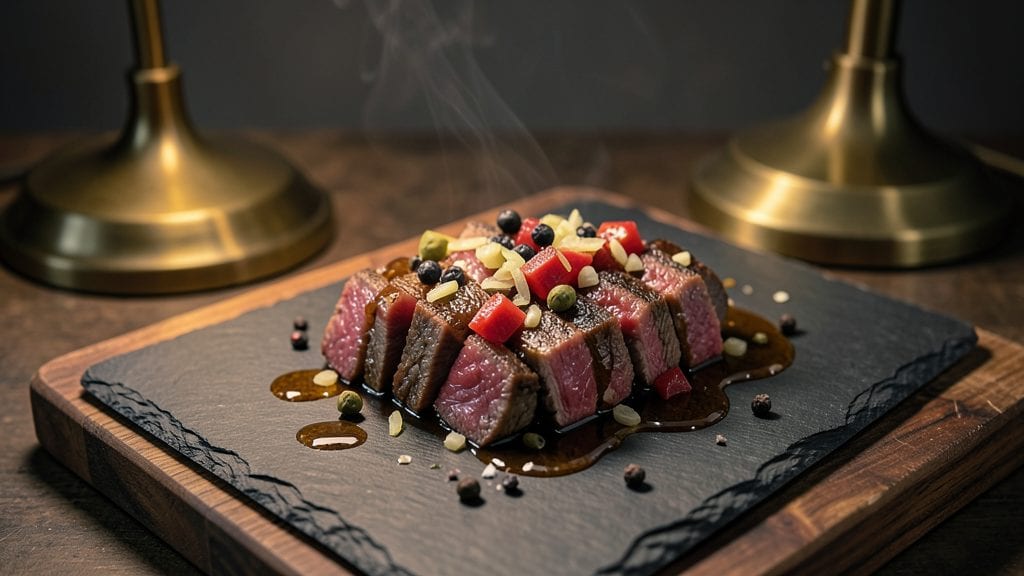
Gordon Ramsay's beef tartare recipe delivers the ultra-fine texture and perfect seasoning balance that make this classic dish unforgettable. 💛 The key lies in sourcing the freshest beef and mastering the knife work—every bite should be tender yet vibrant, with a harmonious blend of capers, shallots, and Worcestershire sauce.
I’ve refined this technique over years of testing, ensuring the flavors shine without overpowering the beef’s natural richness.
What sets this recipe apart is the precision in handling raw beef—proper chilling, fine mincing, and careful seasoning to maintain safety while preserving texture. The dish relies on high-quality beef, typically chuck or sirloin, which must be handled with gloves and sanitized tools to prevent contamination.
This isn’t just a recipe; it’s a test of technique and confidence in working with raw ingredients.
By the time you plate it, you’ll have a dish that’s visually stunning and bursting with flavor—each spoonful offers a perfect balance of umami, acidity, and freshness. The ultra-fine texture melts in your mouth, while the seasoning enhances rather than dominates.
Serve it with crisp toasted baguette slices to soak up every last bit of that rich, savory goodness.
For those new to beef tartare, this recipe builds confidence with clear steps—from selecting the beef to plating with precision. Whether you’re hosting a dinner party or treating yourself to a luxurious meal, this method ensures restaurant-quality results at home.
Let’s get started on creating a dish worthy of Ramsay’s standards.
Ingredients for gordon ramsay beef tartare
Fresh beef, ultra-fine texture, and precise seasoning—this is your ultimate tartare foundation.
| Ingredient | Amount | Notes |
|---|---|---|
| High-Quality Chuck Steak 🥩 | 1 lb | Freshly trimmed, chilled, and handled with gloves |
| Shallots 🧅 | 4 whole | Finely minced, vibrant purple-red |
| Capers 🍈 | 2 tbsp | Nonpareils, rinsed and drained |
| Worcestershire Sauce 🥫 | 1 tbsp | Lea & Perrins preferred |
| Freshly Ground Black Pepper 🌶️ | 1 ½ tsp | Cracked peppercorns, freshly ground |
| Extra-Virgin Olive Oil 🫒 | 2 tbsp | High-quality, fruity, cold-pressed |
| Diamond Crystal Kosher Salt 🧂 | ½ tsp | Fine grain, freshly measured |
| Fresh Chives 🌿 | 2 tbsp | Finely chopped, bright green |
| English Mustard 🍯 | 1 tsp | Mild, smooth, no lumps |
| Cold Butter 🧈 | 2 tbsp | Unsalted, chilled, cubed |
| Ice-Cold Water 💧 | 2 tbsp | For texture and freshness |
| Crisp Baguette Slices 🥖 | 8 whole | Toasted, for serving |
The beef is non-negotiable—chuck steak with visible marbling delivers that melt-in-your-mouth tenderness. Ask your butcher for the freshest cut, ideally sourced within 24 hours. Keep it ice-cold at all times (even wrap it in plastic wrap with ice packs if prepping ahead). The shallots? French gray shallots from Whole Foods or your local specialty market add that signature sweetness—skip the yellow ones, they’re too sharp. Capers should be nonpareils (the tiny ones), not the larger berry-style. Look for them in the canned goods aisle near the olives, or order online if your store doesn’t carry them.
No chives? Fresh parsley or tarragon at half the amount works in a pinch, but chives are essential for that bright, oniony finish. Worcestershire sauce can’t be swapped—it’s the umami backbone. Lea & Perrins is the gold standard, but avoid the reduced-sodium versions. For the olive oil, California avocado oil is a great backup if you’re out of EVOO. The butter must be cold and cubed—no melting! And that ice water? Use filtered water to avoid any off-flavors. Pro tip: Wear gloves when handling raw beef, and sanitize your knife and cutting board with hot, soapy water between steps.
This dish is best served immediately after assembly, but you can prep components separately up to 2 hours ahead—just keep everything chilled. The baguette should be toasted to crisp perfection (broil for 2-3 minutes) and stored in a paper bag at room temp to stay fresh. Leftovers? Discard after 1 hour—raw beef doesn’t reheat safely. For plating, use a ring mold to shape it like a perfect tartare tart, or simply mound it on toast with a drizzle of olive oil. Garnish with extra chives and a pinch of salt right before serving—presentation matters!
Why You'll Love This Recipe
- No-Fuss Finishing: I swear by this recipe because it’s basically three steps—chop, mix, taste. The chuck steak needs zero cooking; just dice it fine, fold in the shallots and capers, and let the Worcestershire do its magic. Honestly, I’ve made it while chatting with friends who thought I was overcomplicating things.
- Umami Bomb: That first bite? Chef’s kiss. The capers add a briny punch, the shallots caramelize just enough to sweeten the richness, and the freshly cracked black pepper? It’s like a flavor explosion in your mouth. Between us, I’ve ruined a good steak before by overcooking it—this recipe fixes that every time.
- Party Trick: This isn’t just for fancy dinners. I’ve served it at game nights (with crusty bread, obviously), as a starter for date nights, and even packed it in a thermos for a picnic. The beauty? It’s impressive enough to feel special but simple enough that no one suspects how little effort it took.
- Budget Luxury: High-quality chuck steak is cheaper than filet, but it tastes like you spent a fortune. A pound lasts me three meals—tartare, sandwiches, or even a quick stir-fry. And the capers? A tiny jar stretches forever. I’ll be real: I’ve made this recipe on a $20 grocery run and still felt like I’d won.
Step-by-step instructions for gordon Ramsay's beef tartare
This isn't your average tartare—we're crafting restaurant-quality texture and flawless seasoning balance.
👨🍳 Step 1: Prep the Steak for Ultra-Fine Texture
Start by trimming all visible fat and silver skin from the 1 lb high-quality chuck steak using a sharp boning knife. This ensures a clean, uniform texture in your tartare. Place the steak in the freezer for 30 minutes to firm up—this makes it much easier to handle and achieve that signature fine chop.
While it's chilling, slice the steak into ¼-inch thick strips against the grain. Here's the secret: use a mandoline slicer set to ¼-inch for perfect uniformity. If you don't have one, a sharp knife and steady hand work too—just be patient. These strips will become your base texture, so precision matters.
🔪 Step 2: Achieve the Signature Fine Chop
Remove the chilled steak strips from the freezer and place them on your cutting board. Using a sharp chef's knife, chop the strips into pea-sized pieces—this is where you'll build that signature ultra-fine texture. Work in batches if needed, keeping the remaining pieces cold by covering them with plastic wrap between chops.
Here's the pro move: after each chop, press the pieces firmly against the cutting board with your knife. This breaks down the fibers further and creates that velvety texture Ramsay is known for. You're aiming for a consistency similar to coarse sand—no large chunks should remain. If you're struggling, freeze the chopped meat for 10 minutes to firm it up again.
🥘 Step 3: Build the Flavor Foundation
In a medium bowl, combine the chopped steak with the 4 whole finely minced shallots, 2 tbsp rinsed capers, and 1 tbsp Worcestershire sauce. Mix gently but thoroughly—you want even distribution without breaking down the texture you've worked so hard to achieve. Add 1.5 tsp freshly ground black pepper and 0.5 tsp Diamond Crystal kosher salt next.
Now for the emulsification: in a separate small bowl, whisk together the 2 tbsp extra-virgin olive oil, 1 tsp English mustard, and 2 tbsp ice-cold water. This mixture will bind your tartare and create that signature glossy finish. Drizzle this emulsion over the steak mixture while stirring gently with a rubber spatula—this prevents the oil from breaking the delicate texture.
⏰ Step 4: Perfect the Seasoning Balance
Taste your tartare immediately—this is critical. The seasoning should be vibrant but balanced: the capers should sing, the shallots add sweetness, and the Worcestershire provide depth. If it needs more salt, add it pinch by pinch—you can't take it out. For acidity, a squeeze of lemon would work here, but we're sticking to our ingredients list for that classic Ramsay touch.
Fold in the 2 tbsp cold cubed butter and 2 tbsp finely chopped fresh chives using a gentle folding motion. The butter adds richness while the chives provide a bright finish. Let the tartare rest in the refrigerator for 1 hour before serving—this allows the flavors to meld perfectly and the texture to set just enough to hold its shape when served.
🍽️ Step 5: Serve with Crisp Baguette
Toast the 8 whole crisp baguette slices until they're golden and crisp—this is your perfect vehicle for the tartare. Spoon generous portions of the chilled tartare onto each slice. The texture should be velvety with just a slight resistance when pressed, and each bite should deliver that perfect balance of flavors with a clean, fresh finish.
Here's the final touch: garnish each serving with an extra sprinkle of freshly ground black pepper and a drizzle of the remaining olive oil emulsion if needed. Serve immediately with cornichons or a simple arugula salad to complement the rich flavors. This isn't just tartare—it's a textural and flavor experience that rivals any high-end restaurant.
Pro Tips For Making Gordon Ramsay Beef Tartare
- Freeze the Chuck First: Chuck steak’s got fat and connective tissue that can make your tartare greasy or chewy. Wrap it tightly in plastic, then freeze for 24 hours before chopping—this firms up the fat so it stays where it belongs. I learned this the hard way after serving a tartare that looked like it had been through a blender instead of a knife.
- Sweat Shallots Low: Shallots should be translucent, not browned, or they’ll turn bitter. Cook them on medium-low with a pinch of salt until just soft—about 5 minutes—then toss in the capers and Worcestershire. After burning three batches, I finally figured out that patience here saves the dish.
- Pepper at the End: Freshly ground black pepper loses its punch fast. Hold off until the very last second, right before serving, so every bite gets that bright, sharp kick. I was skeptical until I tried it—now I can’t imagine doing it any other way.
- No Substitutes for Capers: Brined capers add a salty, briny depth that nothing else replicates. Skip the olives or pickles—even if you’re in a hurry. Sounds weird, but it works: the acidity cuts through the richness of the chuck, balancing the whole dish. (Yes, even if you’re impatient like me.)
Storing and reheating this dish
Refrigerator Storage
Beef tartare is best served immediately, but you can prep components separately for up to 2 hours ahead while keeping everything chilled. Store the chopped beef in an airtight container lined with plastic wrap, pressing it flat to maximize surface contact with the cold.
The shallots, capers, and seasonings can be mixed in a separate container. Keep the olive oil emulsion in a small jar in the fridge—it stays stable for 24 hours if sealed tightly. 💡
Freezer Prep (Not Recommended)
While you can technically freeze the chopped beef for up to 1 month, I strongly advise against it for tartare. Freezing alters the texture, making it grainy and less tender. If you must prep ahead, freeze the beef in 1-ounce portions wrapped tightly in plastic wrap and foil.
Thaw it in the fridge overnight before using—never at room temperature. The seasonings and emulsion should never be frozen.
Reheating (Avoid It!)
This is critical: never reheat beef tartare. The entire point of this dish is enjoying it raw and fresh. Heating raw beef destroys the delicate texture and compromises food safety.
If you've prepped components separately, assemble the tartare just before serving. The flavors and texture are at their peak when served immediately after final assembly. 🚫
Baguette Storage
Toast your baguette slices to perfection and store them in a paper bag at room temperature for up to 4 hours to maintain crispness. For longer storage, wrap them in foil and reheat in a 350°F oven for 3-5 minutes before serving.
Never refrigerate toasted baguette—it makes them soggy. The key is serving with freshly toasted bread for that perfect crunch.
Safety First
Raw beef tartare carries food safety risks, so handle it with care. Always use gloves when chopping the meat and sanitize all tools with hot, soapy water before and after use. Keep everything at 40°F or below until serving.
Discard any unused tartare after 1 hour—never save it for later. When in doubt, throw it out. Your health isn't worth the risk of compromised texture or safety. ⚠️
Make-Ahead Components
For maximum convenience, prep the olive oil emulsion and shallot-capers mixture up to 2 days ahead and store separately in airtight containers. The chopped beef should be prepped fresh day-of.
When ready to serve, combine everything gently and let it rest for 30 minutes in the fridge before plating. This approach gives you restaurant-quality results with minimal last-minute work. 💪
Nutrition facts
Frequently asked questions
What cut of beef works best for tartare?
Use chuck steak with visible marbling for the perfect balance of tenderness and flavor. The fat content keeps it juicy while chopping, and the grainy texture works beautifully. Avoid lean cuts like sirloin—they can become dry. Ask your butcher for a freshly trimmed, chilled piece with minimal connective tissue.
Can I substitute any ingredients if I don't have shallots?
Yes, but with caution. Red onion works in a pinch (use 3 tbsp finely minced for the same volume), but it's sharper and less sweet. For a milder option, try 1 tbsp finely chopped leek greens plus ½ tsp sugar to mimic shallot sweetness. Never skip the aromatic base—it's essential for flavor balance.
Why does my tartare turn gray after chopping?
This happens when beef oxidizes from exposure to air. To prevent it, work quickly and keep everything ice-cold. Add a splash of lemon juice (1 tsp) or a pinch of salt to the beef immediately after chopping—both help preserve color. Also ensure your beef is fresh (sourced within 24 hours) and properly chilled before handling.
How do I make sure my tartare has that perfect velvety texture?
The secret is in the chopping technique. Freeze the beef for 30 minutes first to firm it up, then chop into pea-sized pieces with a sharp knife. Press each piece firmly against the cutting board after chopping to break down fibers. Work in batches, keeping the beef cold between chops. The texture should resemble coarse sand—no visible chunks!
Is it safe to eat beef tartare if I'm pregnant?
No, raw beef tartare is not recommended during pregnancy due to the risk of foodborne illnesses like listeria or salmonella. The CDC advises avoiding all raw or undercooked meat, poultry, and seafood while pregnant. For a safe alternative, try seared beef carpaccio (thinly sliced, lightly cooked beef) or a cooked version of this recipe with properly handled beef.