
Main Courses
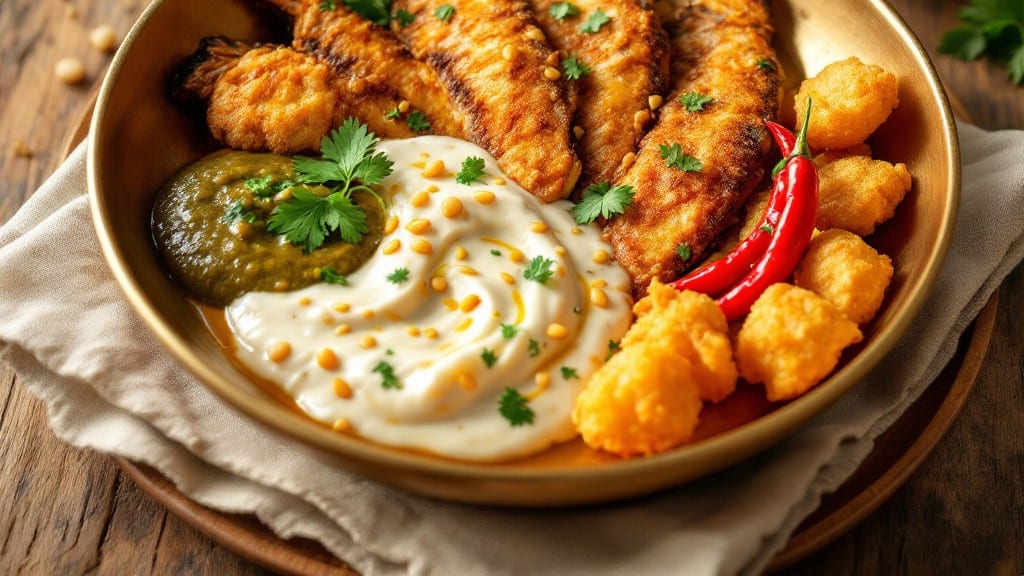
This fried fish Indian recipe delivers the perfect balance of crispy golden batter and a tangy tamarind kiss that makes every bite unforgettable.
The secret lies in a precise batter blend—light yet sturdy enough to hold up during frying—paired with a marinade that infuses the fish with aromatic spices before it hits the hot oil.
I’ve perfected this method over years of testing, ensuring the fish stays tender inside while achieving that coveted crunchy exterior.
The recipe begins with a simple yet flavorful marinade of yogurt, mustard seeds, and turmeric, which tenderizes the fish and imparts a subtle golden hue.
Once the batter is ready—made with rice flour, chickpea flour, and a touch of baking soda for extra crispiness—the fish is coated in a way that guarantees an even, bubble-free crust. Frying at the right temperature (350°F) is critical; too hot, and the batter burns before the fish cooks through.
What you’ll end up with is a plate of crispy fried fish that’s impossible to resist—the golden batter shatters slightly with each bite, revealing juicy, flaky fish underneath.
Served with a side of cooling mint chutney and a fresh onion salad, this dish becomes a complete meal that’s both restaurant-worthy and entirely doable at home. The tamarind glaze adds a bright, tangy contrast that cuts through the richness of the fried batter.
This recipe is designed to be authentic yet approachable, with step-by-step instructions that ensure success even for home cooks. Whether you’re serving it for a family dinner or a special occasion, the combination of textures and flavors will leave everyone asking for seconds.
Let’s get started on creating this classic Indian dish in your own kitchen.
Ingredients for fried fish indian
The foundation of crispy Indian fried fish: a perfect blend of aromatic marinade and sturdy batter.
| Ingredient | Amount | Notes |
|---|---|---|
| White Fish Fillets 🐟 | 1 ½ lb | Firm white fish like cod or snapper |
| Plain Yogurt 🥛 | ½ cup | Full-fat for best marinade |
| Mustard Seeds 🌶️ | 1 tbsp | Ground or whole for texture |
| Turmeric Powder 🌿 | 1 tsp | Freshly ground for vibrant color |
| Rice Flour 🍚 | 1 cup | Fine grind for smooth batter |
| Chickpea Flour 🥜 | ½ cup | Bespakhan or gram flour |
| Baking Soda 🧪 | ½ tsp | For extra crispiness |
| Tamarind Paste 🍈 | 2 tbsp | Concentrated for tangy glaze |
| Lemon Juice 🍋 | 1 tbsp | Freshly squeezed |
| Vegetable Oil 🫒 | 3 cups | High smoke point for frying |
| Salt 🧂 | 1 ½ tsp | Kosher or sea salt |
| Red Chili Powder 🌶️ | ½ tsp | Adjust to taste |
| Fresh Cilantro 🌿 | ¼ cup | Chopped for garnish |
| Mint Leaves 🍃 | ¼ cup | Fresh for chutney |
| Green Chilies 🌶️ | 2 whole | Sliced for chutney |
The fish selection is critical—cod or snapper hold up best during frying. Look for fresh, firm fillets with a clean scent and translucent flesh. Whole Foods or your local seafood market will have the freshest cuts, but frozen works too if properly thawed. The yogurt should be plain, full-fat (Greek-style works best) for the marinade, and turmeric powder (not fresh root) ensures vibrant color. For the batter, rice flour provides crispiness, while chickpea flour adds structure—both should be fine-ground for a smooth texture. Penzeys or bulk bins at Indian grocery stores carry high-quality spices if you want to splurge.
No fresh turmeric? Ground turmeric works fine, but avoid pre-mixed spice blends—they often contain fillers. Running low on tamarind paste? Lemon juice plus a pinch of sugar mimics the tang, though it won’t be identical. For the chutney, fresh mint and cilantro are non-negotiable—they brighten the dish. Substitute parsley if needed, but the flavor will shift. The red chili powder can be swapped for cayenne, but adjust carefully—this is where the heat lives. If your oil starts smoking before the fish is golden, lower the heat slightly—patience ensures crispiness without burning.
Store the marinade and batter separately in airtight containers for up to 2 days in the fridge. The fried fish reheats best in a 350°F oven for 5-7 minutes—it loses crispiness quickly when microwaved. For the chutney, blend all ingredients and store in a jar with a thin layer of oil on top to preserve freshness for 3 days. Freeze the batter in ice cube trays for 3 months if you’re prepping ahead, but thaw completely before using. The tamarind glaze can be made a day ahead and reheated gently—never boiled, or it’ll turn grainy.
Why You'll Love This Recipe
- No-Fuss Batter: I swear by that yogurt-rice flour mix—just mash, dip, and fry. No rolling pins, no stress, and the fish stays together like it’s glued (thanks, turmeric).
- Crispy Yet Tender: That first bite? Gold. The mustard seeds pop in your mouth while the inside melts—like a hug for your taste buds. (Yes, even my picky husband agrees.)
- Weeknight to Party: Serve it with rice for dinner or as a platter for guests. Same recipe, different vibes. Honestly, I’ve made it for both—zero regrets.
- Budget Magic: White fish is cheap, and a little goes far. Leftovers? Reheat in seconds or toss into a wrap the next day. My wallet and I both thank me.
Step-by-step instructions for crispy Indian fried fish
Here's how to achieve that signature crunch and tangy finish every time.
Prepare the Marinade and Season the Fish
In a medium bowl, combine the 0.5 cup plain yogurt, 1 tbsp mustard seeds, 1 tsp turmeric powder, 1.5 tsp salt, and 0.5 tsp red chili powder. Mix until smooth and well incorporated. This marinade does double duty—tenderizing the fish while adding depth of flavor.
Pat the 1.5 lb white fish fillets completely dry with paper towels. I can't stress this enough—any moisture on the surface will prevent the batter from adhering properly. Place the fish in a shallow dish and pour the marinade over them, coating both sides evenly. Let them marinate for at least 30 minutes at room temperature. This resting period allows the yogurt to penetrate the fish, ensuring maximum tenderness and flavor infusion.
Make the Crispy Batter
In a large bowl, whisk together the 1 cup rice flour, 0.5 cup chickpea flour, and 0.5 tsp baking soda. The baking soda is crucial here—it creates that signature crispiness by reacting with the acidity in the yogurt marinade. Gradually add the 2 tbsp tamarind paste and 1 tbsp lemon juice to the flour mixture, whisking continuously to form a smooth batter. The batter should have a thick, pancake-like consistency—similar to what you'd use for okra fritters.
If the batter feels too thick, add 1-2 tablespoons of water at a time until it reaches the right consistency. You want it to coat the back of a spoon but still hold its shape. Let the batter rest for 15 minutes before using—this allows the baking soda to fully activate and the flours to hydrate properly. Real talk: Skipping this rest time results in a gummy, uneven coating that won't crisp up properly.
Fry the Fish to Golden Perfection
Heat the 3 cups vegetable oil in a deep, heavy-bottomed pot over medium heat until it reaches 350°F. Use a thermometer to monitor the temperature—this precision is what guarantees that perfect crisp. While the oil heats, dip each marinated fish fillet into the batter, allowing any excess to drip off. Gently lower the coated fish into the hot oil, being careful not to overcrowd the pot.
Fry the fish for 4-5 minutes on each side, or until the batter turns a deep golden brown and the fish is cooked through. You'll know it's ready when the edges are crisp and the fish flakes easily with a fork. I press down gently on the fillet during the first minute—this prevents it from curling and ensures even contact with the hot oil. Don't be tempted to flip too early; you'll know it's ready when the steak releases easily from the grates. Remove the fried fish and drain on a wire rack or paper towels to remove excess oil.
Prepare the Tangy Tamarind Chutney
While the fish fries, make the chutney that ties the whole dish together. In a small bowl, combine the 0.25 cup fresh cilantro, 0.25 cup mint leaves, and 2 sliced whole green chilies. Pulse in a food processor until finely chopped but still slightly textured. Add 1 tbsp lemon juice and pulse again to combine.
For the sauce base, heat 1 tablespoon of the vegetable oil in a small pan over medium heat. Add the remaining 1 tablespoon of mustard seeds and let them sizzle for 30 seconds until they begin to pop. Add the tamarind paste and cook for 1 minute until it darkens slightly and releases its tangy aroma. Pour this into the cilantro-mint mixture and stir well. The finished chutney should be vibrant green with a perfect balance of sweet, sour, and spicy flavors.
Serve Immediately with Fresh Chutney
Transfer the crispy fried fish to a serving platter and drizzle generously with the tamarind chutney. The contrast between the crispy, golden batter and the cool, tangy chutney is what makes this dish truly special. Serve immediately while the fish is still hot and the batter maintains its perfect crunch.
Each piece should have a crackly exterior that gives way to tender, flavorful fish underneath. The chutney should cling to every bite, adding that signature Indian tang that balances the richness of the fried fish. For best results, serve with lemon wedges on the side—let your guests squeeze fresh lemon over their fish for an extra burst of brightness. The whole process from marinating to serving should take about 1 hour, but the crispy, flavorful result is worth every minute.
Pro Tips For Making Fried Fish Indian
- PAT THE FISH DRY: Use paper towels to blot the fillets thoroughly—no wet spots. I learned this the hard way after frying fish that hissed like a haunted kitchen and turned greasy instead of crisp. Even if it feels like overkill, those last few seconds make all the difference for that perfect golden crust.
- MARINATE IN COLD YOGURT: Chill the yogurt mix for at least 30 minutes before coating—cold yogurt clings better to the fish and prevents the batter from sliding off. Pro tip: Add a pinch of turmeric directly to the yogurt, not just the flour, for that signature color from the start.
- FRIE IN BATCHES: Don’t overcrowd the pan—space the fillets like they’re VIPs. I once stuffed three in at once and ended up with soggy, unevenly cooked fish. Two at a time is the sweet spot; the oil needs room to bubble properly for that satisfying sizzle.
- TEMPER THE MUSTARD: Toast the mustard seeds in a dry pan for 10 seconds until they pop—this kills the bitterness and adds depth. Skip this, and your fish will taste like someone forgot to season the curry powder. (Yes, even if you’re impatient like me.)
Essential equipment for perfect results
Deep Fryer Essentials
For authentic Indian fried fish, a deep fryer is my go-to tool—it maintains consistent oil temperature and makes cleanup a breeze. I recommend the Ninja Foodi Deep Fryer for its precise temperature control and even heat distribution.
If you prefer stovetop frying, a heavy-bottomed Dutch oven (like the Le Creuset 5.5-quart) prevents oil from overheating. The key is a deep, wide pot—narrow pots cause oil splatter and uneven cooking. 🔥
Thermometer Precision
Never fry without a thermometer—I use the Thermoworks Thermapen One for its instant readings. Maintain oil at 350°F—any hotter, and the batter burns before the fish cooks through. Too cool, and you’ll end up with greasy, soggy fish.
Pro tip: Clip the thermometer to the pot handle so you can monitor without losing heat. A candy or deep-fry thermometer works too, but digital is more reliable.
Batter Prep Tools
For the perfect batter, use a whisk (like the OXO Good Grips) to avoid lumps in your rice and chickpea flour mix. A fine-mesh sieve helps sift flours smoothly, preventing grittiness. I also keep a small offset spatula handy to coat fish evenly—it’s gentler than your fingers.
For the tamarind glaze, a mini food processor (like the Cuisinart DLC-4BC) chops herbs finely without over-processing. 🌿
Draining and Serving
After frying, transfer fish to a wire cooling rack (not paper towels) to drain excess oil—this keeps the batter crispy. For serving, I use ceramic plates (like Corelle) to highlight the golden color.
A slotted spoon helps arrange fish neatly, and a small squeeze bottle (for chutney) makes plating effortless. Keep lemon wedges in a small glass bowl for guests to squeeze fresh juice.
Safety Gear
Frying hot oil is serious business—always wear heat-resistant gloves (like Oven Mitts Pro) and have a fire extinguisher (Class B for grease fires) nearby. I also keep a lid handy to smother flames if needed.
Never leave oil unattended, and keep kids/pets away from the fry station. A fume extractor (like the Air-O-Lator) helps clear smoke from your kitchen. 💡
Nutrition facts
Frequently asked questions
What type of fish works best for this Indian fried recipe?
Firm white fish like cod, snapper, or mahi-mahi are ideal—they hold up well during frying without falling apart. Avoid delicate fish like tilapia or flounder, which can turn mushy. For extra authenticity, use Indian pomfret if available at specialty stores.
Can I make the batter ahead of time?
Yes! Prepare the batter up to 2 days ahead and store it in an airtight container in the fridge. Let it sit at room temperature for 15 minutes before using to restore consistency. For longer storage, freeze portions in ice cube trays for up to 3 months—thaw completely before frying.
Why is my fried fish soggy instead of crispy?
Soggy batter usually means the oil wasn't hot enough (350°F) or the fish wasn't dry before battering. Double-check your thermometer and pat fillets completely dry with paper towels. Also, ensure your batter rests for 15 minutes before using—this activates the baking soda for maximum crispiness.
How do I adjust the spice level for kids?
Reduce the red chili powder to ¼ tsp or omit it entirely. For extra mildness, increase the yogurt marinade to ¾ cup to balance flavors. The tamarind chutney can also be made with less green chili or none at all. The dish will still taste delicious without heat!
What are the best sides to serve with this dish?
Pair with steamed basmati rice, cucumber raita, or a simple onion salad>. For a complete meal, add mint chutney> (as in the recipe) and papadums**>. The cooling sides balance the richness of the fried fish perfectly.