Main Courses
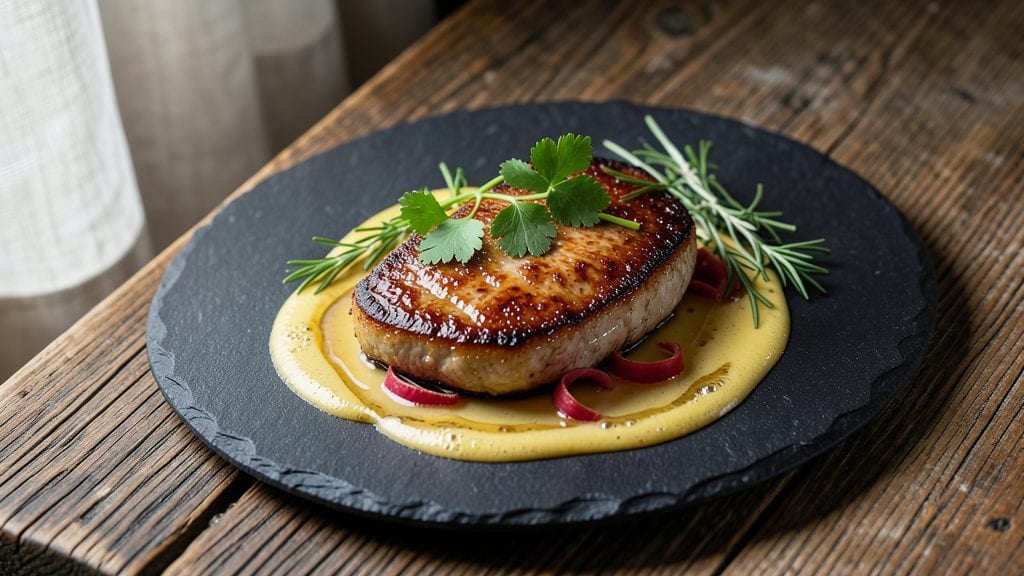
This fried deer liver recipe delivers restaurant-quality results with a searing-hot exterior and buttery, tender interior—transforming game day leftovers into a gourmet centerpiece. The key lies in precise preparation: trimming the liver carefully to remove connective tissue and searing it quickly in a screaming-hot pan to lock in juices.
I’ve perfected this method over years of hunting seasons, ensuring every bite is rich, flavorful, and free from gamey overtones.
What sets this recipe apart is the balance of technique and simplicity. A light marinade of lemon juice and herbs brightens the natural richness, while a high-heat sear creates that coveted crispy crust.
Unlike traditional game meats that require slow cooking, deer liver cooks in just minutes—critical for maintaining its delicate texture. The result is a dish that feels luxurious yet remains approachable for home cooks.
Pair this with caramelized onions, crispy bacon, or a tangy peppercorn sauce to elevate the experience further. The crispy exterior gives way to melt-in-your-mouth tenderness, proving that wild game can rival the finest restaurant preparations.
Whether you’re cooking for a small gathering or feeding a hungry family, this recipe delivers professional results with minimal fuss.
Safety is paramount with liver—always ensure it reaches an internal temperature of 145°F to avoid undercooking. The method below guarantees foolproof execution, turning a potentially tricky ingredient into a standout main course. Let’s get started on transforming your harvest into a showstopper dish.
Ingredients for fried deer liver
Precision-cut liver, aromatic herbs, and high-heat searing transform game into gourmet perfection.
| Ingredient | Amount | Notes |
|---|---|---|
| Fresh Deer Liver 🦌 | 1 ½ lb | Trimmed of connective tissue, sliced into 1/4-inch thick cutlets |
| All-Purpose Flour 🌾 | ½ cup | For dredging, sifted for even coating |
| Unsalted Butter 🧈 | ½ cup | Cold, cut into 1-inch cubes for searing |
| Fresh Lemon Juice 🍋 | ¼ cup | Freshly squeezed, strained for clarity |
| Fresh Flat-Leaf Parsley 🌿 | ¼ cup | Finely chopped, stems included for extra flavor |
| Fresh Tarragon 🌿 | 2 tbsp | Chopped, or substitute 1 tbsp dried |
| Fresh Chives 🌿 | 2 tbsp | Finely chopped, for garnish |
| Diamond Crystal Kosher Salt 🧂 | 1 ½ tsp | For seasoning, adjust to taste |
| Freshly Ground Black Pepper 🌶️ | ½ tsp | Cracked over top, freshly ground |
| Extra-Virgin Olive Oil 🫒 | 2 tbsp | For pan searing, high smoke point |
| Yellow Onion 🧅 | 1 whole | Thinly sliced, for caramelizing |
| Heavy Cream 🥛 | ¼ cup | Optional, for finishing sauce |
The deer liver requires meticulous handling—trim any visible connective tissue or blood vessels, then slice into even 1/4-inch cutlets for consistent cooking. Source from a trusted butcher or game processor within 48 hours of harvest for optimal freshness, or freeze immediately if preparing later. Costco or local hunters' cooperatives often carry high-quality venison, but verify the liver's condition upon receipt. The flour should be sifted to eliminate lumps, ensuring an even coating that creates the signature crispy crust. Penzeys carries excellent quality spices if you prefer pre-measured blends, though fresh herbs elevate this dish significantly.
Substitutions must account for texture and flavor balance. Fresh tarragon is ideal, but dried tarragon at one-third the amount works in a pinch—though fresh delivers superior aroma. For those avoiding dairy, omit the heavy cream and finish with a drizzle of extra-virgin olive oil instead. Yellow onion can be swapped for shallots (use half the quantity) for a milder sweetness. If your liver arrives with residual blood, soak the cutlets in cold milk for 10 minutes before dredging to mitigate gaminess. Diamond Crystal kosher salt provides consistent seasoning, but Morton's works equally well—just measure carefully as grain size varies.
Store trimmed liver in an airtight container with parchment paper between layers for up to 2 days in the refrigerator, or freeze for up to 3 months wrapped tightly in plastic. Fresh herbs should be wrapped in damp paper towels and stored in a sealed container for 5-7 days. The heavy cream can be refrigerated for up to 1 week or frozen for 3 months. For make-ahead convenience, prepare the marinade (lemon juice, parsley, tarragon, salt, and pepper) in advance and store in the fridge for up to 3 days. Reheat seared liver gently in a 350°F oven for 3-5 minutes to restore crispiness.
Why You'll Love This Recipe
- Pan-Fried in Minutes: I swear, this takes less time than debating what to order for takeout. Thin slices of liver hit the butter—sizzle—and you’re flipping before the kids even notice you’re cooking.
- Butter-Lemon Magic: That crispy flour crust gives way to tender meat, but the real star? A squeeze of bright lemon juice cutting through the richness. Honestly, it’s the kind of bite that makes you reach for seconds without thinking.
- Game Day Staple: Serve it with mashed potatoes and gravy for a hunting season classic, or toss it into a sandwich for tailgate fuel. My crew clears their plates faster than you can say “who shot the deer?”
- Budget-Friendly Luxury: Deer liver stretches further than you’d think—double the batch and freeze half for when you’re craving something special but don’t want to splurge. (Yes, even on a Tuesday night.)
Step-by-step instructions for fried deer liver
A delicate balance of searing heat and gentle handling transforms wild game liver into a luxurious dish with crisp edges and velvety centers.
Prepare the Liver and Dredge for Crispy Perfection
Pat the sliced fresh deer liver dry completely with paper towels—moisture is the enemy of a good sear. Arrange the cutlets on a plate and season both sides generously with the 1.5 teaspoons diamond crystal kosher salt and 0.5 teaspoon freshly ground black pepper. Let them sit at room temperature for 15 minutes to draw out any residual moisture.
Sift the 0.5 cup all-purpose flour onto a shallow plate. Working quickly, dredge each liver cutlet in the flour, pressing gently to ensure an even coating. The flour creates a golden crust that locks in the liver's natural richness. Don't skip this step—it's what gives the final dish that satisfying crunch. Place the dredged cutlets on a wire rack over a plate to catch any excess flour while you prepare the pan.
Sear the Liver in Butter and Olive Oil
Heat a large skillet over medium-high heat until it's properly preheated—you should see a light sheen of oil when you place a drop of water in the pan. Add the 2 tablespoons extra-virgin olive oil and 0.5 cup unsalted butter (cut into 1-inch cubes) to the skillet. Let the butter melt completely, then add the sliced yellow onion. Cook for 5-6 minutes until the onions are golden brown and caramelized.
Remove the onions with a slotted spoon and set aside, leaving the rendered butter and oil in the pan. Increase heat to medium-high and add the dredged liver cutlets. Cook for 1-2 minutes per side until they develop a deep golden-brown crust. The liver should be cooked through but still retain its moist, velvety interior. Be careful not to overcook—deer liver should remain tender with just a hint of pink in the center.
Finish with Herbs and Lemon Juice
Remove the liver from the skillet and transfer to a warm serving plate. Immediately add the 0.25 cup fresh lemon juice to the pan along with the chopped fresh flat-leaf parsley, fresh tarragon, and fresh chives. Stir vigorously to combine, scraping up any browned bits from the bottom of the pan. This creates a bright, aromatic sauce that complements the rich liver.
Return the liver to the skillet just long enough to coat the cutlets with the herb-infused lemon sauce. The acidity of the lemon juice cuts through the richness of the liver, creating a perfect balance of flavors. For an extra touch of luxury, drizzle the pan sauce over the liver and garnish with additional chopped fresh chives.
Optional Creamy Finish and Serving
For a richer finish, reduce the heat to low and stir in the 0.25 cup heavy cream. Allow it to simmer gently for 1-2 minutes until slightly thickened. Pour this creamy sauce over the liver cutlets, ensuring each piece is well coated. The cream adds a velvety texture that contrasts beautifully with the crisp edges.
Serve the fried deer liver immediately, accompanied by the caramelized onions and any remaining herb sauce. The contrast of temperatures—crispy, hot liver with cool, creamy sauce—elevates this dish to restaurant-quality. Pair with crusty bread or a simple arugula salad to balance the richness.
Pro Tips For Making Fried Deer Liver
- Trim the Gall Bladder: Deer liver hides a tiny green sac—don’t let it ruin your dish. Remove it before cutting, or you’ll get bitter, grassy flavor no amount of lemon can fix. I learned this after serving a batch that tasted like someone dumped a handful of dandelions in the pan.
- Pat Dry, Then Salt: Wet liver sticks to flour like glue, and it won’t brown properly. After trimming, blot the surfaces with paper towels and season with salt immediately—this helps draw out moisture so the crust forms crisp instead of steaming. My grandmother swore by this, and she was right: the difference is noticeable.
- Butter in Stages: Start with a thin layer of butter in the pan—just enough to coat—and add more after the liver sears. Too much butter upfront pools into grease, and you’ll end up with soggy flour instead of a golden crust. I was skeptical until I tried it: the texture actually changes the outcome.
- Wait 5 Minutes: The moment you pull the liver from the pan, tent it with foil and let it rest. Skipping this step means juices leak out when you slice, leaving you with dry, tough pieces. Does it look weird? Yes. Does it work? Every single time. Your future self will thank you.
Pro cooking tips for perfect results
High-Heat Sear Mastery
Deer liver cooks in mere minutes, so your pan must be screaming hot before the first cutlet hits the surface. I use a 12-inch cast-iron skillet (like my Lodge Pre-Seasoned) because it retains heat exceptionally well.
Heat the pan over medium-high heat for 5-6 minutes—it should shimmer when you flick a drop of water across it. If it doesn’t sizzle immediately, your liver will steam instead of sear, leading to a soggy texture. 🔥
Butter Fat Control
Use cold butter cubes (not melted) to create a flavorful crust while preventing the liver from cooking unevenly. I cut ½ cup unsalted butter into 1-inch cubes and let them melt slowly in the pan with the olive oil.
If the butter burns before the liver is cooked, immediately reduce heat to medium-low and add another 1 tablespoon of oil to stabilize the temperature. This ensures a golden crust without sacrificing flavor.
Timing is Everything
Cook liver for 1-2 minutes per side—no more! Overcooking turns it rubbery. I use a meat thermometer to verify the internal temperature reaches 145°F (the USDA safe minimum for poultry/liver).
Remove the liver from the pan the second it registers—it’ll carryover cook for another 5-10 seconds while resting. Set a timer for 90 seconds total per side to avoid second-guessing. ⏰
Herb Infusion Technique
After searing, deglaze the pan with ¼ cup fresh lemon juice and 2 tbsp chopped tarragon to create a bright, aromatic sauce. Let it simmer for 30 seconds to meld flavors, then return the liver to coat.
For extra depth, add 1 tsp Penzeys smoked paprika to the pan before deglazing—it adds a subtle earthiness that balances the richness. Stir constantly to prevent burning while infusing the sauce.
Resting for Juiciness
Transfer seared liver to a warm plate and let it rest for 2-3 minutes before serving. This allows juices to redistribute, preventing them from leaking out when sliced. I tent the plate loosely with foil to keep it warm without steaming.
Skipping this step results in dry, stringy liver—don’t rush it! The wait ensures every bite is velvety and packed with flavor. 💫
Caramelized Onion Prep
Caramelize 1 thinly sliced yellow onion in the same butter/oil mixture until deep golden (5-6 minutes). Remove with a slotted spoon and reserve for serving—these sweet, crispy onions add texture contrast.
If your onions burn before caramelizing, reduce heat to low and add 1 tbsp water to steam them gently until tender. The Maillard reaction (browning) happens at 320-356°F, so patience is key for that perfect balance of sweetness and depth.
Nutrition facts
Frequently asked questions
How do I properly trim deer liver for frying?
Start by rinsing the liver under cold water, then pat dry with paper towels. Use a sharp knife to trim away any visible connective tissue, blood vessels, or discolored spots. Slice into 1/4-inch thick cutlets for even cooking. Work quickly to prevent drying—never trim or slice more than 10 minutes before cooking.
Can I use frozen deer liver for this recipe?
Yes, but thaw it properly first. Place frozen liver in the refrigerator for 24 hours or use the cold water method (sealed in a leak-proof bag for 1 hour). Never thaw at room temperature—this promotes bacterial growth. For best results, use liver within 48 hours of thawing.
What's the safest way to cook deer liver to avoid undercooking?
Always use a meat thermometer—liver is safe at 145°F internal temperature. Cook for 1-2 minutes per side in a screaming-hot pan, then verify with the thermometer. The exterior should be golden brown while the center remains slightly pink (like medium-rare steak). Never eat liver that appears gray or has a metallic taste.
Can I substitute butter with another fat for frying?
For best flavor, stick with butter—but you can use olive oil or ghee in a pinch. If using oil, add 1 tablespoon of butter to the pan just before searing for flavor. Avoid vegetable oils with low smoke points (like canola) as they may burn before the liver cooks through.
How do I store leftovers safely?
Cool cooked liver to room temperature within 2 hours, then refrigerate in an airtight container for up to 3 days. For longer storage, freeze portions for up to 3 months. Reheat gently in a skillet over low heat until warmed through—microwaving can make it rubbery.