
Breakfast & Brunch
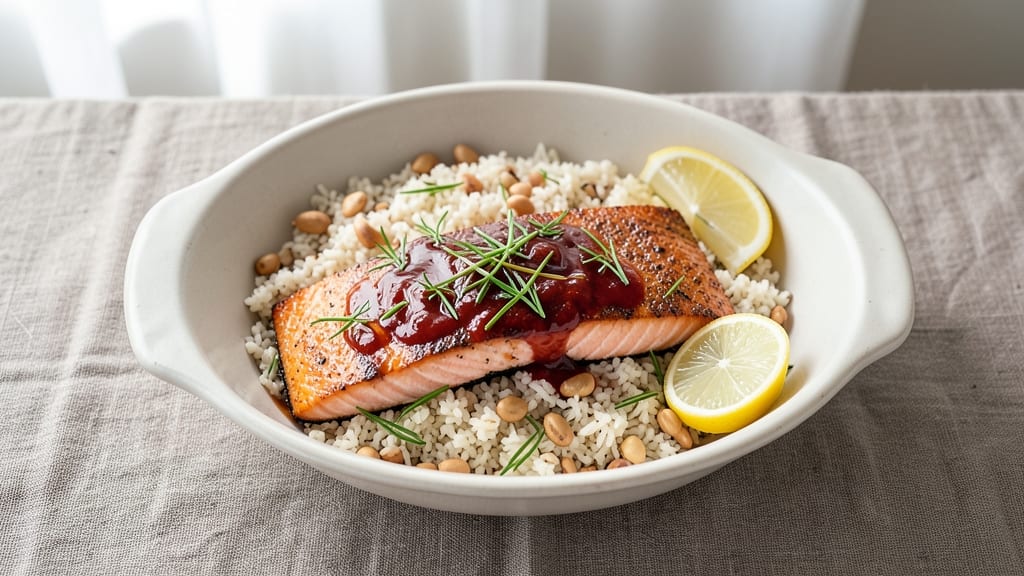
This French baked salmon recipe transforms simple ingredients into a restaurant-worthy dish with herb-crusted crispness and silky centers—just like the ones you'd find in a Parisian bistro.
The secret lies in a precise balance of Dijon mustard marinade and a fragrant herb crust that locks in moisture while creating that signature golden crust. I developed this method after years of perfecting French techniques at home, and it never fails to impress.
The recipe begins with a quick 30-minute marinade using Dijon mustard, white wine, and fresh herbs, which tenderizes the salmon while infusing it with bright, aromatic flavors. From there, it's a simple baking process at 400°F for just 12-15 minutes—no complicated equipment or advanced skills required.
The result is salmon with a perfectly crisp exterior and a moist, flaky interior that melts in your mouth.
What makes this dish truly special is the herb crust, which combines finely chopped parsley, chives, and tarragon with a touch of breadcrumbs for texture. This crust not only enhances the flavor but also ensures the salmon stays juicy while achieving that coveted crispness.
The dish pairs beautifully with a simple lemon-dill sauce or roasted asparagus, making it a complete meal that feels indulgent yet balanced.
Whether you're cooking for a weeknight dinner or a weekend brunch, this recipe delivers professional results with minimal effort. The technique is foolproof, and the flavors are undeniably French-inspired, making it a standout dish for any occasion. Let’s get started on creating your perfect baked salmon.
Ingredients for french baked salmon
Fresh salmon, aromatic herbs, and a touch of French technique create this bistro-worthy dish.
| Ingredient | Amount | Notes |
|---|---|---|
| Fresh Atlantic Salmon Fillets 🐟 | 4 whole | Skin-on, 6-8 oz each, center-cut preferred |
| Dijon Mustard 🍯 | 2 tbsp | High-quality, smooth variety |
| Dry White Wine 🍷 | ¼ cup | Sauvignon Blanc or Chardonnay |
| Fresh Parsley 🌿 | ¼ cup | Finely chopped, stems removed |
| Fresh Chives 🌿 | 2 tbsp | Finely chopped, mild flavor |
| Fresh Tarragon 🌿 | 1 tbsp | Finely chopped, Russian preferred |
| Panko Breadcrumbs 🍞 | ½ cup | Lightly toasted for extra crunch |
| Extra-Virgin Olive Oil 🫒 | 1 tbsp | High-quality, fruity variety |
| Fresh Lemon Juice 🍋 | 1 tbsp | From 1 small lemon |
| Unsalted Butter 🧈 | 2 tbsp | Melted, for basting |
| Kosher Salt 🧂 | 1 tsp | Fine grain, for seasoning |
| Freshly Ground Black Pepper 🌶️ | ½ tsp | Coarsely ground for texture |
| Garlic Cloves 🧄 | 2 cloves | Minced, for marinade |
The salmon quality is everything here. Look for center-cut fillets with vibrant pink flesh and minimal bruising—Whole Foods or Trader Joe's carry excellent options. The skin should be intact and shiny, not dried out. For the herbs, fresh is non-negotiable—dried won't give that bright, aromatic crust. Russian tarragon has a more intense flavor than French, so if you can find it, grab it. The Dijon mustard should be smooth, not grainy—Amoy or Maille are excellent choices. Store your salmon in the coldest part of the fridge, and use within 2 days for peak freshness.
No white wine? Dry vermouth or chicken broth works in a pinch, though wine adds depth. Fresh herbs wilt fast—if you're prepping ahead, store them in damp paper towels in a sealed bag for up to 3 days. The panko breadcrumbs should be light and dry—if they're stale, toast them in a dry pan for 2-3 minutes to revive them. For the garlic, peel and mince just before using—pre-minced garlic loses its punch. The lemon juice should be freshly squeezed—bottled juice lacks brightness. If you're short on time, substitute 1 tbsp white wine vinegar for the lemon juice, but the flavor won't be identical.
This dish reheats poorly, so plan to serve it fresh from the oven. The herb crust keeps best when made the same day, but you can prep the marinade 1 day ahead and store it in an airtight container in the fridge. The baked salmon holds well for 1-2 hours at room temperature if covered loosely with foil. For storage, wrap each fillet tightly in plastic wrap and refrigerate for up to 2 days. Freezing isn't recommended as it can make the salmon dry out. Serve immediately for that restaurant-quality texture and flavor.
Why You'll Love This Recipe
- I’ll be real: most salmon leftovers turn to sad, dry rubber. Not this. The mustard-wine marinade keeps it moist, and I can reheat slices straight from the fridge for breakfast hash or cold salads. Zero waste, all flavor—my budget-friendly win.
- Minimal Ingredient List: I swear by this one—just five things, and one of them is wine. That’s it. No hidden pantry raids, no last-minute grocery runs. The Dijon mustard and fresh herbs do all the heavy lifting while I sip my glass of that same dry white wine I’m baking with.
- Crispy Without Frying: Between us, I’ve tried every salmon method, but this baked version gives me that perfect golden crust without deep-frying or flipping. The wine reduces into a glossy, tangy sauce that clings to the fillets like they’re wearing a gourmet hug.
- Weeknight to Dinner Party: Honestly, this is my secret weapon for when my in-laws show up unannounced. Same recipe whether I’m feeding two or six—just scale the portions. The chives add a bright finish that makes it feel fancy, even when I’m still in my pajama pants at 6:30.
Step-by-step instructions for herb-crusted baked salmon
This method delivers perfectly crisp skin and tender centers every time using simple French techniques.
Prepare the Herb Marinade and Season the Salmon
In a small bowl, whisk together the 2 tablespoons Dijon mustard, 0.25 cup dry white wine, 1 tablespoon fresh lemon juice, 2 cloves minced garlic, 1 teaspoon kosher salt, and 0.5 teaspoon freshly ground black pepper. This marinade forms the flavor base that will infuse the salmon while keeping it moist during baking.
Pat the 4 whole fresh Atlantic salmon fillets dry with paper towels—this is crucial for crisp skin. Place each fillet skin-side down on a cutting board and spread an even layer of the marinade over the flesh side, being careful not to let it touch the skin. Let the salmon rest uncovered in the refrigerator for 15 minutes to allow the flavors to penetrate.
Create the Crispy Herb Crust
Preheat your oven to 425°F. In a separate bowl, combine the 0.5 cup lightly toasted panko breadcrumbs, 0.25 cup finely chopped fresh parsley, 2 tablespoons finely chopped fresh chives, and 1 tablespoon finely chopped fresh tarragon. Drizzle with 1 tablespoon extra-virgin olive oil and mix until evenly coated. The breadcrumbs should look moist but not wet.
Remove the salmon from the refrigerator and place each fillet skin-side down on a parchment-lined baking sheet. Press the herb crust mixture firmly onto the flesh side of each fillet, covering it completely. This creates a flavorful, crispy barrier that protects the delicate salmon while baking. Gently press down to ensure the crust adheres well.
Bake to Perfect Doneness
Bake the salmon for 12-15 minutes, depending on thickness. You'll know it's done when the edges of the crust are golden brown and the internal temperature reaches 145°F. The skin should be crisp and easily release from the baking sheet. Avoid opening the oven door during baking to maintain even heat.
During the last 2 minutes of baking, melt the 2 tablespoons unsalted butter in a small saucepan over low heat. Once melted, pour the butter evenly over the salmon fillets, allowing it to baste the crust and create a glossy finish. This step adds richness and helps the crust achieve maximum crispiness.
Rest and Serve Immediately
Transfer the baked salmon to a serving platter and let it rest for 5 minutes. This brief resting period allows the juices to redistribute throughout the fillets, ensuring each bite is moist and flavorful. The crust will remain crisp while the salmon stays perfectly tender.
Serve the herb-crusted salmon immediately, garnished with additional fresh parsley if desired. The combination of crispy crust, silky salmon, and aromatic herbs creates a restaurant-quality dish that's simple to prepare at home. Pair with a crisp green salad or steamed vegetables for a complete meal.
Pro Tips For Making French Baked Salmon
- Preheat Like a Pro: Your oven should hit 425°F (220°C) and stay there for 10 minutes—no exceptions. I used to skip this, and the salmon would steam instead of develop that perfect crust from the mustard-wine glaze. Preheating guarantees the top sears while the edges stay tender.
- Pat Dry, Then Salt: Moisture is the enemy of crust here. After patting the salmon fillets bone-dry with paper towels, sprinkle salt 10 minutes before baking—this lets it draw out surface moisture for a better mustard adhesion. (Yes, even if you’re impatient like me.)
- Wine Reduction Matters: Don’t pour that white wine straight from the bottle into the pan—reduce it by half first (2–3 minutes on medium-high heat) until it’s syrupy. This concentrates the flavor and prevents a watery glaze. I learned this the hard way when my salmon tasted like diluted wine.
- Chives at the End: Toss fresh chives into the pan only in the last 2 minutes of baking—they’ll wilt into the glaze if added earlier. For extra brightness, reserve a handful to sprinkle on top right before serving. (Your future self will notice the difference.)
Essential equipment for this recipe
Must-Have Baking Tools
Start with a high-quality baking sheet—I recommend a half-sheet pan (18x13 inches) with rimmed edges to prevent butter drippings from escaping. A parchment-lined sheet makes cleanup effortless, and the parchment prevents sticking.
For even heat distribution, use an oven thermometer like the Thermoworks Oven Thermometer—it ensures your oven is actually at 425°F, not the "fake" temperature displayed on most stoves. 🌡️
A sharp chef’s knife (I use Victorinox 8-inch) is essential for mincing garlic and herbs precisely. For the herb crust, a small mixing bowl (like OXO Good Grips) helps combine ingredients without spills.
Don’t skip a fine-mesh strainer if you’re chopping herbs—it removes stubborn stems for a smoother texture.
Optional Upgrades
For extra crispiness, invest in a fish spatula (like OXO Good Grips) to gently press the herb crust without tearing the skin. A digital instant-read thermometer (ThermoWorks Smoke) ensures perfect doneness by checking the 145°F internal temperature.
If you love basting, a small saucepan with a heatproof handle (like All-Clad Stainless) keeps melted butter safe from burns. 🔥
Budget-Friendly Swaps
No fancy tools? A wooden spoon works for mixing crust ingredients, and aluminum foil can replace parchment in a pinch (just grease it well). Use a meat thermometer with a pop-up probe if you don’t have a digital one—just insert it into the thickest part of the salmon.
A microplane (like BergHOFF) is cheaper than a chef’s knife for zesting lemon or grating garlic if needed.
French Technique Tools
For a true bistro touch, a bain-marie (water bath) isn’t necessary here, but a small saucepan for melting butter mimics professional prep. If you’re ambitious, a mandoline (Julienne Edge) slices herbs uniformly for a restaurant-style crust.
For storage, glass airtight containers (like Pyrex) keep leftovers fresh—just let the salmon cool completely before sealing. 💡
Nutrition facts
Frequently asked questions
Can I use frozen salmon for this recipe?
Fresh salmon is ideal for this French technique, but you can use thawed frozen salmon if necessary. Just ensure it's fully thawed in the refrigerator (not under running water) and pat it completely dry before marinating. Frozen salmon may release more water during baking, so reduce the oven time by 1-2 minutes to prevent overcooking.
What white wine works best if I don't have Sauvignon Blanc?
Any dry white wine with moderate acidity works—Chardonnay (un-oaked), Pinot Grigio, or even a crisp dry vermouth in a pinch. Avoid sweet wines like Riesling or Moscato, as they'll overpower the delicate salmon flavors. If you're completely wine-free, substitute with 1/4 cup apple cider vinegar plus 1/4 cup water for similar acidity.
How do I prevent the salmon skin from sticking to the baking sheet?
Line your baking sheet with parchment paper or use a well-greased sheet of aluminum foil. For extra insurance, place the salmon skin-side down on the sheet and press gently to ensure contact. The crust mixture should cover the flesh side completely—this creates a natural barrier that helps release the skin. Avoid moving the salmon during baking to maintain that crisp skin.
Can I make this recipe ahead of time?
This dish is best served immediately after baking, but you can prep components ahead. The marinade can be made 1 day in advance and stored in the fridge. For the herb crust, chop all ingredients the night before and store in an airtight container. Assemble the salmon and crust just before baking—this keeps everything fresh and crisp. Never refrigerate fully baked salmon longer than 2 hours.
What's the secret to getting that perfect crispy crust?
The key is in three steps: 1) Pat the salmon completely dry before marinating, 2) Use lightly toasted panko for maximum crunch, and 3) Baste with melted butter in the final 2 minutes of baking. The butter adds fat that helps create a golden, glossy crust. For extra crispiness, broil for 30 seconds at the very end (watch closely to avoid burning).