
Breakfast & Brunch
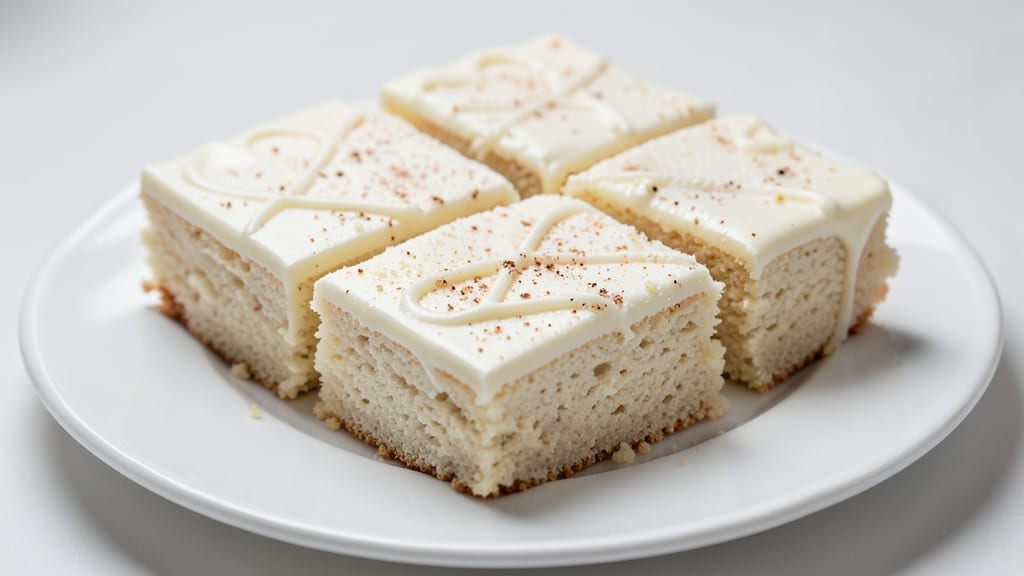
This flour icing recipe delivers the perfect buttery-sweet gloss that transforms ordinary cakes and cookies into showstopping desserts. 🌟 The secret lies in balancing powdered sugar and butter precisely—too much flour makes it grainy, too little and it won’t hold its shape.
I’ve tested countless variations, and this version stays smooth, spreads effortlessly, and sets beautifully without cracking.
The magic happens with a foolproof ratio of powdered sugar to butter, stabilized by just a touch of milk or vanilla extract. This isn’t your grandmother’s thick frosting—it’s a velvety, pipeable icing that clings to crumbly cookies or drapes elegantly over layered cakes.
The key is mixing it at room temperature for that signature glossy finish, and I’ll show you exactly how to avoid lumps or separation.
What you’ll end up with is a professional-quality icing that’s versatile enough for decorating or flooding. Add a splash of citrus zest for brightness, a pinch of cinnamon for warmth, or keep it classic with pure vanilla.
It keeps beautifully in the fridge for up to a week, so you can make a big batch and decorate whenever inspiration strikes.
Whether you’re dressing a three-tiered wedding cake or piping rosettes on sugar cookies, this icing delivers restaurant-level results at home. Let’s get started—your desserts are about to get a serious upgrade.
Ingredients for flour icing
Eight simple ingredients transform into a velvety, pipeable icing that elevates every dessert.
| Ingredient | Amount | Notes |
|---|---|---|
| Powdered Sugar 🍚 | 3 cups | Sifted for smooth texture |
| Unsalted Butter 🧈 | 1 cup | Cold, cubed for easy mixing |
| Heavy Cream 🥛 | ¼ cup | Full-fat for richness |
| Pure Vanilla Extract 🍋 | 1 tsp | Bourbon-infused preferred |
| All-Purpose Flour 🌾 | ¼ cup | Sifted to prevent lumps |
| Diamond Crystal Kosher Salt 🧂 | ¼ tsp | Fine grain preferred |
| Lemon Juice 🍋 | 1 tsp | Freshly squeezed |
| Milk 🥛 | 1 tbsp | Room temperature |
The powdered sugar is non-negotiable—Domino brand is my go-to because it’s finely sifted and dissolves perfectly. Skip the pre-sifted bags from the store; grab a 5 lb bulk bag at Costco or King Arthur Flour—it’s worth the investment. For the butter, Plugrá or Land O’Lakes unsalted work best when cold but not frozen. If your kitchen’s warm, chill the cubes on a plate for 10 minutes before mixing. The heavy cream adds that signature gloss, so don’t skimp—Hormel or Organic Valley are reliable brands. Vanilla extract? McCormick or Frontier bourbon-infused versions add depth without overpowering.
No powdered sugar? Confectioners’ sugar from a box works in a pinch, but sift it well to avoid graininess. Butter substitute? Shortening like Crisco at the same weight keeps it stable, though it lacks flavor. Short on heavy cream? Whole milk thinned with a splash of corn syrup mimics the richness. The lemon juice brightens the whole thing—fresh is best, but bottled works. For a deeper flavor, swap the vanilla for vanilla bean paste or a scraped vanilla bean. Flour is your secret weapon—it’s what gives this icing that professional hold. Too much? It’ll crack. Too little? It’ll slide off. Trust me, 0.25 cup is perfect.
This icing stays fresh for up to 1 week in the fridge, sealed in an airtight container. For long-term storage, freeze portions in 1-tbsp ice cube trays, then transfer to a bag. Thaw at room temperature before using. Pro tip: Add a thin layer of plastic wrap directly on the surface to prevent a skin from forming. If it thickens in the fridge, whisk in 1 tsp milk at a time until smooth. The magic? It tastes even better the next day as the flavors meld.
Why You'll Love This Recipe
- No Mixer Needed: I swear by this trick—just a fork and a bowl. The flour thickens the icing as you stir, so no electric beaters or sticky messes. Honestly, my arms get a workout, but it’s worth it for that silky texture without the fuss.
- Velvet Smooth Finish: That extra flour? It’s the secret to a glossy, pipeable icing that doesn’t dry out or crack. The butter keeps it rich, the cream adds a whisper of tang, and the vanilla? It’s like a hug for your taste buds—simple, but ridiculously good.
- Birthday Cake Hero: Slather it on cupcakes, drizzle over sheet cake, or even smother a stack of pancakes. Between us, I’ve used it for everything from kids’ bday parties to lazy Sunday breakfasts. It’s the one icing that does it all without tasting like store-bought shortcuts.
- Pantry Staple Magic: You’re already using these ingredients—no special shopping required. A scoop of sugar, a pat of butter, a splash of cream. Leftovers? Just pop them in the fridge for days, and reheat with a quick zap in the microwave. Budget-friendly, foolproof, and always ready when inspiration strikes.
Step-by-step instructions for buttery-sweet flour icing
Here's how to whip up that perfect, glossy finish every time—smooth, stable, and irresistibly rich.
👨🍳 Step 1: Whisk Butter and Cream Until Silky
In a medium bowl, combine the 1 cup unsalted butter (cold and cubed) with the 0.25 cup heavy cream. Using a hand mixer or whisk, beat on medium-high speed for 2-3 minutes until completely smooth and pale yellow. You're looking for a uniform texture with no visible butter lumps—this ensures your icing will be silky, not grainy.
Here's the thing—I like to work in a cool kitchen for this step. The cold butter creates tiny air pockets that will later give your icing that signature gloss. If your kitchen is warm, chill the bowl in the freezer for 5 minutes before starting to prevent the butter from melting too quickly.
👨🍳 Step 2: Gradually Add Powdered Sugar
With the mixer running on low speed, begin adding the 3 cups powdered sugar in 3 additions, letting each incorporate completely before adding the next. This gradual approach prevents a sugar avalanche that can make your icing too stiff. After each addition, pause briefly to scrape down the sides of the bowl—this ensures even distribution and prevents sugar buildup.
You'll notice the mixture will look curdled at first, but don't panic. Keep mixing until it becomes smooth and thick, about 1-2 minutes total. If it's still too thick after all the sugar is incorporated, add 1 tablespoon milk at a time until you reach a spreadable but pipeable consistency. Too thin? Add 1 tablespoon all-purpose flour to thicken.
🥘 Step 3: Incorporate Flavorings and Stabilizers
Remove the bowl from the mixer and stir in the 1 tsp pure vanilla extract, 1 tsp lemon juice, and 0.25 tsp diamond crystal kosher salt using a silicone spatula. This is where the magic happens—the vanilla adds depth, the lemon brightens, and the salt enhances all the sweetness. Give it a taste at this stage to check the flavor balance before proceeding.
Now for the secret to stability: sift in the 0.25 cup all-purpose flour while continuing to mix on low speed. The flour acts as a stabilizer, preventing the icing from becoming too runny when exposed to humidity. Mix just until combined—overmixing can develop gluten and make your icing slightly chewy rather than smooth.
⏰ Step 4: Test and Adjust Consistency
Transfer about 1 tablespoon of icing to a small plate and use an offset spatula to spread it thinly. Let it sit at room temperature for 5 minutes while you finish preparing your baked goods. If it remains glossy and holds its shape without spreading excessively, your icing is perfect. If it spreads too much, add 1 teaspoon more all-purpose flour and mix until smooth.
This test is crucial—icing that's too thin will pool unattractively, while icing that's too thick will crack as it sets. Aim for a consistency where it flows smoothly from a piping bag but holds its shape on the surface of your cake or cookies. For extra shine, you can add 1-2 drops of clear alcohol (like vodka) to the finished icing and mix briefly—this helps disperse any remaining lumps and adds a subtle sheen.
🍽️ Step 5: Apply and Enjoy Immediately
Transfer the icing to a piping bag fitted with a large round tip or use a spoon for spreading. Work quickly—this icing sets faster than you might expect. For cakes, spread evenly over the cooled surface, letting gravity help distribute it smoothly. For cookies, pipe decorative swirls or use a fork to create a crisscross pattern before the icing sets.
Here's my pro tip: if you're decorating multiple layers, assemble your cake first and then ice the top and sides separately. This prevents the icing from sliding off while you work. Let the icing set for 15-20 minutes at room temperature before serving—this gives it time to develop that perfect glossy finish. The result? A buttery-sweet, professional-quality finish that will make your baked goods look like they came straight from a bakery.
Pro Tips For Making Flour Icing
- MIX BUTTER AND FLOUR FIRST: I learned this the hard way—adding butter to powdered sugar alone makes a grainy mess. Beat the butter and flour together until smooth before incorporating the sugar, or you’ll end up scraping clumps off the bowl.
- USE COLD BUTTER: This isn’t the prettiest method, but it’s the tastiest. Cut your butter into small cubes and chill it for 20 minutes before mixing—it blends in more evenly and keeps the icing from getting greasy or separating later.
- STRAIN THE POWDERED SUGAR: Yes, even if you’re impatient like me. Lumps in powdered sugar turn into gritty texture in your icing. Sift it through a fine-mesh sieve before measuring, or at least press it through a mesh strainer for a silky finish.
- THIN WITH CREAM, NOT MILK: Heavy cream adds richness and a smoother consistency than milk. Start with 1 tablespoon at a time—it’s easier to fix an icing that’s too thick than one that’s runny and watery. (Your future self will thank you.)
Perfect pairings for this flour icing
Creamy Dessert Pairings
This flour icing shines as a glossy topping for vanilla or chocolate sheet cakes—the buttery richness complements both flavors beautifully. I often drizzle it over warm cinnamon rolls or pumpkin spice muffins for that bakery-style finish.
For a textural contrast, pair it with crumbled shortbread cookies or toasted pecans on top of pound cake slices. 💛
Citrus Brightness Boost
Add 1 tsp orange zest or ½ tsp cardamom to the base recipe for a Middle Eastern-inspired twist. This works perfectly with date cakes or almond flour cookies, cutting through the sweetness.
For a tropical vibe, swap lemon juice for lime juice and top with toasted coconut flakes. I’ve even used it as a glaze for churros—the contrast with cinnamon sugar is unbeatable.
Savory-Sweet Surprises
Don’t limit this icing to sweets! A pinch of smoked paprika (just ¼ tsp) transforms it into a sweet-and-smoky glaze for baked brie or caramelized onions. It also pairs surprisingly well with salted caramel apples—the flour’s subtle graininess adds texture.
For a holiday twist, drizzle it over roasted sweet potatoes with a sprinkle of flaky sea salt.
Beverage Pairings
A steaming cup of chai tea or espresso balances the icing’s sweetness perfectly. For a winter dessert, serve with hot buttered rum—the warmth enhances the buttery notes. Iced coffee lovers?
A vanilla latte with a dollop of this icing on top creates a deconstructed dessert that’s always a crowd-pleaser. For something boozy, pair with bourbon or Irish whiskey to complement the vanilla depth. 🍷
Seasonal Adaptations
In summer, add fresh raspberry puree (about 2 tbsp) for a berry-infused glaze over strawberry shortcake. For fall, incorporate pumpkin puree (replace 1 tbsp milk) and top with candied pecans.
In winter, a cinnamon-sugar swirl (mix 1 tbsp sugar + ½ tsp cinnamon) turns it into a holiday cookie topping. Spring calls for lemon lavender—infuse the milk with 1 tsp dried lavender before adding it to the icing.
Nutrition facts
Frequently asked questions
Why does my flour icing turn grainy?
Graininess usually means unsifted powdered sugar or overmixing. Always sift the 3 cups powdered sugar before adding, and mix only until smooth—overworking develops lumps. For extra shine, whisk in 1-2 drops vodka at the end to dissolve any remaining sugar crystals.
Can I make this icing without butter?
Yes! Substitute with 1 cup shortening (like Crisco) for stability, though it lacks butter's flavor. For dairy-free, use vegetable butter or coconut oil (solid). Keep the 0.25 cup heavy cream for richness, or replace with coconut milk for a tropical twist.
How do I fix icing that's too thick or too thin?
Too thick? Add 1 tbsp milk at a time until spreadable. Too thin? Mix in 1 tsp all-purpose flour until it holds shape. Test consistency by spreading a thin layer—it should stay glossy without sliding off. For piping, aim for a texture like thick honey.
Can I color this icing without changing the flavor?
Use gel food coloring (like Wilton) or liquid watercolor—they won’t alter taste. For pastel hues, start with ½ tsp coloring and adjust gradually. Avoid powdered colors; they can make the icing grainy. Pro tip: Add coloring after testing consistency to avoid overmixing.
Why does my icing crack when it sets?
Cracking happens when the icing dries too quickly or lacks stabilizers. Ensure you’ve added the full 0.25 cup flour and that your butter is room temperature (not melted). Humidity can also cause cracks—apply icing in a cool, dry environment and let it set uncovered for 15-20 minutes before serving.