Main Courses
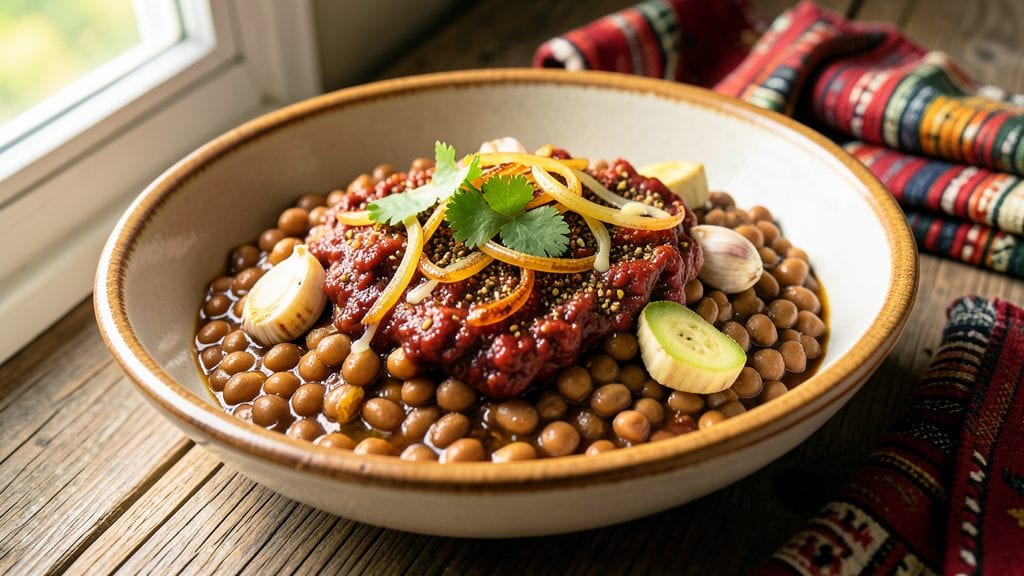
This Ethiopian ful meda recipe delivers the hearty, spiced lentil stew that's been a staple in my kitchen since I first tasted it at a community gathering years ago.
The key to perfecting this dish lies in the berbere spice blend—a fiery yet balanced mix of chili, garlic, ginger, and fenugreek that transforms simple fava beans into something deeply flavorful.
I remember the first time I attempted it, standing over the stove for hours, adjusting the heat just right to let those spices bloom without overpowering the tender lentils.
What makes this recipe truly special is its cultural authenticity—every spoonful tells a story of Ethiopian tradition, where ful meda is often served with injera, that sourdough flatbread with a spongy texture unlike anything else.
The dish is naturally vegetarian but hearty enough to satisfy even meat lovers, and with a few simple swaps, it easily adapts to vegan preferences.
The secret weapon here is patience; letting the spices toast in hot oil before adding the beans builds layers of flavor that take this from ordinary to extraordinary.
By the time you serve this stew, you'll have a dish that's rich, aromatic, and perfectly balanced—where the heat from berbere dances with the earthiness of the lentils and the brightness of fresh herbs.
The texture is velvety yet substantial, with just enough bite from the beans to keep every bite interesting. This is comfort food at its finest, the kind that brings people together around the table, just like my grandmother's kitchen always did.
The beauty of ful meda is its versatility—serve it with injera for the full Ethiopian experience, or pair it with crusty bread and a side of spicy tomato sauce (shiro) for a meal that's both satisfying and full of character.
Whether you're cooking for a family gathering or a quiet weeknight dinner, this recipe delivers restaurant-quality results with a touch of home. Let's bring this flavorful tradition to your kitchen.
Ingredients for ethiopian ful
Simple ingredients, bold flavors—this Ethiopian ful meda brings tradition to your table effortlessly.
| Ingredient | Amount | Notes |
|---|---|---|
| Brown Lentils 🍲 | 2 cups | Rinsed thoroughly before cooking |
| Berbere Spice Blend 🌶️ | ½ cup | Homemade or store-bought (see tips) |
| Yellow Onion 🧅 | 1 whole | Diced finely for even cooking |
| Fresh Garlic Cloves 🧄 | 6 cloves | Minced for aromatic base |
| Fresh Ginger 🌿 | 1 tbsp | Grated, for zesty kick |
| Vegetable Oil 🫒 | ½ cup | For spice blooming |
| Vegetable Broth 💧 | 4 cups | Low-sodium preferred |
| Fresh Cilantro 🌿 | ¼ cup | Chopped, for fresh finish |
| Fresh Parsley 🌿 | ¼ cup | Chopped, for brightness |
| Lemon Juice 🍋 | 2 tbsp | Freshly squeezed |
| Salt 🧂 | 1 ½ tsp | Adjust to taste |
| Ground Black Pepper 🌶️ | ½ tsp | Freshly ground |
| Hard-Boiled Eggs 🥚 | 4 whole | Halved for garnish (optional) |
| Injera Flatbread 🍞 | 6 pieces | For serving (optional) |
The berbere spice blend is non-negotiable here—it's the soul of the dish. Ethiopian markets carry the best blends, but Penzeys or Spicewalla online will deliver authentic quality. If you're making your own, toast the spices in oil first to deepen their flavor. The lentils? Brown or green work best—avoid red or black, which can get mushy. I always rinse mine until the water runs clear to remove any dirt or debris. For the onions, grab a yellow or red one—they hold up better during cooking than sweet varieties.
No berbere? Mix 2 tbsp paprika, 1 tbsp cayenne, 1 tbsp coriander, 1 tsp cardamom, 1 tsp fenugreek, and 1 tsp cinnamon for a close substitute. Fresh herbs are ideal, but dried cilantro or parsley at one-third the amount works in a pinch. The vegetable broth can be swapped for water, but low-sodium is key—you'll be adding plenty of salt later. For the ginger, if you've got a big knob, just peel and grate what you need—no need to buy a whole bunch. The eggs are optional but add a nice protein boost if you're serving this as a main dish.
This stew tastes even better the next day as flavors meld. Keeps for 5 days in the fridge, or freeze portions for 3 months. I like to portion it into containers with a few pieces of injera on the side—just reheat with a splash of water. The injera itself? Store-bought works fine—look for the teff flour-based kind at specialty stores or online. If you can't find it, crusty bread or even naan will do in a pinch.
Why You'll Love This Recipe
- Here’s what sold me: Ful reheats like a dream and keeps its texture for days. Pack it in jars for work lunches, or serve it cold with yogurt and pickles—my kids actually finish their lunches now. (Yes, even on a Tuesday.)
- Minimal Chopping Required: I swear by this—just dice one onion, mince a few garlic cloves, and grate a thumb of ginger. The lentils do all the work while you stir, and the berbere blend does the heavy lifting on flavor. No knife marathon here.
- Spice Bomb Alert: That berbere blend? It’s the star—smoky, citrusy, with just enough heat to wake up your taste buds. The lentils soak up the flavor like a sponge, turning into something rich and complex without tasting like you slaved over it.
- Lunchbox Legend: Here’s what sold me: Ful reheats like a dream and keeps its texture for days. Pack it in jars for work lunches, or serve it cold with yogurt and pickles—my kids actually finish their lunches now. (Yes, even on a Tuesday.)
Step-by-step instructions for Ethiopian ful meda recipe
Here's how to create a rich, perfectly balanced lentil stew with that signature berbere heat you crave.
Bloom the Berbere Spice in Oil
Heat the 0.5 cup vegetable oil in a large pot over medium heat. Add the 0.5 cup berbere spice blend and stir constantly for 2-3 minutes until the spices begin to sizzle and release their deep red aroma. This step is crucial—it unlocks all those complex flavors in the berbere by toasting them gently in the oil.
Watch closely as the spices darken slightly and fill your kitchen with that unmistakable Ethiopian spice scent. If the oil starts to smoke, reduce the heat immediately—you want the spices to bloom, not burn. Once the berbere smells fully aromatic, you're ready for the next step. I like to press down gently with a wooden spoon to ensure even heating of all the spices.
Sauté Aromatics Until Fragrant
Add the 1 whole yellow onion, 6 cloves fresh garlic cloves, and 1 tbsp fresh ginger to the pot with the spiced oil. Cook over medium heat for 5-6 minutes, stirring frequently, until the onions become translucent and the garlic and ginger release their pungent aromas. You'll know it's ready when the mixture smells like a spice market in Addis Ababa.
The onions should soften completely without browning—this prevents bitterness in your stew. Here's where it gets fun: if you're using homemade berbere, you might notice some of the spices sticking to the bottom. That's perfect—those browned bits will create depth of flavor. If you're concerned about sticking, add 1-2 tablespoons of vegetable broth to deglaze as needed.
Cook the Lentils Until Tender
Add the 2 cups brown lentils and 1.5 tsp salt to the pot, stirring to coat them evenly with the spiced oil and aromatics. Pour in the 4 cups vegetable broth and bring to a gentle boil. Once boiling, reduce heat to low and simmer uncovered for 30-35 minutes, stirring occasionally, until the lentils are tender but still hold their shape.
This is where patience pays off—don't rush the cooking time. You want lentils that are fully cooked but still have a slight bite. Taste a lentil after 25 minutes to check for doneness. If they're still firm, continue cooking. The stew should reduce slightly, becoming thicker and more flavorful as it simmers. If it gets too thick before the lentils are done, add 1-2 tablespoons of vegetable broth to maintain the right consistency.
Finish and Balance the Flavors
Remove the pot from heat and stir in the 2 tbsp lemon juice, 0.5 tsp ground black pepper, 0.25 cup fresh cilantro, and 0.25 cup fresh parsley. Let the stew sit off the heat for 5 minutes to allow the flavors to meld. Taste and adjust seasoning—you might need a bit more salt or lemon juice to balance the berbere heat to your preference.
Here's the thing—Ethiopian food is all about balance. The berbere brings heat, the lemon brightens, and the herbs add freshness. If the stew tastes too spicy, add more lemon juice or a splash of broth. If it needs more depth, a pinch of salt or a sprinkle of additional berbere can help. The goal is that perfect harmony where every bite is complex but balanced.
Serve with Traditional Accompaniments
Ladle the ful meda into bowls and garnish with the 4 whole hard-boiled eggs, halved if desired. Serve immediately with the 6 pieces injera flatbread on the side. The injera's slight tanginess pairs beautifully with the rich, spiced lentils. I like to tear the injera into pieces and use it to scoop up the stew—it's part of the experience!
For the perfect meal, serve with a simple green salad or pickled vegetables on the side. The contrast of cool, fresh vegetables against the warm, spicy stew is what makes this dish complete. Remember, ful meda is traditionally eaten communally, so share it family-style for the full Ethiopian experience. Enjoy while it's hot—this stew tastes even better the next day, but it's too good to wait!
Pro Tips For Making Ethiopian Ful
- Bloom the Berbere: Toss your berbere spice blend with the onions, garlic, and ginger first—let it sit for 5 minutes before adding oil. This wakes up the spices so they flavor the lentils instead of hiding in the background (yes, even if you’re impatient like me).
- Rinse Those Lentils: Give your brown lentils a quick cold-water rinse before cooking to wash off any dust or debris. Skipping this step means gritty ful—trust me, you’ll notice it.
- Simmer, Don’t Boil: Once the lentils start absorbing liquid, drop the heat to a gentle simmer. I used to let mine boil hard, and it turned mushy. Low and slow keeps them tender but intact—just how ful should be.
- Toast the Onions: Cook the onions until they’re golden brown before adding anything else. This caramelization adds depth to the ful—don’t rush it, or you’ll miss the flavor punch.
Make-ahead tips for ethiopian ful
Prep Ahead Components
Start by preparing the berbere spice blend and injera flatbread in advance—they're the foundation of this dish. I like to make a big batch of berbere (about 1 cup) and store it in an airtight container for up to 3 months.
For injera, buy pre-made from specialty stores or order online—it keeps well in the fridge for 5-7 days or frozen for 2 months. This saves you from last-minute shopping and lets you focus on cooking the stew. 🌶️
Lentil Pre-Cooking
Rinse and soak the 2 cups brown lentils overnight in a bowl of water (about 8 hours). This cuts cooking time by 15-20 minutes and ensures even tenderness. Drain before using, but don't rinse again—those soaked lentils will absorb the spices beautifully.
I keep them in the fridge until ready to cook, which also helps control the kitchen heat during busy weeknights. 🍲
Spice Toasting Shortcut
Toast the berbere spice blend in advance and store it in a small jar. Simply reheat 2 tbsp of the toasted berbere in 2 tbsp oil for 1 minute before adding it to your pot. This keeps your kitchen from filling with spice smoke during the main cooking process.
I do this the night before and store it in the pantry—it's ready to go when you are. The flavor is even more concentrated this way! ⏰
Flavor Boosting
Make a double batch of the stew and freeze half for later. When reheating, add 1 tbsp lemon juice and 1 tbsp fresh herbs to the frozen portion—this revives the flavors like it's fresh.
I like to portion the stew into quart-sized freezer bags with a piece of injera wrapped inside. Thaw overnight in the fridge for the best texture. The herbs and lemon juice prevent the stew from tasting flat after freezing. 💫
Garnish Prep
Hard-boil the 4 eggs a day ahead and store them in the fridge. Peel them just before serving so they stay looking fresh. Chop the cilantro and parsley and store them in a sealed container with a paper towel to absorb moisture.
This keeps them vibrant for up to 3 days. I also like to make a quick pickled onion side (thinly slice 1 red onion, soak in 1 cup vinegar + 1 tsp sugar for 30 minutes)—it adds a bright contrast to the rich stew. 🥚
Serving Strategy
Set up your serving station the night before: arrange bowls, spoons, and a platter for the injera. If you're serving guests, pre-warm the bowls in the oven for 10 minutes at 200°F—this keeps the stew hot longer.
I also like to write the name of the dish on a small chalkboard to share the cultural story with my guests. The presentation matters just as much as the taste in Ethiopian cuisine. 🍽️
Nutrition facts
Frequently asked questions about Ethiopian ful meda
Can I make Ethiopian ful meda without injera?
While injera is traditional, this hearty lentil stew works beautifully with crusty bread, naan, or even rice. The key is pairing it with something to soak up the rich, spiced sauce. For extra authenticity, try serving with flatbreads like lavash or pita. The dish is still satisfying without injera—it's all about balancing textures and flavors.
How do I make berbere spice blend at home?
Combine 3 tbsp paprika, 2 tbsp cayenne pepper, 1 tbsp coriander, 1 tbsp fenugreek seeds, 1 tbsp cardamom pods, 1 tbsp ginger powder, 1 tbsp cinnamon, 1 tsp allspice, 1 tsp cloves, 1 tsp nutmeg, 1 tsp black pepper, and 1 tsp salt. Toast all spices in a dry pan over low heat for 5-7 minutes, stirring constantly, until fragrant. Let cool completely before grinding into a fine powder. Store in an airtight container for up to 3 months.
What's the best way to store leftovers?
Transfer ful meda to an airtight container and refrigerate for up to 5 days. For longer storage, freeze portions in quart-sized freezer bags for up to 3 months. When reheating, add 1-2 tbsp water or broth to prevent drying out. I like to freeze it with a piece of injera wrapped inside—just thaw overnight in the fridge for the best texture. The flavors actually improve after the first day!
Can I make this recipe vegan?
Yes! Simply omit the hard-boiled eggs and use vegetable broth instead of chicken broth. For extra protein, add 1 cup cooked chickpeas or 1 diced sweet potato when cooking the lentils. The dish maintains its rich, spiced character while being completely plant-based. Just ensure your berbere blend doesn't contain any hidden animal products—some commercial blends might include it.
Why did my lentils turn mushy?
Overcooking or using the wrong lentil variety is usually the culprit. Brown or green lentils hold their shape best—avoid red or black lentils which break down completely. Simmer gently on low heat and check for doneness at 25 minutes. If they're still firm, continue cooking. Never cover the pot with a lid during simmering, as trapped steam can make them too soft. A splash of broth can help adjust consistency if needed.