
Sauces & Condiments
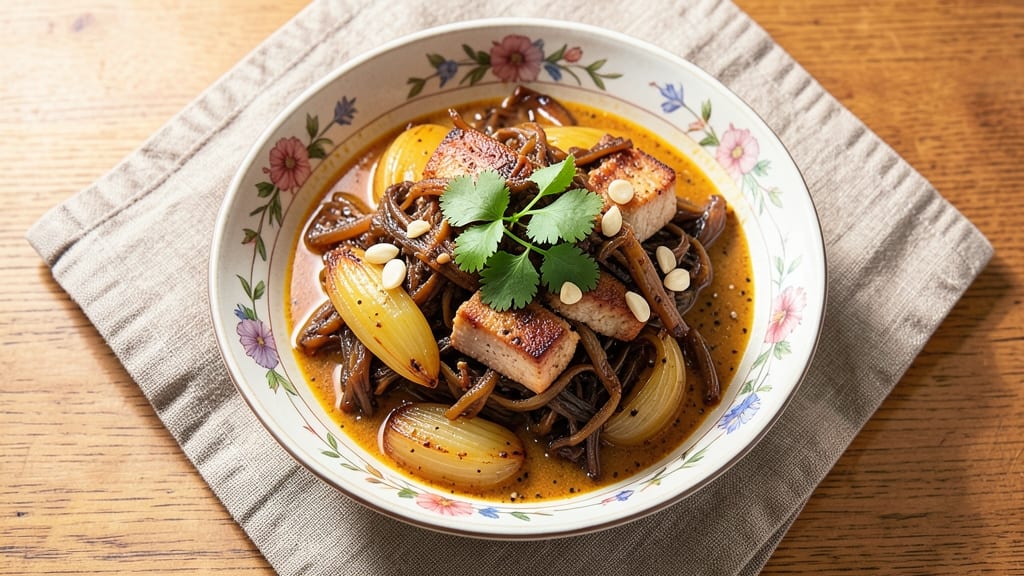
This curry sauerkraut recipe transforms tangy fermented cabbage into a bold, aromatic dish that bridges German tradition with Indian warmth. The key lies in balancing sharp sauerkraut with earthy curry spices—cumin, coriander, and turmeric—that mellow its acidity while deepening its complexity. I developed this after craving something both comforting and unexpected, and it quickly became a weeknight staple that impresses even skeptics.
The beauty of this dish is its versatility—equal parts hearty and adaptable. You’ll braise sauerkraut with onions, garlic, and spices until tender, then pair it with crispy pork chops, shredded chicken, or marinated tofu for a protein-rich main.
The result is a dish that’s rich, slightly sweet, and packed with umami, where every bite delivers a perfect harmony of tang and spice. It’s the kind of recipe that feels both classic and inventive, proving fermented foods can shine in unexpected ways.
What makes this recipe stand out is how it elevates simple ingredients into something extraordinary. The sauerkraut’s natural acidity cuts through the richness of the curry, while the spices add warmth that lingers.
Serve it over buttery mashed potatoes, alongside fluffy jasmine rice, or even on crusty bread for a satisfying open-faced sandwich. The possibilities are endless, but the technique remains foolproof—just follow the steps, and let the flavors meld.
Perfect for those who love bold flavors with a fermented kick, this dish is also surprisingly easy to customize. Swap proteins based on dietary preferences or add fresh herbs like cilantro or parsley at the end for brightness.
The leftovers reheat beautifully, making it ideal for meal prep. Here’s how to bring this fermented twist to life in your kitchen.
Ingredients for curry sauerkraut
Fifteen ingredients blend German tang with Indian warmth for a curry sauerkraut that’s bold yet balanced.
| Ingredient | Amount | Notes |
|---|---|---|
| Sauerkraut 🥬 | 2 cups | Unopened jar preferred for tang |
| Yellow Onions 🧅 | 1 whole | Medium size, thinly sliced |
| Garlic Cloves 🧄 | 4 cloves | Freshly minced, aromatic |
| Ground Cumin 🌿 | 1 tbsp | Toasted for depth |
| Ground Coriander 🌿 | 1 tbsp | Freshly ground preferred |
| Turmeric Powder 🌶️ | 1 tsp | Bright yellow, vibrant |
| Ginger Root 🌿 | 1 tbsp | Freshly grated, zesty |
| Tomato Paste 🍅 | 2 tbsp | Squeeze tube preferred |
| Apple Cider Vinegar 🍏 | 1 tbsp | Balances acidity |
| Unsalted Butter 🧈 | 2 tbsp | Full-fat for richness |
| Brown Sugar 🍚 | 1 tbsp | Lightly packed |
| Salt 🧂 | 1 tsp | Diamond Crystal preferred |
| Black Pepper 🌶️ | ½ tsp | Freshly cracked |
| Fresh Thyme Leaves 🌿 | ¼ cup | Chopped, aromatic |
| Pork Chops 🥩 | 4 pieces | Bone-in, 1-inch thick |
The sauerkraut is the foundation—opt for unopened jars from the refrigerated section at Whole Foods or Trader Joe's for the most vibrant flavor. Freshly ground cumin and coriander elevate the dish beyond standard spice blends, so don’t substitute pre-mixed curry powders unless labeled with these exact spices. The ginger and garlic should be freshly minced for their pungent aroma, while bone-in pork chops add depth that boneless cuts lack. For a vegetarian twist, marinated tofu or chickpeas work beautifully.
No fresh thyme? Dried thyme at half the amount suffices, though fresh delivers superior aroma. Substitute apple cider vinegar with red wine vinegar if needed, but avoid white vinegar—its harshness clashes with the curry. Tomato paste can be replaced with 1/4 cup crushed tomatoes for a chunkier texture, though the paste ensures a smoother sauce. For a sweeter profile, maple syrup swaps brown sugar one-to-one. The pork chops can be swapped for chicken thighs or crispy tofu without altering the braising technique.
Store leftovers in an airtight container for up to 5 days in the fridge, where flavors deepen overnight. Freeze for 3 months by portioning into meal-sized containers—simply reheat with a splash of water. The curry sauce thickens upon cooling, so a quick stir with water restores its consistency. For meal prep, cook the sauerkraut base first, then add proteins separately to maintain crispness.
Why You'll Love This Recipe
- Here’s what sold me: this keeps perfectly for days. Reheat it for sandwiches, toss it into grain bowls, or even serve it as a side with roasted chicken. My lunchbox has never been this exciting, and I’m not the only one begging for leftovers—my picky teenager included.
- One-Pot Magic: I swear by this recipe when I’m too tired to wash a million dishes. Just toss the sauerkraut, onions, and spices into one pan—no chopping like a maniac, no fussing with multiple pots. That tangy, garlicky aroma fills the kitchen while you stir for 15 minutes, and honestly? It’s the kind of meal that makes me feel like a hero.
- Tangy Warmth Combo: Between us, I didn’t think sauerkraut could be this good—until I added cumin and coriander. The sharpness cuts through the richness, while the toasted spices give it this deep, earthy warmth that’s ridiculously satisfying. It’s like a hug in a bowl, but one that won’t judge you for eating it straight from the pot.
- Meal Prep MVP: Here’s what sold me: this keeps perfectly for days. Reheat it for sandwiches, toss it into grain bowls, or even serve it as a side with roasted chicken. My lunchbox has never been this exciting, and I’m not the only one begging for leftovers—my picky teenager included.
Step-by-step instructions for curry sauerkraut recipe
This method transforms traditional sauerkraut into a vibrant, aromatic curry with deep spice layers and perfect pork chops.
Sear the Pork Chops to Golden Perfection
Pat the 4 pieces pork chops dry with paper towels to remove all moisture. Season both sides generously with 1 tsp salt and 0.5 tsp black pepper, pressing the spices into the meat to ensure even coverage. Heat a large skillet over medium-high heat until hot, then add 2 tbsp unsalted butter and let it melt completely.
Place the pork chops in the skillet and cook for 3-4 minutes per side until they develop a deep golden-brown crust. The edges should release easily from the pan when ready to flip. Remove the chops and set them aside on a plate, tented loosely with aluminum foil to keep warm. This searing step creates the foundational crust that holds up beautifully against the tangy curry sauce.
Build the Curry Base with Aromatics
In the same skillet (don't wipe out the browned bits—they're packed with flavor), add 1 whole yellow onions that have been thinly sliced. Cook over medium heat for 5-6 minutes until the onions soften and begin to caramelize at the edges. Add 4 cloves garlic cloves that have been freshly minced and cook for an additional 1 minute until fragrant.
Stir in 1 tbsp ground cumin, 1 tbsp ground coriander, and 1 tsp turmeric powder, toasting the spices for 30 seconds until their aromatic oils are released. This step develops the complex spice profile that defines the dish. The spices should smell warm and earthy—this is your cue to move to the next ingredient.
Develop the Sauce with Fermented Depth
Add 2 cups sauerkraut (drained if using jarred) to the skillet and stir to combine with the aromatics. Cook for 3 minutes until the sauerkraut begins to soften slightly. Then add 1 tbsp ginger root that has been freshly grated, 2 tbsp tomato paste, and 1 tbsp apple cider vinegar. Stir well to create a cohesive mixture.
Pour in 2 tbsp unsalted butter and 1 tbsp brown sugar, stirring constantly until the butter melts completely. The sauce should begin to thicken and develop a glossy sheen. This is where the tanginess of the sauerkraut meets the warmth of the spices, creating the signature balance that makes this dish unique. Let the mixture simmer for 5 minutes to allow the flavors to meld together.
Finish with Fresh Herbs and Perfect Timing
Reduce the heat to low and stir in 0.25 cup fresh thyme leaves that have been chopped. Return the pork chops to the skillet, spooning the curry sauce generously over each piece. Cover the skillet and let it cook for 5-7 minutes to allow the pork chops to finish cooking through and absorb the flavorful sauce. The internal temperature should reach 145°F when measured with a meat thermometer.
Remove the pork chops from the skillet and let them rest for 5 minutes before serving. The resting period ensures that the juices redistribute throughout the meat, resulting in tender, flavorful chops. Serve the pork chops topped with the rich curry sauerkraut, allowing the diners to experience the perfect marriage of tangy, spiced fermented cabbage and succulent pork.
Pro Tips For Making Curry Sauerkraut
- Drain and Rinse the Kraut: Sauerkraut’s brine is salty and can overpower the curry’s balance. Give it a quick drain, then rinse under cold water—just until the liquid runs clear. This keeps the tang but stops the salt from hijacking the dish. (Yes, even if you love salt, trust me on this.)
- Sweat Onions Low and Slow: High heat caramelizes onions too fast, turning them bitter. Cook them on medium-low with a splash of water, stirring often, until they’re soft and translucent—about 8-10 minutes. This builds flavor without burning, and the garlic won’t taste raw later.
- Toast Spices in the Pot: Add cumin and coriander to dry onions before adding oil. Let them bloom for 30 seconds until fragrant—this wakes up their flavors. Skip this, and your curry will taste flat, like you forgot the spices entirely.
- Finish with a Splash of Vinegar: The kraut’s acidity needs a boost to cut through the richness. Stir in 1 tablespoon apple cider vinegar at the end—it brightens the dish and balances the spices. (No vinegar? A squeeze of lemon works in a pinch.)
Flavor customization for this recipe
Spice Level Control
Adjust the heat to your taste by modifying the ginger and chili—start with 1 tbsp grated ginger and ½ tsp cayenne pepper for mild warmth. For medium heat, double the ginger and add 1 tsp smoked paprika.
I like Penzeys Spicy Blend for a balanced kick, but avoid pre-mixed curry powders with hidden heat. Always toast spices in butter first to mellow their sharpness. 🌶️
Sweet-Tangy Balance
Tame sauerkraut’s acidity with brown sugar or maple syrup—use 1 tbsp for classic sweetness or 2 tbsp for a dessert-like finish. For depth, add 1 tsp miso paste or 1 tbsp tamari to umami layers.
I’ve also swapped apple cider vinegar for 1 tsp lemon zest to brighten the dish without overpowering the curry. 🍯
Protein Swaps
Replace pork chops with crispy tofu (marinated in 1 tbsp soy sauce + 1 tsp garlic) for vegetarian meals. Chicken thighs work too—braise them for 20 minutes until tender.
For a heartier option, add ½ lb smoked sausage, sliced and browned before adding sauerkraut. Each protein absorbs the curry differently, so adjust cook times accordingly. 🥩
Herb Variations
Swap thyme for fresh cilantro (chopped) or parsley for brightness. For smoky notes, add ½ tsp chipotle powder with the spices. I’ve also used rosemary sprigs during cooking, removing them before serving. Herbs should complement, not overpower—the curry’s earthiness should remain the star. 🌿
Texture Contrasts
Add crunch with toasted pumpkin seeds or crumbled bacon on top. For creaminess, stir in 2 tbsp coconut milk at the end. I love crispy fried onions (sautéed in 1 tbsp butter until golden) for a restaurant-style finish. Texture plays a huge role in balancing the dish’s bold flavors. ✨
Regional Twists
For a German-inspired version, add 1 tbsp caraway seeds and serve with potato dumplings. A Thai fusion calls for 1 tbsp fish sauce and 1 tsp lemongrass paste.
My go-to is Indian-style, where I add ½ tsp garam masala at the end. Each twist keeps the sauerkraut’s tang but shifts the curry’s profile dramatically. 🗺️
Nutrition facts
Frequently asked questions
Can I make this recipe without pork?
This dish works beautifully with chicken thighs, crispy tofu (marinated in soy sauce and garlic), or even smoked sausage. For tofu, press and pan-fry until golden before adding to the curry. Each protein absorbs the tangy-spiced sauce differently, so adjust cook times accordingly.
How do I know when the pork chops are fully cooked?
Use a meat thermometer to check the internal temperature—it should reach 145°F for pork. If you don’t have one, cut into the thickest part: the juices should run clear, not pink. Let the chops rest 5 minutes before serving to retain moisture.
What’s the best way to store leftovers?
Transfer to an airtight container and refrigerate for up to 5 days. The flavors actually deepen overnight! For longer storage, freeze for 3 months. Reheat gently with a splash of water to restore sauce consistency.
Can I make this dish spicier?
Yes! Add ½ tsp cayenne pepper or 1 tsp smoked paprika with the initial spices. For extra heat, stir in 1 tbsp Penzeys Spicy Blend at the end. Always toast spices in butter first to mellow their sharpness.
Why does my sauerkraut taste too sour?
The tanginess comes from fermentation—balance it with 1 tbsp brown sugar or 1 tsp miso paste during cooking. For brightness, add 1 tsp lemon zest instead of vinegar. If using store-bought sauerkraut, check the jar for added sugar or salt that might affect flavor.