Side Dishes
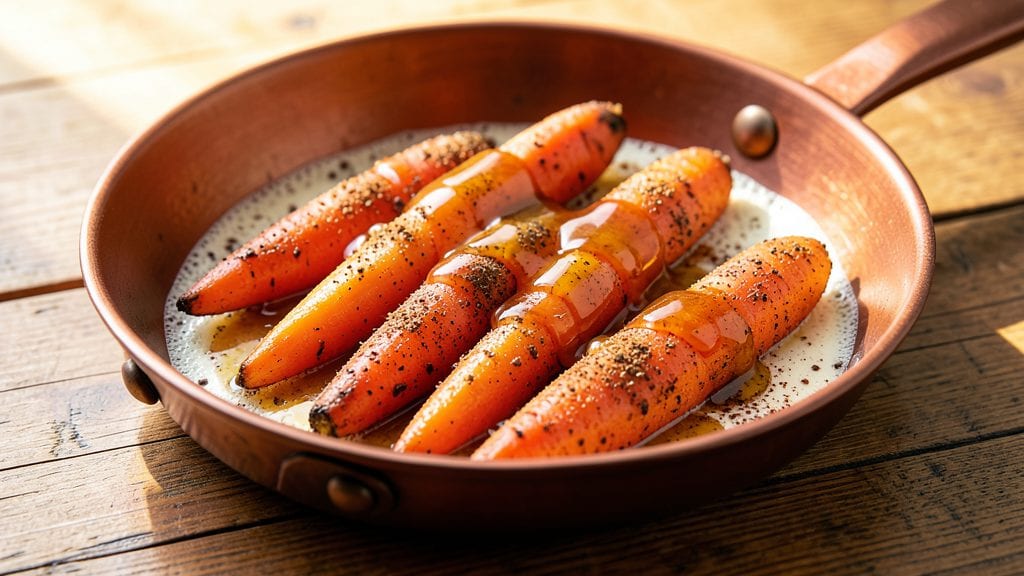
This copper carrots recipe transforms humble carrots into a showstopping side dish with deep caramelized edges and a sweet-spiced glaze that rivals any restaurant presentation. The secret lies in a precise balance of honey, spices, and high-heat searing that develops that signature copper hue and concentrated sweetness.
I perfected this technique after years of testing—it’s the kind of dish that elevates any meal from ordinary to extraordinary.
The process is surprisingly straightforward: pan-sear the carrots until tender, then glaze them with a mixture of honey, butter, and warm spices like cinnamon and cumin. This creates a rich, glossy finish that contrasts beautifully with the caramelized edges.
The result is a dish that’s equally impressive as a holiday centerpiece or a weeknight dinner companion.
What you’ll end up with is a plate of glossy, aromatic carrots that look as stunning as they taste—deep amber edges with a sticky-sweet glaze that clings to every bite. The spices add warmth without overpowering, while the caramelization brings out the carrots’ natural sweetness.
This is the kind of side dish that gets raves from guests and second helpings from everyone at the table.
Pair these copper carrots with grilled meats, roasted chicken, or even as a vegetarian main with a sprinkle of toasted nuts. The glaze also makes them perfect for meal prep—they reheat beautifully while maintaining their caramelized texture. Ready to master this technique? Let’s get started.
Ingredients for copper carrots
Eleven ingredients transform simple carrots into a restaurant-worthy side dish with caramelized edges and aromatic sweetness.
| Ingredient | Amount | Notes |
|---|---|---|
| Carrots 🥕 | 1 ½ lb | Medium, whole carrots peeled |
| Unsalted Butter 🧈 | 4 tbsp | Cold, cut into pieces |
| Honey 🍯 | ¼ cup | Wildflower or clover preferred |
| Ground Cinnamon 🌿 | 1 tsp | Freshly ground for warmth |
| Ground Cumin 🌿 | ½ tsp | Toasted for depth |
| Kosher Salt 🧂 | ½ tsp | Diamond Crystal preferred |
| Black Pepper 🌶️ | ¼ tsp | Freshly cracked |
| Extra-Virgin Olive Oil 🫒 | 1 tbsp | For high-heat searing |
| Fresh Thyme Leaves 🌿 | ¼ tsp | Chopped, or dried substitute |
| Orange Zest 🍊 | 1 tsp | Freshly grated |
| Orange Juice 🍊 | 1 tbsp | Freshly squeezed |
The quality of your carrots matters—organic, medium-sized with vibrant color yield the best results. Whole Foods Market or local farmers markets offer the freshest options, but standard grocery store carrots work fine if firm and free of blemishes. For the honey, local wildflower varieties provide the most complex flavor profile, though clover honey remains a reliable substitute. The butter should be cold and unsalted—this ensures proper caramelization without altering the delicate balance of flavors. Toast your cumin seeds briefly in a dry pan before grinding to enhance their aromatic qualities—this small step makes a noticeable difference in the final dish.
No fresh thyme? Dried thyme at one-quarter the amount works well, though fresh provides superior brightness. Substituting maple syrup for honey reduces sweetness slightly but maintains the caramelization process. For a citrus-free variation, increase honey to 3 tbsp and add 1/4 tsp vanilla extract. The orange zest and juice can be replaced with lemon at half the quantity, though orange provides a more complementary sweetness. If you're making this ahead, store the uncooked carrots in a sealed container with paper towels to maintain crispness for up to 3 days before cooking.
These carrots reheat beautifully—3-5 minutes in a 350°F oven restores their caramelized texture. For meal prep, store in airtight containers with parchment between layers to prevent sticking. The glaze keeps for 5 days refrigerated or 3 months frozen, though the texture may soften slightly upon reheating. Serve immediately after cooking for optimal presentation, as the caramelized edges begin to soften after 15 minutes at room temperature.
Why You'll Love This Recipe
- One-Pan Magic: I swear by this recipe when I’m too tired to scrub pots—just toss the whole carrots (peels on!) into a skillet with butter, and let them caramelize. The cumin and cinnamon cling to the edges like a spice hug, and by the time they’re tender, the kitchen smells like a bakery.
- Sweet-Savory Balance: That honey-butter glaze? It’s the star. The butter melts into the carrots while the honey caramelizes just enough to make them taste like dessert, but the cumin keeps it from being cloying. Honestly, I’ve had people ask if I added maple syrup—nope, just honey and a pinch of patience.
- Weeknight Side or Snack: These work as a quick side for grilled chicken or steak, or I’ll eat them straight from the pan when I’m craving something warm but not heavy. My kids even grab them for lunch—yes, even on a Tuesday—because they’re sweet enough to satisfy but simple enough to not feel like a treat.
- Budget-Friendly Pantry Staples: Carrots and spices are cheap, and butter and honey last forever. I make a big batch on Sundays, store them in the fridge for up to five days, and they’re always the first thing gone. Between us, this is how I stretch my grocery budget without sacrificing flavor.
Step-by-step instructions for copper carrots recipe
Transform ordinary carrots into caramelized copper masterpieces with this precise technique.
Prepare the Carrots for Perfect Browning
Begin by peeling the 1.5 lb carrots and cutting them into 3-inch lengths. Use a sharp chef's knife to make even diagonal cuts on both ends of each carrot—this creates a larger surface area for even browning. The cuts should expose the bright orange flesh without breaking the carrots.
Arrange the carrots on a baking sheet and let them sit at room temperature for 30 minutes before cooking. This step ensures even cooking throughout and prevents the carrots from steaming instead of searing. While they rest, you'll notice the cut edges begin to slightly dry, which is crucial for developing that signature copper crust.
Create the Spiced Butter Glaze
In a medium saucepan, melt the 4 tbsp unsalted butter over medium heat until completely liquid. Remove from heat and stir in the 0.25 cup honey, 1 tsp ground cinnamon, 0.5 tsp ground cumin, 0.5 tsp kosher salt, and 0.25 tsp black pepper. Whisk continuously until the mixture is smooth and fully combined, creating a fragrant spiced butter glaze.
Return the pan to low heat and add the 1 tsp orange zest and 1 tbsp orange juice. Simmer gently for 2 minutes, allowing the citrus flavors to meld with the spices. This aromatic compound will later infuse the carrots with bright, complex notes that balance their natural sweetness. Keep this mixture warm while you prepare the carrots for searing.
Sear the Carrots in Olive Oil
Heat the 1 tbsp extra-virgin olive oil in a large skillet over medium-high heat until shimmering. Working in batches to avoid crowding, add the carrots cut-side down and cook for 4-5 minutes until the edges develop a deep golden-brown crust. You'll see the oil bubbling vigorously around the carrots—this is your signal that the Maillard reaction is working.
Flip the carrots carefully with tongs and cook for another 3-4 minutes until the previously raw ends are also caramelized. The carrots should have a copper-like sheen and feel slightly crisp to the touch. Remove them to a plate and tent loosely with aluminum foil to keep warm while you prepare the final glaze.
Glaze and Finish with Fresh Thyme
Return the skillet to medium heat and add the warm spiced butter mixture. Swirl to coat the bottom of the pan, scraping up any browned bits that have formed. Add the seared carrots back to the skillet and toss gently to coat them evenly with the glaze. Cook for 1-2 minutes until the carrots are fully glazed and the honey has caramelized slightly.
Sprinkle the 0.25 tsp fresh thyme leaves over the carrots and toss once more to distribute. The thyme will release its aromatic oils as it warms, adding a subtle herbal note that complements the sweet-spiced profile. Cook for an additional 30 seconds until the thyme is fragrant and the glaze has thickened slightly to a glossy consistency.
Rest and Serve Immediately
Transfer the glazed carrots to a serving platter and let them rest for 2-3 minutes. This brief resting period allows the glaze to set slightly and the flavors to meld completely. The carrots should have a deep copper color at the edges with a glossy sheen from the caramelized honey glaze.
Serve immediately while still warm. The contrast of crispy caramelized edges with tender, sweet centers creates a perfect textural experience. These copper carrots pair beautifully with grilled meats, roasted vegetables, or as a stand-alone side dish that steals the show at any table.
Pro Tips For Making Copper Carrots
- Cut Carrots Evenly: Use a sharp knife and slice them into ¼-inch rounds—no thicker, no thinner. Thick chunks stay tough, while thin slices burn before caramelizing. I learned this the hard way when my first batch came out mushy in the middle.
- Brown the Butter First: Melt the butter until it’s nutty and golden before adding carrots—this adds depth. Skip this, and the dish tastes buttery but flat. (Yes, it’s extra work, but it makes a real difference.)
- Toss Spices Early: Whisk cinnamon and cumin into the honey before pouring it over the carrots. This ensures even coating and prevents clumping. I used to sprinkle them on top, and they’d just sit there like decorative confetti.
- Watch the Honey Heat: Start on medium-high, but once the carrots soften, drop to medium-low. Honey burns faster than you think, and once it does, the whole dish turns bitter. (Trust me, you’ll taste it.)
Dietary considerations for copper carrots
Gluten-Free Adaptation
This recipe is naturally gluten-free as written, but I always double-check ingredient labels to ensure no cross-contamination. The carrots, honey, butter, and spices are all gluten-free staples.
For extra safety, use certified gluten-free honey and check that your olive oil isn’t processed in shared facilities if you have severe gluten sensitivity. 🌱
Low-Sugar Options
For a lower-sugar version, reduce the honey to 2 tbsp and replace the remaining 2 tbsp with maple syrup or date syrup. You’ll still achieve caramelization, though the glaze will be slightly less glossy.
Alternatively, use monk fruit sweetener mixed with water to mimic honey’s viscosity—start with 1 tbsp and adjust to taste.
Vegan Substitutions
Swap the butter for vegan butter (like Miyoko’s) or coconut oil—both work well in the glaze. Use agave syrup instead of honey (same quantity) for vegan sweetness.
For depth, add 1 tsp vanilla extract to compensate for the missing dairy notes. The caramelization process remains identical, ensuring that signature copper finish. 🌿
Dairy-Free Adaptation
Replace the butter with an equal amount of olive oil or avocado oil—both provide the necessary fat for caramelization. For richness, add 1 tbsp nutritional yeast to the glaze for a cheesy, umami depth.
The texture will be slightly lighter, but the flavor remains robust and aromatic. Always use unsalted oils to control seasoning balance.
Allergen-Friendly Notes
If nut allergies are a concern, avoid garnishing with toasted nuts (like pecans or almonds) and stick to seeds (pumpkin or sunflower) for crunch. For citrus-sensitive individuals, omit the orange zest and juice, increasing the honey to 3 tbsp instead.
Always verify that your spices come from allergen-free facilities—brands like Penzeys offer clear labeling for common allergens. 🚫
Meal Prep Adaptations
For meal prep, cook the carrots as directed but hold off on the glaze until reheating. Store the seared carrots in an airtight container with parchment between layers for up to 3 days.
Reheat in a 350°F oven for 5-7 minutes, then toss with warmed glaze components (butter/honey mixture) to restore the glossy finish. This preserves texture and prevents sogginess. 📅
Nutrition facts
Frequently asked questions
Why do these carrots turn copper-colored?
The signature copper hue comes from the Maillard reaction during high-heat searing combined with caramelization from the honey glaze. The spices like cinnamon and cumin also contribute to the rich amber tones. The key is cooking the carrots at medium-high heat until they develop that deep golden crust.
Can I make this recipe without honey?
Yes! For a lower-sugar option, substitute 2 tbsp maple syrup or date syrup in place of the honey. You’ll still get caramelization, though the glaze will be slightly less glossy. For a sugar-free version, use monk fruit sweetener mixed with water to mimic honey’s viscosity.
How do I prevent the carrots from sticking to the pan?
Use a large skillet with enough oil (about 1 tbsp) to coat the bottom, and work in small batches to avoid crowding. Pat the carrots dry before searing and ensure your pan is properly heated. A nonstick skillet can also help, though cast iron works best for that signature crust.
What’s the best way to reheat these carrots?
Reheat in a 350°F oven for 5-7 minutes to restore the caramelized texture. For a quick fix, warm them in a skillet over medium heat for 2-3 minutes with a splash of water to prevent drying. Avoid microwaving—it makes the glaze soggy.
Can I use baby carrots for this recipe?
Baby carrots won’t develop the same dramatic copper crust because they lack surface area. Instead, use medium-sized whole carrots (about 3 inches long) cut into even lengths. The larger surface area is essential for the Maillard reaction that creates the signature color and texture.