Main Courses
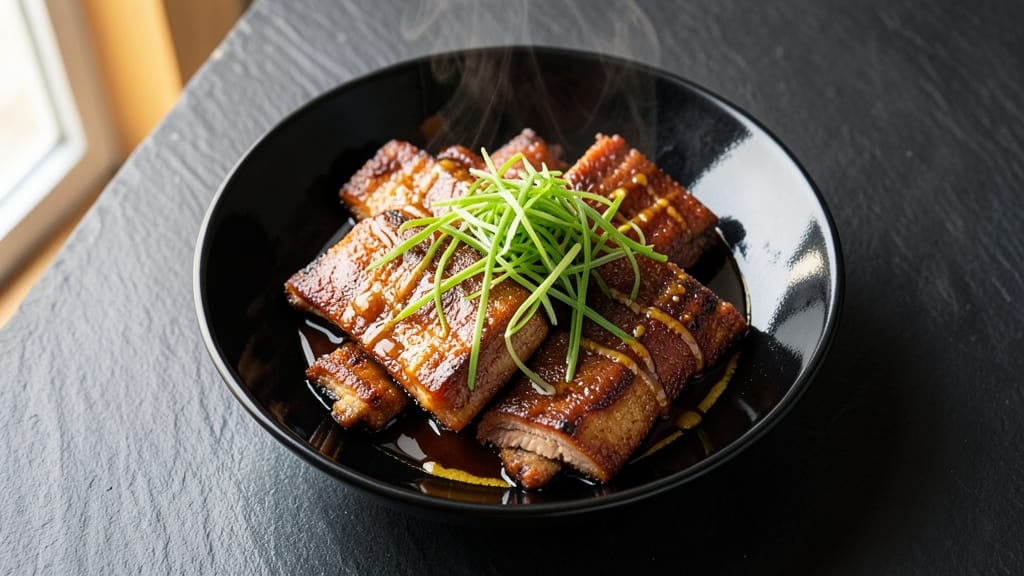
This Chinese fried spare ribs recipe delivers restaurant-quality crispy bites with a secret soy-ginger glaze that balances sweet, tangy, and umami flavors perfectly. After years of perfecting the technique—including double-frying for maximum crunch and sauce reduction for depth—I’ve created a method that works whether you fry or bake.
The key lies in the marinade and breading, which transform tough spare ribs into tender, golden, bite-sized perfection.
What sets this recipe apart is the foolproof combination of traditional techniques and modern shortcuts. You’ll marinate the ribs overnight for maximum flavor penetration, then coat them in a light, crispy batter that stays crunchy even after frying.
The soy-ginger glaze, reduced to a thick, glossy consistency, adds a sticky-sweet finish that makes every bite irresistible. This isn’t just a dish—it’s a full meal experience.
By the time you plate these ribs, you’ll have golden-brown, shatteringly crispy edges with tender meat inside, all glistening under a glossy glaze. Serve them over steamed jasmine rice, garnished with fresh scallions and sesame seeds, for a dish that’s both comforting and impressive.
The aroma alone will have everyone at the table asking for seconds before the first bite is taken.
The best part? This recipe scales effortlessly, whether you’re feeding a family or hosting a gathering. For those short on time, I’ve included an oven-baking alternative that delivers nearly the same crispiness with less mess.
Let’s get started on creating ribs that taste like they came straight from a Cantonese restaurant.
Ingredients for chinese fried spare ribs
Crispy ribs start with the right ingredients—juicy meat, aromatic marinade, and perfect batter.
| Ingredient | Amount | Notes |
|---|---|---|
| Spare Ribs 🍖 | 2 lb | Baby back or St. Louis style, cut into 1-inch pieces |
| Light Soy Sauce 🥄 | ½ cup | Kikkoman preferred for authentic flavor |
| Sesame Oil 🫒 | 1 tbsp | Toasted, for aroma |
| Ginger Root 🌿 | 2 tbsp | Freshly grated, not powdered |
| Garlic Cloves 🧄 | 6 cloves | Minced, fresh preferred |
| Honey 🍯 | 2 tbsp | Wildflower for depth |
| Rice Vinegar 🍶 | 1 tbsp | White vinegar substitute |
| Cornstarch 🌾 | ½ cup | For light, crispy batter |
| All-Purpose Flour 🌾 | ¼ cup | For batter adhesion |
| Large Eggs 🥚 | 2 whole | Room temperature, beaten |
| Vegetable Oil 🫒 | 2 cups | High smoke point for frying |
| Salt 🧂 | 1 ½ tsp | Kosher salt, coarse |
| Black Pepper 🌶️ | ½ tsp | Freshly cracked |
| Sesame Seeds 🌱 | 1 tbsp | Toasted for garnish |
| Green Onions 🧅 | 3 whole | Thinly sliced, for garnish |
The spare ribs are the foundation. Baby back ribs stay tender better than St. Louis style, but either works if cut into even 1-inch pieces. Costco or local butcher shops usually sell them pre-cut for convenience. For the marinade, Kikkoman soy sauce delivers that authentic umami punch—don't skimp on the quality. Fresh ginger and garlic are non-negotiable here; powdered versions just won't cut it. I always double-check that my ginger root is plump and firm, not shriveled. The honey should be wildflower or clover—avoid those overly processed varieties that taste like syrup.
No sesame oil? Toasted peanut oil at half the amount works in a pinch, though it'll have a different flavor profile. Running short on cornstarch? Arrowroot powder in a 1:1 swap gives the same crispiness. For the batter, King Arthur flour if you're picky about texture, but any all-purpose works fine. The eggs need to be room temperature—cold eggs won't bind properly. Pro tip: beat them in a separate bowl first, then mix with the dry ingredients. The vegetable oil should be refined, like Crisco or vegetable oil from the clear bottle—not the flavored kind from the salad dressing aisle.
Marinated ribs keep 2-3 days in the fridge, covered tightly. The batter mix can be prepped ahead and stored in the fridge for up to 24 hours—just give it a quick whisk before using. After frying, ribs stay crispy for about 30 minutes at room temperature, so serve immediately. For leftovers, reheat in a 200°F oven for 10-15 minutes—they won't be as crispy but still delicious. I always portion the glaze separately so I can drizzle it fresh before serving.
Why You'll Love This Recipe
- No-Fuss Prep: I swear, this takes less effort than ordering takeout. Toss the ribs in a marinade of soy, ginger, and garlic—no fancy cuts, no peeling bones—and they’re ready for the pan in 10 minutes. Honestly, the hardest part is deciding whether to use baby back or spare ribs.
- Umami Bomb: That crispy, caramelized crust? It’s all thanks to the sesame oil and light soy sauce working their magic. The garlic and ginger hit just right—not overpowering, but enough to make you crave another bite. (Yes, even on a Tuesday night.)
- Leftovers That Shine: These ribs reheat like a dream—toss them in the oven with a splash of water, and they’re just as good the next day. Between us, I’ve turned them into fried rice, ramen, or even a quick stir-fry without breaking a sweat.
- Budget-Friendly Feast: Spare ribs are cheaper than chicken thighs, and this recipe stretches them across meals. Double the batch, freeze half, and you’ve got a weeknight savior. My daughter picks out the best pieces, but still asks for seconds—proof it’s a winner.
Step-by-step instructions for Chinese fried spare ribs
Here's how to achieve that perfect balance of golden, shatteringly crisp ribs with a tender interior and addictive soy-ginger glaze.
Marinate the Spare Ribs in the Soy-Ginger Glaze
In a large bowl, combine the 2 lb spare ribs, 0.5 cup light soy sauce, 2 tbsp freshly grated ginger root, 6 minced garlic cloves, 2 tbsp honey, and 1 tbsp rice vinegar. Mix thoroughly until every piece of meat is completely coated in the marinade. This isn't just flavor—it's the foundation for that signature Chinese restaurant taste.
Transfer the ribs to a resealable plastic bag and massage the marinade into the meat, ensuring it penetrates all the way through. Let them marinate in the refrigerator for at least 4 hours, or preferably overnight. The longer they marinate, the more deeply the flavors will infuse. You'll know it's working when you smell that aromatic blend of soy, ginger, and garlic wafting from your fridge.
Prepare the Light Batter for Extra Crispiness
In a medium bowl, whisk together the 0.5 cup cornstarch, 0.25 cup all-purpose flour, 1.5 tsp salt, and 0.5 tsp black pepper. This dry mixture is what will create that signature crispy exterior. In a separate bowl, beat the 2 whole large eggs until just combined but still slightly lumpy—over-whisking will make the batter too thin.
Create two stations: one with the dry batter and one with the beaten eggs. This double-dipping technique ensures maximum crispiness. The cornstarch is particularly important here—it creates a lighter, crispier coating than flour alone would provide. Keep both mixtures at room temperature while you prepare to fry, as cold ingredients can make the batter clump.
Heat the Oil and Fry the Ribs in Batches
Fill a deep pot or Dutch oven with 2 cups vegetable oil and heat it over medium-high heat until it reaches 350°F. Use a deep-fry thermometer to monitor the temperature—this is crucial for achieving that perfect crispy texture without burning the exterior. If you don't have a thermometer, test with a small piece of battered rib: it should sizzle vigorously and float to the surface within 10 seconds.
Working in batches (you'll need about 2-3 batches depending on your pot size), remove the ribs from the marinade, letting any excess drip off, then dredge each piece first in the flour mixture, shaking off the excess, then in the egg wash, and finally back in the flour mixture. This triple-coating ensures maximum adhesion and crispiness. Fry for 3-4 minutes per batch until the ribs are deep golden brown and floating. Use a slotted spoon to transfer them to a paper towel-lined plate to drain excess oil.
Rest and Garnish for Maximum Crispiness
Let the fried ribs rest on the paper towels for 2-3 minutes before serving. This brief resting period allows the exterior to set and become even crispier. While they rest, toast the 1 tbsp sesame seeds in a dry skillet over medium heat for 1-2 minutes until fragrant and golden. Thinly slice the 3 whole green onions for garnish.
To serve, sprinkle the toasted sesame seeds and sliced green onions over the crispy ribs. The contrast of textures—crispy exterior, tender interior, and delicate garnishes—is what makes this dish so irresistible. Serve immediately while the ribs are at their peak crispiness, with extra soy-ginger glaze on the side for dipping if desired. The secret to maintaining that perfect crunch? Serve them hot and enjoy right away.
Pro Tips For Making Chinese Fried Spare Ribs
- Blister First, Then Fry: Get those ribs screaming hot in a dry pan for 2-3 minutes until the skin cracks and turns opaque—this seals in moisture better than any marinade. I used to skip this, and my ribs always ended up greasy and unevenly cooked.
- Mince Ginger Like Snow: Use a microplane or the side of your knife to turn ginger into a fine paste, not just chopped bits—this dissolves into the sauce for a smoother, more aromatic bite. My grandmother swore by this, and she was right: it makes a real difference in the flavor payoff.
- Don’t Crowd the Pan: Fry ribs in batches if needed—overloading the pan steams them instead of searing, and you’ll end up with soggy edges. I learned this the hard way after a disastrous batch where the oil turned into a sad, bubbling soup instead of a crispy gold blanket.
- Save the Sesame Oil: Add sesame oil only at the very end—just a teaspoon—so it doesn’t burn off in the frying process. Drizzle it over the finished dish instead; it’ll perfume the ribs like a whisper of magic. (Yes, even if you’re impatient like me.)
Make-ahead tips for this dish
Marinade Prep Ahead
Prepare the soy-ginger marinade up to 3 days in advance and store it in an airtight container in the fridge. This gives the flavors time to meld beautifully without the meat.
I like to make a double batch—I use half for the ribs and save the other half for quick stir-fries or glazes. Just be sure to add the fresh ginger and garlic right before using the marinade on the ribs, as pre-minced versions lose their punch over time. 🌿
Marinated Ribs Storage
Marinated ribs keep exceptionally well in the fridge for 3-4 days, sealed tightly in a resealable bag or container. The longer they marinate, the deeper the flavor, but don’t exceed 4 days—the meat can start to absorb too much liquid and become mushy.
When ready to cook, pat the ribs dry with paper towels before breading to ensure maximum crispiness. I always label the bag with the date to keep track.
Batter Mix Prep
The cornstarch batter can be mixed and stored in the fridge for 24 hours in advance, covered with plastic wrap pressed directly on the surface to prevent a skin from forming. When ready to use, give it a quick whisk to restore its consistency.
For extra crispiness, I like to add 1 tsp baking powder to the batter mix—it creates tiny air pockets that make the coating even lighter. Just don’t store the batter with baking powder for more than 12 hours, as it can lose its lift. 🥄
Glaze Reduction Shortcut
Reduce the soy-ginger glaze in advance and store it in a small airtight container in the fridge for up to 1 week. This is my favorite time-saver—just reheat it in a small saucepan over medium heat until it reaches a thick, glossy consistency again.
For a restaurant-style finish, strain the glaze through a fine-mesh sieve to remove any impurities before reheating. I also keep a small jar of the glaze in the freezer for quick meals—just thaw it in the microwave for 20 seconds before reheating.
Frying in Advance
If you’re prepping for a large gathering, fry the ribs up to 2 hours ahead and keep them warm in a 200°F oven on a wire rack set over a baking sheet. This maintains some crispiness while keeping them warm.
For best results, reheat them in a skillet over medium heat for 1-2 minutes per side to restore that golden crunch. I’ve even successfully reheated them in the air fryer at 375°F for 3-4 minutes—just don’t expect the same level of crispiness as freshly fried.
Garnish Prep
Toast the sesame seeds and slice the green onions ahead of time to save 5 minutes during the final steps. Store them separately in small containers or bags—sesame seeds keep their aroma for 1 week in the fridge, while sliced green onions stay fresh for 3-4 days.
Just before serving, give the sesame seeds a quick toast in a dry skillet to revive their flavor. This small effort makes a big difference in presentation and taste. ✨
Nutrition facts
Frequently asked questions
Can I use pork shoulder instead of spare ribs for this recipe?
While pork shoulder can work, it won't give you the same tender, bite-sized results. Spare ribs are specifically cut for this technique and stay juicy during frying. If you must substitute, cut the pork shoulder into 1-inch cubes and marinate for 6-8 hours instead of overnight to prevent toughness. For best results, stick with baby back or St. Louis style ribs.
How do I prevent the ribs from getting soggy after frying?
Sogginess happens when moisture gets trapped in the batter. Always pat the ribs very dry before breading, and fry them in small batches at 350°F for 3-4 minutes until golden brown. Let them rest on a wire rack (not paper towels) for 2-3 minutes to evaporate excess moisture. For extra crispiness, fry them a second time at 375°F for 1 minute right before serving.
What's the best way to adjust this recipe for an air fryer?
For air fryer ribs, toss the breaded pieces with 1 tbsp vegetable oil and cook at 375°F for 12-15 minutes, shaking the basket every 5 minutes. They won't be as crispy as deep-fried, but the technique works well. For extra crunch, spray with oil halfway through cooking. The glaze should be applied after air frying while the ribs are still hot.
Can I make this recipe gluten-free?
Yes! Replace the all-purpose flour with 0.25 cup gluten-free flour blend and use 0.5 cup cornstarch** for the batter. For the marinade, ensure your soy sauce is tamari-based. The texture will be slightly different but still delicious. Test small batches first to adjust seasoning—gluten-free batters can sometimes absorb flavors differently.
What's the secret to getting that perfect golden-brown color?
The golden color comes from three things: hot oil (350°F), double-dipping in batter, and frying in batches without crowding. Use a thermometer to maintain oil temperature, and don't overcrowd the pot—this lowers the oil temperature and makes the ribs steam instead of fry. For extra shine, brush the cooked ribs with a tiny bit of sesame oil before serving.