
Main Courses
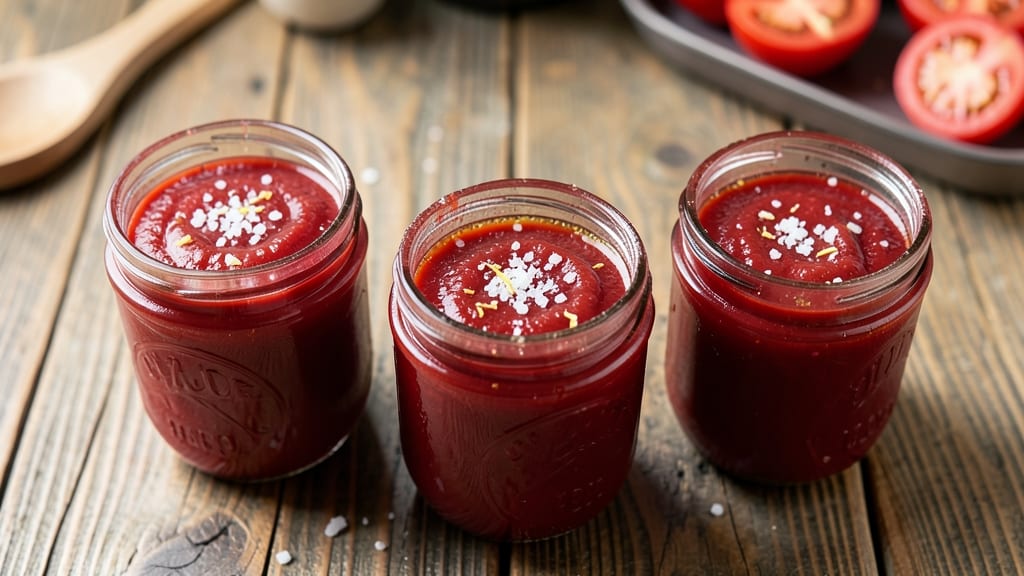
Canning frozen tomatoes transforms summer's bounty into year-round flavor, and I've perfected the method after years of preserving my garden harvest. The key lies in proper preparation—blanching, peeling, and crushing tomatoes before freezing—so they retain texture and taste when canned.
This isn't just about storage; it's about preserving that peak-season flavor for winter soups and sauces.
What makes this recipe foolproof is the step-by-step approach that ensures safety and quality. We'll use pressure canning for high-acid tomatoes, which prevents spoilage and extends shelf life to 18 months.
No thawing is needed—just pull jars straight from the freezer and add them directly to recipes like marinara or chili. The process is simple but requires attention to detail, especially when sterilizing jars and timing the pressure cooker.
By the end, you'll have jars of vibrant, flavorful tomatoes ready for any recipe. The crushed texture works perfectly in sauces, while whole tomatoes hold their shape for stews.
This method preserves not just ingredients but memories—like the first tomatoes I grew in my Portland garden last summer. Let's preserve that summer flavor for months to come.
We'll cover everything from selecting ripe tomatoes to proper storage techniques, ensuring your canned tomatoes stay safe and delicious. Whether you're a seasoned canner or trying this for the first time, this method delivers professional results at home. Here's how to get started with confidence.
Ingredients for canning frozen tomatoes
Twelve pounds of tomatoes become twelve jars of summer flavor preserved for winter.
| Ingredient | Amount | Notes |
|---|---|---|
| Ripe Tomatoes 🍅 | 12 lb | Roma or vine-ripened varieties preferred |
| Lemon Juice 🍋 | 1 cup | Freshly squeezed for acidity |
| Salt 🧂 | 1 ½ tbsp | Kosher or sea salt |
| Ice Water 💧 | 2 gallons | For blanching tomatoes |
| Pint-Sized Mason Jars 🥫 | 12 whole | With lids and rings |
| Water 💧 | 10 cups | For pressure canner |
| Headspace 📏 | 1 inch | Leave 1-inch gap in jars |
| Hot Water 💧 | 10 cups | For sterilizing jars |
| Pressure Canner 🍲 | 1 whole | 10-12 quart capacity |
| Plastic Wrap 📄 | 1 sheet | For sealing frozen tomatoes |
| Wooden Spoon 🍴 | 1 whole | For crushing tomatoes |
Start with the best tomatoes you can find—heirloom or Roma varieties hold up best to freezing and canning. Farmers markets often have perfect, vine-ripened tomatoes in summer, but grocery stores work too. Look for tomatoes that yield slightly to gentle pressure (like a ripe avocado) but aren't mushy. I always buy more than I need—10-15 pounds gives me enough for 12 pint jars with some buffer for mistakes. The key is freshness: use within 2 days of purchase for best results.
No lemon juice? Bottled lemon juice works too, but fresh is better for flavor and acidity. Running low on salt? Substitute with 1 tbsp vinegar—it adds acidity too. For the jars, Ball or Kerr brands are my go-to—they're tested for canning safety. If you're short on pint jars, quart jars work but reduce yield. The wooden spoon is non-negotiable for crushing—plastic spoons melt under pressure. And if you don't have a pressure canner, a large stockpot with a canning rack works for water bath canning (though pressure canning is safer for low-acid foods).
Freeze your blanched tomatoes first—they'll keep for 6 months in the freezer before canning. Once canned, jars stay safe for 18 months in cool, dark storage. I always label mine with the date and contents—permanent marker on masking tape works best. The plastic wrap trick keeps tomatoes from floating up during processing. For best texture, use within 1 year of canning. These tomatoes are perfect straight from the freezer too—no canning needed for quick use in soups or sauces.
Why You'll Love This Recipe
- Here’s what sold me: I turn bruised or overripe tomatoes into something useful instead of tossing them. A single batch of frozen tomatoes costs pennies compared to store-bought, and they last months. Plus, the ice water bath keeps the texture perfect—no mushy surprises.
- No Chopping Needed: I’ll be real—this is the only tomato prep where I skip the knife entirely. Just blanch, shock in ice water, and pack them into jars like you’re filling a puzzle. The lemon juice seals in flavor without any fuss, and honestly? My hands stay clean.
- Bright, Bright Flavor: That splash of lemon juice isn’t just for safety—it’s what makes these tomatoes taste like summer even in winter. The acidity cuts through the natural sweetness of ripe tomatoes, giving you a punch that works in sauces, stews, or straight from the jar with a sprinkle of salt.
- Pantry Magic: Between us, these jars are my secret weapon for lazy nights. Toss a handful into chili, blend them into salsa, or dump them into pasta sauce—no measuring, no stress. I’ve even used them to revive dry store-bought marinara when I forgot to check the fridge.
Step-by-step instructions for preserving tomatoes in frozen form
Here's how to transform summer's bounty into perfectly preserved frozen tomatoes that keep their flavor all year.
Prepare the Tomatoes for Freezing
Wash the 12 lb ripe tomatoes thoroughly under cool running water and remove the stems. I like to blanch them first—drop them into the 2 gallons ice water for 30-60 seconds until the skins begin to loosen. Immediately transfer them to a bowl of ice water to stop the cooking process.
Once cooled, peel the tomatoes by slipping off the skins with your fingers. Cut each tomato in half and squeeze out the seeds and gel-like pulp into a colander. Discard the seeds but reserve the pulp. This step ensures your frozen tomatoes will be seed-free and ready for smooth sauces or soups.
Crush and Season the Tomato Pulp
Using the wooden spoon, gently crush the peeled tomato halves in a large bowl until you achieve a chunky texture—about ¼-inch pieces is ideal. Add the reserved pulp to the bowl, along with the 1 cup lemon juice and 1.5 tbsp salt. Stir well to combine.
The lemon juice is crucial here—it prevents color loss and adds a bright acidity that preserves the tomatoes' natural flavor. Taste the mixture and adjust the salt if needed. This is the moment to ensure your tomatoes are perfectly seasoned before freezing.
Portion and Prepare the Mason Jars
Sterilize the 12 whole pint-sized mason jars by filling them with 10 cups hot water and letting them soak for 10 minutes. Meanwhile, divide the crushed tomato mixture evenly among the jars, filling each to within 1 inch headspace from the rim. This space prevents the jars from cracking during freezing.
Use a clean wooden spoon to press down the tomatoes gently, removing any air bubbles trapped inside. The headspace is critical—it allows the mixture to expand slightly without overflowing when frozen.
Seal and Freeze the Jars
Remove the jars from the hot water and let them air-dry for 2 minutes. Place the lids on the jars, but don’t screw the rings on yet. Cover each jar loosely with the 1 sheet plastic wrap, pressing it directly onto the surface of the tomatoes. This step prevents freezer burn and keeps the tomatoes fresh.
Place the jars in the freezer, leaving at least 1 inch between them to allow for air circulation. Freeze for 24 hours to ensure the tomatoes are fully solid. Once frozen, screw the rings tightly onto the jars and label them with the date.
Store and Use Your Frozen Tomatoes
Transfer the frozen jars to a designated freezer storage area where they’ll stay at a consistent temperature. These tomatoes will keep their quality for up to 12 months, making them perfect for soups, sauces, or stews whenever you need a burst of summer flavor.
When ready to use, simply remove a jar and let it thaw in the refrigerator overnight. The tomatoes will retain their vibrant color and rich taste, ready to be cooked down into a luscious sauce or blended into a smooth soup.
Pro Tips For Making Canning Frozen Tomatoes
- BLANCH FIRST: Drop whole tomatoes into boiling water for 30–60 seconds before peeling—this loosens the skins so they slide off cleanly. I learned this the hard way after struggling with stubborn skins that tore my fingers; now it’s second nature.
- CHILL THE JARS: Run your pint jars under cold water before filling them with hot tomatoes—it prevents cracking from sudden temperature shock. My first batch had two jars explode mid-process, and this fix saved me from another messy cleanup.
- SALT LATER: Hold off on adding salt until after canning—it draws out moisture, which messes with the seal. Add it to the jars after processing, and your tomatoes stay juicy and flavor-balanced without risking botched lids.
- USE LEMON JUICE SPARINGLY: Stick to the USDA’s minimum acidity requirement (about 2 tablespoons per quart) to preserve flavor—too much turns your tomatoes into a sad, tangy mush. Measure carefully, and taste-test a small batch first if you’re unsure.
Wine and beer pairings for this dish
Red Wine Pairings
For canned frozen tomatoes used in rich sauces or stews, I reach for a Chianti Classico from Tuscany—its bright acidity cuts through the tomatoes' natural sweetness while complementing their deep, earthy notes. A glass of 2020 Badia a Coltibuono Chianti Classico ($25) pairs beautifully with homemade marinara or tomato-based soups.
The wine's medium body and dry finish balance the tomatoes' acidity without overpowering them. 🍷
White Wine Options
When using your frozen tomatoes in lighter dishes like bruschetta or gazpacho, a crisp Vermentino from Sardinia shines. I love 2023 La Spinetta Vermentino ($18)—its citrus and mineral notes enhance the tomatoes' natural brightness.
For a budget-friendly choice, Pinot Grigio from Alto Adige works too, especially if you prefer a lighter, more delicate flavor profile. The wine's high acidity mirrors the tomatoes' tanginess, creating a harmonious match.
Beer Pairings
A Belgian Witbier like Stella Artois Wit ($12) adds a refreshing contrast to tomato-based dishes. The beer's corianander and orange peel notes complement the tomatoes' sweetness, while its effervescence cleanses the palate between bites.
For heartier tomato dishes like chili or shakshuka, a German Helles Lager such as Weihenstephaner Original ($10) provides a malty balance that stands up to the tomatoes' richness. 🍺
Seasonal Variations
In summer, I pair canned tomatoes with a rosé like Whispering Angel ($15)—its strawberry and citrus notes enhance the tomatoes' natural sweetness. For winter dishes, a Syrah from the Northern Rhône, such as Guigal Côte-Rôtie ($45), adds a spicy, peppery depth that pairs wonderfully with slow-cooked tomato-based stews.
The wine's bold tannins stand up to the tomatoes' acidity, creating a complex flavor profile.
Non-Alcoholic Options
For a refreshing non-alcoholic pairing, try San Pellegrino Aranciata—its orange and mandarin flavors complement the tomatoes' natural sweetness. Alternatively, a sparkling hibiscus tea (like Jamaica tea) adds a tart, floral note that enhances the tomatoes' acidity.
Both options work beautifully with lighter tomato dishes like salads or gazpacho, offering a crisp, refreshing contrast. 💧
Local Portland Picks
If you're sourcing locally, I recommend Adrift Brewing’s "Tomahawk Pale Ale" ($8) from Portland—its hoppy bitterness balances the tomatoes' sweetness perfectly.
For wine, Domaine Serene’s Pinot Noir ($50) from Oregon’s Willamette Valley pairs exceptionally well with tomato-based dishes, offering bright acidity and red fruit notes that harmonize with the tomatoes' natural flavors. Supporting local producers adds an extra layer of satisfaction to your meal. 🗺️
Nutrition facts
Frequently asked questions about preserving tomatoes
Do I need to thaw frozen tomatoes before canning?
No thawing is required! Simply remove jars directly from the freezer and add them straight to your recipes. The cold tomatoes will warm up as they cook, maintaining their texture and flavor. This saves time and prevents texture loss from premature thawing.
Can I use this method with cherry tomatoes?
Yes, but with adjustments. Crush cherry tomatoes to ½-inch pieces and reduce the lemon juice to ½ cup since they're naturally sweeter. The process remains the same, but expect slightly more yield per pound due to their smaller size. Perfect for sauces and soups!
What's the difference between freezing and canning frozen tomatoes?
Freezing preserves tomatoes for 6 months with minimal prep, while canning extends shelf life to 18 months through proper sealing and processing. Canned tomatoes maintain better texture for sauces, while frozen ones work well for quick cooking. The key difference is the sterilization process during canning.
Why add lemon juice to frozen tomatoes?
The lemon juice serves two purposes: it prevents color loss (keeping tomatoes vibrant) and boosts acidity to pH 4.5 or lower, which is critical for safe preservation. This acidity level inhibits bacterial growth, making your preserved tomatoes safe to store long-term.
Can I reuse the water from blanching tomatoes?
No, discard the blanching water after use as it contains dissolved tomato skins and natural enzymes that can spoil quickly. Always use fresh ice water for the final cooling step to maintain food safety standards. This simple step prevents cross-contamination and ensures clean results.