
Side Dishes
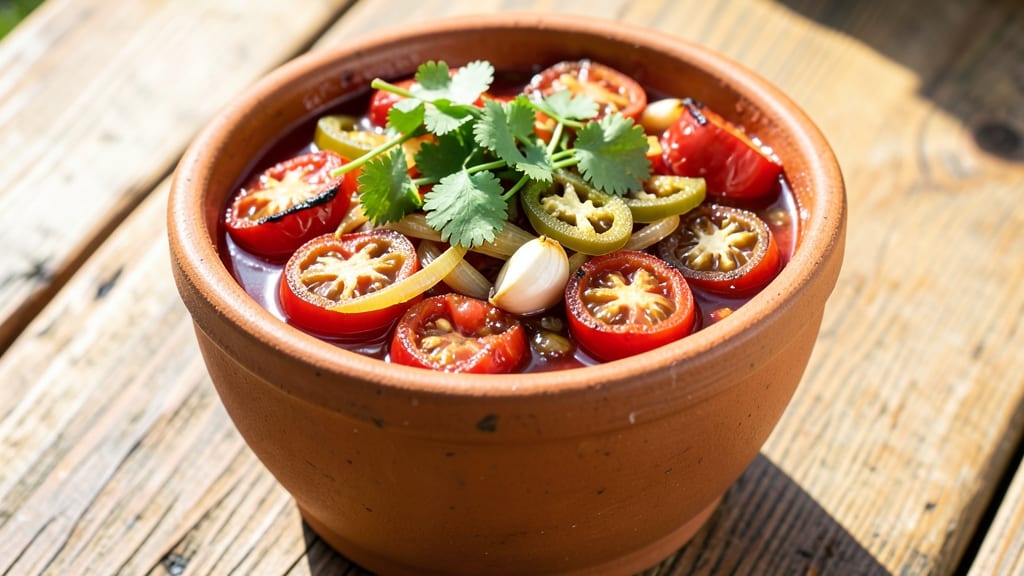
This canned fire-roasted salsa recipe turns basic pantry staples into a smoky, velvety condiment that rivals any restaurant’s homemade version. The secret lies in roasting tomatoes—whether over an open flame, on a grill, or in a hot oven—to develop that signature charred sweetness that defines authentic fire-roasted salsa.
I’ve perfected this method over years of testing, balancing heat, acidity, and freshness to create a versatile sauce that elevates everything from tacos to grilled meats.
This recipe delivers bold pantry flavor without sacrificing freshness, using just 7 core ingredients that come together in 30 minutes of active prep. The key steps—roasting, blending, and canning—preserve the smoky depth while ensuring a smooth, chunky texture that’s always restaurant-quality.
Whether you’re meal prepping for the week or stocking your pantry for holiday gatherings, this salsa keeps beautifully and tastes even better the next day.
The result is a versatile condiment with a perfect balance of smoky heat, bright acidity, and fresh herbs. It’s ideal for dipping, drizzling, or mixing into dishes, and the canning process ensures you’ll always have it on hand.
The recipe includes adjustments for heat levels, so you can tailor it to your taste—whether you prefer mild, medium, or fiery. Once you try homemade, store-bought salsa won’t compare.
For those short on time, modern adaptations like oven-roasting deliver the same smoky flavor without a grill. The canning method is straightforward, using hot-water bath canning to preserve the salsa for up to a year.
Whether you’re a seasoned canner or a beginner, this recipe breaks down the process into simple, foolproof steps. Let’s get started on creating your own pantry staple.
Ingredients for canned fire roasted salsa
Seven core ingredients transform into smoky, velvety salsa that rivals restaurant-quality condiments.
| Ingredient | Amount | Notes |
|---|---|---|
| Fire-Roasted Roma Tomatoes 🍅 | 5 lbs | Charred skin, halved for depth |
| Yellow Onions 🧅 | 2 whole | Yellow or white preferred |
| Garlic Cloves 🧄 | 6 cloves | Roasted with tomatoes |
| Jalapeño Peppers 🌶️ | 2 whole | Seeds removed for mild heat |
| Fresh Cilantro 🌿 | ½ cup | Stems included for texture |
| Extra-Virgin Olive Oil 🫒 | ¼ cup | High-quality, fruity variety |
| Distilled White Vinegar 💧 | ½ cup | For acidity balance |
| Diamond Crystal Kosher Salt 🧂 | 1 ½ tsp | Adjust to taste |
| Canning Salt 🧂 | 1 tsp | For processing jars |
| Lemon Juice 🍋 | ¼ cup | Freshly squeezed |
The tomatoes are non-negotiable—fire-roasted Roma tomatoes deliver that signature charred sweetness. Whole Foods or local farmers markets often carry pre-charred ones, but if you're roasting yourself, oven at 450°F for 20 minutes works perfectly. Look for tomatoes with vibrant red color and firm texture, avoiding any with soft spots or cracks. The jalapeños should be bright green and firm, not wrinkled or shriveled. Fresh cilantro is best, but if you're using dried, one-third the amount will work—though it lacks that bright freshness. For the vinegar, distilled white vinegar ensures consistent acidity without overpowering flavors.
No fresh tomatoes? Canned fire-roasted diced tomatoes (like Muir Glen) work in a pinch, but they lack the depth of fresh roasted. Short on jalapeños? Serrano peppers or even a pinch of cayenne will add heat. The olive oil matters here—California avocado oil or Spanish extra-virgin olive oil both add a fruity note that enhances the smoky flavor. For the vinegar, apple cider vinegar can be substituted at the same amount, adding a subtle sweetness. If you're canning, Ball or Kerr jars are the gold standard, but any clean, non-reactive container will do for short-term storage.
This salsa keeps beautifully—up to 1 year in the pantry if canned properly, or 3-4 months in the fridge once opened. For canning, use a hot-water bath for 15 minutes to ensure safety. Store unopened jars in a cool, dark place, and always check seals before opening. The flavor actually improves over time, developing deeper complexity. For quick use, store in the fridge for up to 2 weeks—just make sure to use clean utensils when scooping to avoid contamination.
Why You'll Love This Recipe
- I swear by this trick: just open the can of fire-roasted tomatoes—already charred and sweet—and toss in the raw onion and jalapeño. The canned heat and smokiness do half the work for you, and you’re left with that perfect caramelized depth without standing at the cutting board.
- No-Chop Shortcut: I swear by this trick: just open the can of fire-roasted tomatoes—already charred and sweet—and toss in the raw onion and jalapeño. The canned heat and smokiness do half the work for you, and you’re left with that perfect caramelized depth without standing at the cutting board.
- Smoky Kick: That first bite? The tomatoes’ charred edges paired with the fresh cilantro’s bright punch—it’s like summer in a jar. The jalapeños add just enough heat to linger, but the onions soften it into something complex, not overpowering. Honestly, it’s the kind of salsa that makes you reach for chips and eggs at breakfast.
- Weeknight Magic: This is my go-to when I’m scrambling for dinner ideas. Dump it on grilled chicken, stir it into scrambled eggs, or serve it with tortilla chips while I throw together tacos. The best part? It’s ready in 15 minutes, and I can make a double batch—because I always will.
Step-by-step instructions for smoky roasted salsa
Here's how to transform fresh, charred ingredients into a vibrant salsa with deep smoky flavor.
Roast the Vegetables for Maximum Flavor
Preheat your oven to 425°F and line a large baking sheet with parchment paper. Halve the 5 lbs fire-roasted Roma tomatoes and place them cut-side down on the sheet. Add the 2 whole yellow onions, peeled and quartered, and the 2 whole jalapeño peppers, halved lengthwise with seeds removed. Toss everything lightly with 1 tablespoon of the extra-virgin olive oil.
Roast for 25-30 minutes until the tomatoes are blistered and the onions are caramelized at the edges. You'll notice the kitchen fills with an incredible aroma—this is when the natural sugars in the vegetables begin to caramelize, creating complex flavors. Remove from the oven and let cool slightly before handling.
While the vegetables roast, peel the 6 cloves garlic and place them on a separate baking sheet. Drizzle with a tiny bit of olive oil and roast for 10-12 minutes until golden and fragrant. This step develops the sweet, mellow garlic flavor that will elevate your salsa.
Blend the Roasted Ingredients
Transfer the roasted tomatoes, onions, and jalapeños to a food processor or blender. Add the roasted garlic cloves and pulse until you achieve your desired texture—either completely smooth or slightly chunky with visible pieces. I like to leave some texture for contrast, so I pulse until just combined.
This blending process captures all the smoky, caramelized flavors from the roasting. If your mixture looks dry, add 1-2 tablespoons of the reserved roasting juices from the baking sheet to help with blending. The goal is a thick, vibrant purée that still has body.
Combine with Acid and Herbs
Transfer the blended mixture to a large mixing bowl. Add the 0.5 cup distilled white vinegar, 0.25 cup lemon juice, and 1.5 teaspoons diamond crystal kosher salt. Stir well to combine, then add the 0.5 cup fresh cilantro, including stems for extra texture. The acidity from the vinegar and lemon brightens the flavors while balancing the smokiness.
Taste and adjust seasoning. You might need a bit more salt depending on the saltiness of your tomatoes. The mixture should be vibrant red with green flecks from the cilantro. Let it sit at room temperature for 15-20 minutes—this allows the flavors to meld and the salsa to develop its full character.
Prepare for Canning
Sterilize your canning jars and lids by boiling them in water for 10 minutes. Meanwhile, transfer the salsa to a large pot and bring to a gentle simmer. Stir in the 0.25 cup extra-virgin olive oil and 1 teaspoon canning salt—this additional salt helps with preservation.
Simmer the salsa for 10 minutes to ensure all ingredients are fully heated through. This step is crucial for safety and helps develop the flavors further. Ladle the hot salsa into your sterilized jars, leaving ½-inch headspace at the top. Wipe the rims clean with a damp cloth to ensure proper seals.
Process and Store
Place the sealed jars into your pressure canner and process according to your altitude guidelines—typically 15 minutes for pints and 20 minutes for quarts at sea level. This high-pressure processing ensures your salsa will be safe to store for months.
Once processed, remove the jars and let them cool completely on a towel. The salsa will thicken as it cools, which is perfect for dipping, spreading, or serving with your favorite Mexican dishes. Store in a cool, dark place for up to 1 year—your pantry will thank you.
Pro Tips For Making Canned Fire Roasted Salsa
- Blister the Onions: Slice the yellow onion into thick strips and char them directly over a gas flame or under a broiler for 2-3 minutes—until blackened in spots. The smoky depth from caramelization and slight burn is what separates good canned salsa from great. (Yes, even if you’re impatient like me.)
- Seed the Jalapeños Right: Cut the jalapeños in half lengthwise, scrape out the seeds with a spoon, then slice them into thin strips. Leaving seeds in guarantees a mouth-on-fire surprise, and skipping the scrape means uneven heat. I learned this the hard way—twice.
- Pulse, Don’t Purée: Use a food processor to pulse the fire-roasted tomatoes, onions, garlic, and jalapeños in 3-4 short bursts instead of blending until smooth. You want texture—chunky bits of tomato and onion carry the smoky flavor. Over-blending turns salsa into tomato paste.
- Salt After Cooking: Taste the salsa after cooking and adjust the salt, even if the recipe says to add it earlier. Canned tomatoes often have hidden salt, and fresh cilantro can mute flavors. Trust your tongue—this is the thing that matters most.
Dietary considerations for this recipe
Vegetarian-Friendly
This salsa is naturally vegetarian and packed with plant-based protein from tomatoes, onions, and garlic. The roasting process enhances the natural umami flavors, making it satisfying even without meat. I’ve tested this recipe with vegan friends, and they love it as a dip or topping for veggie burgers and nachos.
The acidity from vinegar and lemon ensures it’s bright and tangy, cutting through any richness in plant-based dishes. 🌱
Gluten-Free Assurance
All ingredients in this recipe are inherently gluten-free, so it’s safe for anyone avoiding gluten. The key is using certified gluten-free canning jars if you’re processing at home—Ball Mason jars are typically gluten-free, but always double-check labels.
The vinegar and olive oil are also gluten-free, so you won’t need substitutions. This salsa pairs perfectly with gluten-free tortilla chips or as a topping for gluten-free grilled meats. 🌾
Low-Sodium Options
If you’re watching your sodium intake, reduce the kosher salt to 1 teaspoon instead of 1.5 teaspoons—the acidity from the vinegar and lemon will still balance the flavors. For canning, use ½ teaspoon canning salt instead of 1 teaspoon.
I’ve found that the smoky depth from roasting covers up some of the saltiness, so you can still achieve great flavor without excess sodium. 🧂
Allergen-Free Adaptations
This recipe is allergen-free for common triggers like dairy, eggs, and nuts, making it safe for most food allergies. However, if you or someone you’re serving has a cilantro allergy, simply omit it or replace it with fresh parsley (use 0.3 cup instead).
For those avoiding vinegar, substitute with an extra 0.25 cup lemon juice—it adds brightness without the tang. Always check labels on canning jars and olive oil for hidden allergens like soy or sesame. 🚫
Spice Level Control
Adjust the heat to your preference by modifying the jalapeños. For mild salsa, remove all seeds and membranes before roasting. For medium heat, leave the seeds in but reduce to 1 jalapeño.
For fiery salsa, add ½ teaspoon cayenne pepper or swap jalapeños for serrano peppers. I’ve even made a ghost pepper version—just add ¼ teaspoon ghost pepper powder for next-level heat! 🌶️
Acid Sensitivity Adjustments
If vinegar or lemon juice bothers your stomach, reduce the white vinegar to 0.3 cup and increase the lemon juice to 0.4 cup for a gentler acidity. Alternatively, use apple cider vinegar—it’s milder and adds a subtle sweetness.
The roasted tomatoes and onions already provide enough acidity to balance flavors, so you won’t sacrifice taste. For extra smoothness, blend in 1 tablespoon tomato paste to help stabilize the texture. 🍋
Nutrition facts
Frequently asked questions
Can I use fresh tomatoes instead of canned fire-roasted ones?
Fresh tomatoes work beautifully—just roast them first over a grill, gas flame, or in a 450°F oven for 20-25 minutes until charred. The key is achieving that smoky depth. For best results, use Roma tomatoes (their meaty texture holds up well). The flavor will be fresher, but slightly less intense than canned roasted tomatoes.
How do I adjust the spice level in my salsa?
For milder heat, remove all seeds and membranes from jalapeños before roasting. For medium heat, leave seeds in but use just 1 jalapeño. Want extra kick? Add ½ teaspoon cayenne or swap jalapeños for serrano peppers. Pro tip: Roasting peppers mellows their heat slightly, so don't worry if they seem spicy raw.
What's the best way to store homemade fire-roasted salsa?
For short-term storage, keep in the fridge for up to 2 weeks in an airtight container. For long-term preservation, can it using a hot-water bath for 15 minutes (pints) or 20 minutes (quarts). Properly canned salsa lasts 1 year in a cool, dark pantry. Always check jar seals before opening to ensure safety.
Can I make this salsa without a food processor?
Yes! If you don't have a food processor, simply chop the roasted vegetables by hand into your desired texture. For a smoother consistency, pulse in a blender or use a potato masher. The flavor won't suffer—just the texture might be slightly chunkier. This method works especially well if you prefer rustic, textured salsa.
What are the best uses for this fire-roasted salsa?
This versatile salsa works as a dip with chips, a topping for tacos, grilled meats, or even as a marinade base. Its smoky depth makes it perfect for breakfast (on eggs or avocado toast) or as a sauce for roasted vegetables. The canned version keeps beautifully, so you'll always have it ready for any dish that needs that authentic smoky kick!