
Snacks
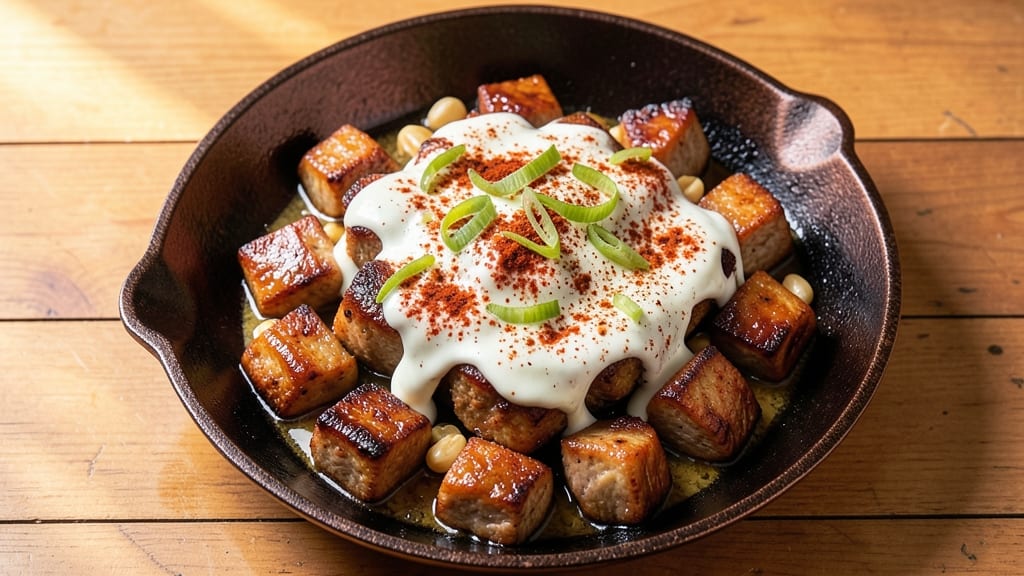
This boneless mutton fry recipe delivers crispy, golden bites that balance tender meat with aromatic spices—perfect for snacking or appetizers. The secret lies in properly tenderizing the mutton and controlling the heat during frying to achieve that signature crunch without drying it out.
I perfected this method after testing multiple marinades and frying techniques to ensure every bite stays juicy inside while developing a crispy, caramelized exterior.
The recipe begins with a flavorful marinade of yogurt, ginger, garlic, and a blend of spices that tenderizes the meat while infusing it with depth.
After marinating for at least 4 hours, the mutton is coated in a light batter of flour and cornstarch, which ensures a crispy texture when fried.
The key to success is maintaining a consistent oil temperature—too hot, and the exterior burns before the interior cooks; too cool, and the meat absorbs too much oil. This balance is what transforms ordinary mutton into irresistibly crispy fries.
What you’ll end up with is a platter of golden, aromatic mutton fries that are crispy on the outside and tender on the inside, infused with warm spices that make every bite flavorful.
The fries hold their shape beautifully, making them ideal for serving with mint chutney, tamarind dip, or even a side of cooling raita. This dish is versatile enough for casual gatherings or festive occasions, always delivering restaurant-quality results at home.
For those short on time, an air fryer can replace traditional deep-frying while still achieving crispiness—just adjust the temperature and cooking time slightly. The recipe scales easily, so you can prepare a large batch for parties or meal prep for the week.
Let’s get started on creating these crispy, golden bites that will impress everyone at the table.
Ingredients for boneless mutton fry
Fourteen essential ingredients transform ordinary mutton into crispy, golden fries bursting with spiced zest.
| Ingredient | Amount | Notes |
|---|---|---|
| Boneless Mutton 🥩 | 1 ½ lb | Cut into 1-inch pieces |
| Plain Yogurt 🥛 | 1 cup | Full-fat preferred for marinade |
| Fresh Ginger 🧅 | 2 tbsp | Grated, aromatic quality |
| Garlic Cloves 🧄 | 6 cloves | Minced, fresh preferred |
| Garam Masala 🌶️ | 1 tbsp | Ground, for depth of flavor |
| Ground Cumin 🌿 | 1 tsp | Toasted for warmth |
| Turmeric Powder 🌶️ | ½ tsp | Bright yellow color |
| Red Chili Powder 🔥 | 1 tsp | Adjust for heat preference |
| Salt 🧂 | 1 tsp | Kosher or sea salt |
| All-Purpose Flour 🌾 | ½ cup | For light coating |
| Cornstarch 🍚 | ¼ cup | For extra crispiness |
| Vegetable Oil 🫒 | 3 cups | For deep frying |
| Lemon Juice 🍋 | 1 tbsp | Freshly squeezed |
| Fresh Coriander Leaves 🌿 | ¼ cup | Chopped, for garnish |
The mutton quality is non-negotiable—look for fresh, well-marbled cuts at your local butcher or Indian specialty store. Costco or Whole Foods often carry high-quality mutton, but if you're shopping at a regular grocery store, ask for the freshest cut available. The yogurt should be thick and full-fat—Greek-style works well, but traditional Indian yogurt like Dahi is ideal. For the spices, MTR or Everest brands are reliable for garam masala and cumin, but if you can find freshly ground spices at a local market, they'll elevate the flavor significantly. Grate the ginger and mince the garlic yourself—pre-minced garlic lacks freshness and can make the marinade bitter.
No fresh ginger? Dried ginger powder at half the amount works in a pinch, though it won't have the same zing. Short on garam masala? Mix 1/2 tsp each of cinnamon, cardamom, and cloves for a close substitute. The cornstarch can be swapped for all-purpose flour, though it may not be as crispy. If you're avoiding gluten, use rice flour instead. For the oil, peanut or mustard oil adds a traditional touch, but vegetable oil is neutral and reliable. The lemon juice brightens the flavors—bottled lemon juice works, but fresh is always better. And if you can't find fresh coriander, cilantro will do in a pinch.
Marinate the mutton for at least 4 hours, but overnight is ideal. Store the marinade in an airtight container in the fridge. The batter should be made fresh before frying—keep it dry and coat the mutton pieces lightly to avoid excess oil absorption. Once fried, serve immediately for maximum crispiness, though they'll stay warm for about 10 minutes if kept in a 200°F oven. For meal prep, fry in batches and store in an airtight container for up to 3 days. Reheat in a 350°F oven for 5-7 minutes to restore crispiness.
Why You'll Love This Recipe
- Minimal Chopping Required: I swear by this—just dice the ginger, crush the garlic, and slice the mutton. No fancy techniques, no small cuts that take forever. The yogurt marinade does half the work for you while you stir-fry.
- Crispy-Creamy Magic: That garam masala and yogurt combo? It’s what makes this dish ridiculously good. The outside gets a perfect sear while the inside stays juicy—like a hug from your taste buds.
- Weeknight to Party Table: Serve it with naan for a quick family dinner, or double the batch for guests. The garam masala’s warmth pairs with everything—rice, roti, even a fresh salad if you’re feeling fancy.
- Budget-Friendly Leftovers: Mutton stretches far, and this recipe keeps well for days. I make it on Sundays and reheat portions all week—no sad, dry meat here. Just reheat with a splash of water, and it’s like it was just fried.
Step-by-step instructions for boneless mutton fry
Here's how to achieve perfectly crispy, golden mutton bites with a flavorful spiced crust.
Marinate the Mutton for Maximum Flavor
In a large bowl, combine the 1.5 lb boneless mutton cut into 1-inch pieces with the 1 cup plain yogurt. Add the 2 tbsp grated fresh ginger, 6 minced garlic cloves, 1 tbsp garam masala, 1 tsp ground cumin, 0.5 tsp turmeric powder, 1 tsp red chili powder, and 1 tsp salt. Mix thoroughly until every piece of mutton is well-coated and the marinade clings to the surface.
Cover the bowl and refrigerate for at least 2 hours, or preferably overnight. This long marinating time allows the spices to penetrate deeply and tenderize the meat. You'll notice the mutton absorbs the marinade and develops a rich, aromatic color—this is your first indicator of success. The yogurt in the marinade also helps create a protective barrier during frying, preventing the mutton from drying out.
Create the Crispy Coating
In a separate medium bowl, whisk together the 0.5 cup all-purpose flour and 0.25 cup cornstarch until well combined. This flour-cornstarch mixture is what will give your mutton that signature crispy exterior. The cornstarch adds extra crunch while the flour helps bind the coating.
Remove the mutton from the refrigerator and let it sit at room temperature for 10 minutes before coating. Pat each piece dry with paper towels to remove excess marinade—this ensures a better adhesion of the flour mixture. Working in batches if needed, toss the mutton pieces in the flour-cornstarch mixture until they're evenly and lightly coated. Shake off any excess, as too much coating will make the pieces dense rather than crispy.
Heat the Oil and Fry to Golden Perfection
Pour the 3 cups vegetable oil into a deep, heavy-bottomed pot or Dutch oven. Place it over medium heat and heat the oil until it reaches 350°F. You'll know it's ready when a small piece of mutton sizzles vigorously when dropped into the oil. This temperature is crucial—too low and the mutton will absorb oil and become greasy; too high and it will burn before cooking through.
Carefully add the coated mutton pieces to the hot oil, working in batches to avoid overcrowding. Fry for 4-5 minutes per batch, turning occasionally, until the mutton reaches an internal temperature of 165°F and develops a deep golden brown color. The pieces should float to the surface when properly cooked, indicating they're done. Use a slotted spoon to remove the fried mutton and drain on paper towels. The oil should be bubbling gently but not smoking excessively.
Finish with Lemon and Garnish
Once all the mutton is fried and drained, transfer it to a serving platter. Immediately drizzle with the 1 tbsp fresh lemon juice and toss gently to distribute evenly. This acidic touch brightens the flavors and cuts through the richness of the fried mutton. The lemon juice also helps set the crispy coating by slightly sealing the surface.
Garnish with the 0.25 cup chopped fresh coriander leaves just before serving. The coriander adds a fresh, herbal note that contrasts beautifully with the spiced, crispy mutton. Serve immediately while the coating is still at its crispy best—boneless mutton fry loses its crunch as it cools. Pair with mint chutney or a side of cucumber raita for a complete meal.
Pro Tips For Making Boneless Mutton Fry
- MARINATE LONGER THAN YOU THINK: I used to cut corners and marinate mutton for 30 minutes—big mistake. Let it sit in yogurt, ginger, and garlic for at least 2 hours (overnight if possible). The meat stays tender, absorbs flavor deeply, and doesn’t dry out when frying. Trust me, the extra time makes a real difference.
- GRIND GINGER-GARLIC PASTE: Skip the minced garlic and ginger—grind them into a smooth paste with a little yogurt. This ensures even distribution and prevents clumps that burn before the meat cooks. Bonus: The paste blends seamlessly into the yogurt marinade.
- FRIED IN BATCHES: Crowding the pan is how you end up with greasy, unevenly cooked mutton. Fry in small batches over medium-high heat until the yogurt marinade sizzles and the meat browns. Patience here keeps the crust crisp and the inside juicy.
- FINISH WITH GARAM MASALA: Sprinkle garam masala only after frying, not before. This prevents the spices from burning and lets their aroma bloom fresh. A quick toss with warm oil seals the flavor—your dish will smell like a restaurant.
Wine and beer pairings for these flavors
Spiced Red Wine
Mutton’s rich, gamey flavor pairs beautifully with bold red wines that can stand up to its spiced profile. I recommend a Syrah from the Rhône Valley—its dark fruit notes and peppery finish complement the garam masala and cumin in the fry.
Look for a Crozes-Hermitage or Gigondas with 12-14% ABV to balance the dish’s richness. The wine’s earthy undertones echo the mutton’s natural depth while cutting through the oiliness. 🍷
Crisp White Options
For those who prefer white wine, a dry Riesling from Germany or Alsace delivers surprising harmony. Its citrus and mineral notes contrast the spiced mutton while the wine’s acidity cleanses your palate between bites.
A Kabinett or Spätlese with 11-12% ABV works perfectly—avoid sweeter styles that’ll clash with the lemon finish. Chill to 45-50°F for optimal contrast.
Beer Pairings
A dark lager like Stella Artois or Dunkel provides a malty, slightly sweet counterpoint to the spiced mutton. The beer’s caramel and toasted notes mirror the fried coating’s caramelization.
For craft options, try a Belgian Dubbel—its dark fruit and spice (from yeast) enhances the garam masala. Serve at 45°F to preserve its crispness. 🍺
Non-Alcoholic Choices
For a refreshing non-alcoholic option, sparkling mint lemonade elevates the dish without overpowering it. Mix 1 cup sparkling water, ½ cup fresh lemon juice, 2 tbsp honey, and 10 fresh mint leaves.
The effervescence cuts through the richness, while the mint echoes the garnish. Chill thoroughly—this drink works as well as any wine at a gathering.
Traditional Indian Pairings
Don’t overlook Indian craft beers like Kingfisher or Bangalore Brewing Company’s Pilsner. Their crisp, clean profiles let the mutton’s spices shine. For a local touch, serve with lassi—its yogurt base mirrors the marinade’s tanginess. The cooling effect balances the fry’s heat, making it a perfect pairing. 💛
Nutrition facts
Frequently asked questions
Can I use lamb instead of mutton for this recipe?
Yes, but with adjustments! Lamb is leaner and cooks faster than mutton, so reduce the frying time to 3-4 minutes and check for doneness at 160°F internal temperature. Use slightly more yogurt in the marinade (about 1.25 cups) to compensate for its lower fat content. The flavor profile will be similar but slightly milder.
How do I prevent the mutton from turning rubbery?
Rubberiness happens when mutton overcooks or the marinade isn't acidic enough. Always marinate for at least 4 hours (overnight is best) to tenderize the meat. Use 1 tbsp lemon juice in the marinade and fry in batches without overcrowding the oil. Remove from heat when the mutton reaches 165°F—overcooking dries it out.
Can I bake or air-fry these instead of deep-frying?
For an air fryer, coat the mutton as directed, then cook at 375°F for 8-10 minutes, shaking halfway. For baking, use 425°F for 12-15 minutes on a wire rack (no oil). The texture will be less crispy but still flavorful. Brush with 1 tbsp oil before cooking for better browning.
What’s the best way to store leftovers?
Store fried mutton in an airtight container for up to 3 days at room temperature, or freeze for 1 month. To revive crispiness, reheat in a 350°F oven for 5-7 minutes with a light spray of oil. Avoid microwaving—it makes the coating soggy. For meal prep, fry in small batches and store separately.