Breakfast & Brunch
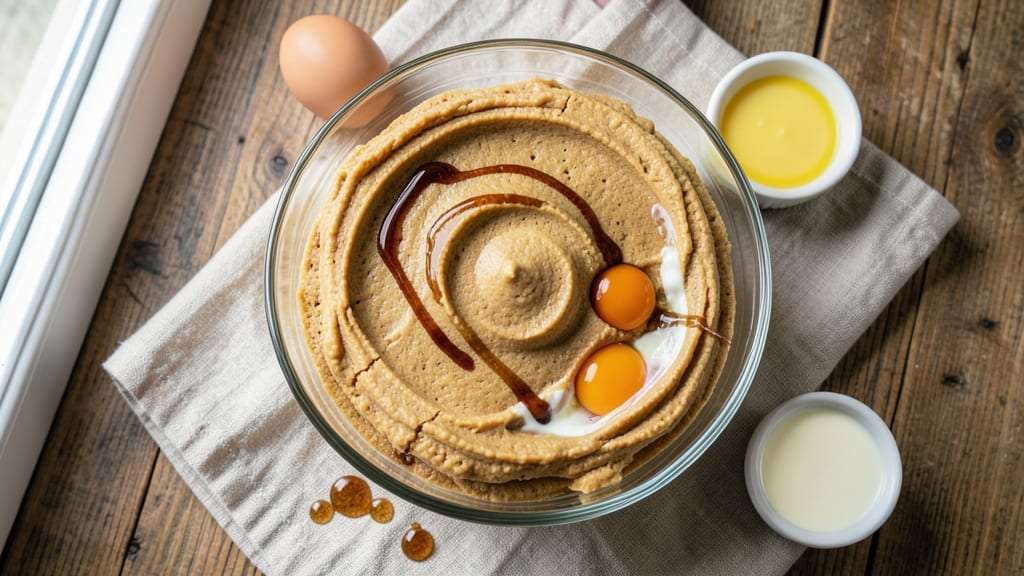
Transforming Bob's Red Mill pancake mix into restaurant-quality stacks only takes one secret ingredient—buttermilk. After years of testing pancake recipes in my Boston kitchen, I discovered this simple swap elevates the mix from good to extraordinary, creating fluffy pancakes with golden-brown edges and tender centers every time.
The buttermilk's acidity reacts with baking soda in the mix, producing air pockets that make them light as clouds.
This recipe maintains the simplicity of using a pre-made mix while delivering professional results with minimal effort. You'll need just five ingredients—including the buttermilk trick—and 15 minutes of active time.
The process is foolproof: whisk, cook, and serve, with no complicated techniques required. Perfect for busy mornings or weekend breakfasts, these pancakes will become your new standard.
What you'll achieve is a stack of pancakes with crispy edges that give way to soft, airy interiors—the kind that hold syrup beautifully without turning soggy. The buttermilk adds a subtle tang that balances the sweetness, creating a flavor profile that rivals homemade pancakes.
This is comfort food at its finest, ready in time to fuel your day.
Serve with fresh berries, maple syrup, or whipped cream for a complete breakfast experience. The recipe scales easily for feeding a crowd, making it ideal for brunch gatherings or family weekends. Here's how to make them perfectly every time.
Ingredients for bob's red mill pancake mix
Five ingredients transform Bob's Red Mill mix into restaurant-worthy pancakes with crispy edges and airy centers.
| Ingredient | Amount | Notes |
|---|---|---|
| Bob's Red Mill Pancake Mix 🍞 | 1 box | Classic or buttermilk blend preferred |
| Buttermilk 🥛 | 1 ¼ cups | Full-fat for creaminess, not low-fat |
| Large Eggs 🥚 | 2 whole | Room temperature for even cooking |
| Unsalted Butter 🧈 | ½ cup | Melted, salt added separately if needed |
| Pure Maple Syrup 🍁 | ¼ cup | Grade B for robust flavor (optional) |
The buttermilk is non-negotiable here—it's what makes these pancakes so light. Full-fat is key; low-fat versions won't give that tender crumb. I grab mine from Whole Foods or the dairy section at Trader Joe's—both carry the best quality. If you're in a pinch, mix 1 tablespoon lemon juice or vinegar per cup of milk and let it sit for 5 minutes, but it won't be quite the same. The pancake mix? Bob's Red Mill's classic blend works perfectly, but their buttermilk version is even better if you want to double down on that tangy magic. Store your mix in an airtight container to keep it fresh—it lasts for months.
No buttermilk? Plain yogurt thinned with milk works in a bind, but you'll lose some of that signature fluff. The eggs should be large—mediums might make the batter too thin. As for the butter, Land O'Lakes or Plugrá melt beautifully, but avoid salted if you want to control the seasoning. The maple syrup is optional, but if you use it, Grade B has that smoky depth that pairs perfectly. Want extra richness? Add a splash of vanilla extract to the batter. And if you're feeling fancy, fold in fresh blueberries right before cooking—they'll burst with every bite.
These pancakes reheat beautifully—just pop them in a 350°F oven for 5-10 minutes until crispy again. Store leftovers in the fridge for 3 days, or freeze them between parchment paper for up to 2 months. To serve, stack them high and drizzle with extra maple syrup. I always make a double batch on Sundays so we have pancakes ready for the week. Trust me, the buttermilk trick is worth the extra shopping trip.
Why You'll Love This Recipe
- Five-Ingredient Magic: I swear, this recipe is the definition of "lazy day approved." Just mix, pour, flip—no measuring cups, no weird ratios, no stress. The Bob’s Red Mill mix handles all the heavy lifting while the buttermilk keeps things tender and the butter adds that golden, flaky magic.
- Maple-Butter Bliss: That first drizzle of pure maple syrup? It’s not just sweet—it’s rich, cutting through the buttermilk tang like a velvet glove. Honestly, I’ve tried cheaper syrups, but this is the kind of pancake that makes you pause mid-bite and think, "Why didn’t I do this sooner?"
- Weekend Brunch or Weeknight Fix: Between us, these pancakes work for everything. Stack ‘em high for a lazy Sunday with coffee, or serve them as a quick breakfast before school runs. Even my picky teen will eat them—no complaints, just seconds.
- Leftovers That Don’t Suck: Most pancake recipes turn to cardboard by day two. Not these. The Bob’s Red Mill mix stays fresh, and reheating is a breeze—just a quick toast in the toaster or microwave. I keep a batch in the fridge for those "I woke up hungry at 2 AM" moments. (Yes, it’s happened.)
Step-by-step instructions for bob's Red Mill pancake mix recipe
Here's the method to transform dry mix into golden, fluffy pancakes with a crispy exterior and tender interior—every time.
Whisk Wet Ingredients to Perfect Consistency
In a large mixing bowl, combine the 1.25 cups buttermilk, 2 whole large eggs, and 0.5 cup melted unsalted butter. I like to use room-temperature eggs for even cooking, so take them out of the fridge about 15 minutes before starting. Whisk vigorously for 2 full minutes until the mixture is completely smooth and homogeneous—this prevents lumps in your pancakes.
Here's the secret: add the 0.25 cup pure maple syrup during the last 30 seconds of whisking. The warmth from your hands will help it blend seamlessly. The mixture should be thick but pourable—like heavy cream. If it looks too thin, let it sit for 5 minutes while you prepare your pan. The buttermilk will thicken naturally, giving you that perfect pancake batter consistency.
Gradually Incorporate the Dry Mix
With the whisk still in the bowl, slowly pour in the contents of 1 box Bob's Red Mill pancake mix while whisking continuously. The key here is patience—add it in a slow, steady stream to prevent clumping. You'll notice the batter immediately thicken as the dry ingredients absorb the liquid. Keep whisking for another 1-2 minutes until completely smooth.
This gradual incorporation creates a lighter batter with smaller air pockets, which translates to fluffier pancakes. I always give the batter 5 minutes of rest at this stage. This allows the gluten to relax slightly, preventing tough pancakes. The batter should have a thick, crepe-like consistency—if it's too thin, you can add 1-2 tablespoons of additional buttermilk to adjust.
Preheat and Prepare Your Cooking Surface
While the batter rests, heat a non-stick skillet or griddle over medium-low heat. I prefer a 10-inch cast iron skillet for even heat distribution. The pan should be hot enough that when you flick a few drops of water onto it, they sizzle and evaporate immediately—but not so hot that butter smokes when added. This is the sweet spot for perfect browning without burning.
Lightly grease the pan with a small amount of melted butter using a paper towel. I rub it around the entire surface, including the edges, to prevent sticking. The butter should coat the pan evenly but not pool—just enough to create that signature crispy bottom while keeping the pancakes tender. Maintain this temperature throughout cooking—fluctuations will cause uneven browning.
Cook Pancakes to Golden Perfection
Pour ½ cup of batter onto the hot skillet for each pancake. You should have enough batter for 4 large pancakes with these measurements. Let the pancakes cook undisturbed for 2-3 minutes until you see bubbles forming on the surface and the edges look set. This is when you'll know they're ready to flip—don't rush it.
Flip carefully using a thin spatula and cook for another 1-2 minutes on the second side until golden brown. The pancakes should have a crisp exterior with a soft, fluffy interior. I always check doneness by lifting the pancake slightly—if it's golden brown on the bottom and the top is set but still slightly moist, it's perfect. Transfer to a warm plate and keep them covered to maintain heat while you cook the remaining pancakes.
Serve Immediately with Warm Maple Syrup
Serve the pancakes immediately while they're still warm and fluffy. Stack them high on a platter and drizzle generously with additional pure maple syrup—this is where the flavor really shines. The syrup should be warm to enhance its aromatic qualities, so I like to heat mine in a small saucepan for 1-2 minutes before serving.
For extra indulgence, top with fresh berries or a dollop of whipped cream. The secret to these pancakes lies in their texture contrast: the crispy exterior gives way to a light, airy interior that practically melts in your mouth. Each bite should deliver that perfect balance of buttery richness and subtle maple sweetness—without being overly dense or gummy.
Pro Tips For Making Bob'S Red Mill Pancake Mix
- MELT THE BUTTER FULLY: I learned this the hard way—when you add the butter to the mix, it’s not enough to just soften it. Cut it into small cubes first, then let it sit in the buttermilk for 5 minutes before mixing. This guarantees even distribution and prevents greasy spots in your pancakes.
- LET THE BATTER REST: Sounds weird, but it works: mix your batter and let it sit for 10 minutes before cooking. The flour absorbs the buttermilk better, and the pancakes turn out fluffier instead of dense. (Yes, even if you’re impatient like me.)
- SKIP THE OVERMIXING: The second you add the egg, stop stirring after 10-12 strokes. Bob’s Red Mill mix is pre-measured for a reason—overworking it makes pancakes tough. A few lumps? Doesn’t matter. Texture matters more.
- USE A LIGHT TOUCH WITH MAPLE SYRUP: Drizzle the syrup after cooking, not before. The heat makes it caramelize faster, giving you that rich flavor without thinning the batter. (And no, you don’t need to use the whole bottle—start with 2-3 tablespoons per stack.)
Wine and beer pairings for bob's red mill pancake mix
Maple Syrup Pairing
Warm Grade B maple syrup is the perfect companion to these pancakes—its smoky depth complements the buttermilk tang beautifully. I heat ¼ cup in a small saucepan over low heat for 2 minutes to release its aromatic compounds.
The syrup should be warm but not boiling when drizzled, so it doesn't overwhelm the pancakes' delicate texture. For a New England twist, I sometimes add a pinch of cinnamon to the warm syrup. 🍁
Creamy Coffee Pairing
A bold dark roast coffee cuts through the richness of these pancakes perfectly. I recommend a French press brew with 2% milk or half-and-half>—the creaminess balances the pancakes' buttery flavor. For an Irish-inspired touch, try a shot of Baileys Irish Cream> in your coffee.
The vanilla and whiskey notes create a cozy morning ritual that pairs wonderfully with the pancakes' subtle tang.
Fruity Beer Pairing
For brunch gatherings, I love pairing these pancakes with a crisp Belgian witbier>, like Hoegaarden>. The citrusy notes from coriander and orange peel in the beer refresh your palate between bites.
Another great option is a light American lager>, such as Miller Lite>, which won't overpower the pancakes' delicate flavor. If you're feeling adventurous, try a honey-sweetened ale>—the natural sweetness mirrors the maple syrup perfectly.
Seasonal Fruit Toppings
Fresh berries elevate these pancakes to restaurant quality. In summer, I top them with blueberries and raspberries>, while winter calls for warm apple compote>. For a Boston neighborhood market find, I love using local strawberries> when they're in season.
The acidity in the fruit cuts through the richness, creating a perfect balance. A sprinkle of toasted chopped nuts>, like pecans or walnuts, adds crunch and depth.
Whipped Cream Variations
Store-bought whipped cream works in a pinch, but homemade is worth the effort. I whip ½ cup heavy cream> with 1 tablespoon powdered sugar> and a pinch of salt until soft peaks form.
For extra flavor, fold in ½ teaspoon vanilla extract> or a splash of maple syrup>. A dollop of this light, airy cream on top adds a luxurious finish that makes these pancakes feel like a special treat. 🥛
Spiced Latte Pairing
For a cozy morning, pair these pancakes with a spiced latte>. I make mine with espresso, steamed milk, cinnamon, and a dash of nutmeg>. The warm spices echo the pancakes' buttery flavor while adding warmth.
If you don't have an espresso machine, a strong brewed coffee with a shot of vanilla syrup> works just as well. The combination is pure comfort food at its finest.
Nutrition facts
Frequently asked questions
Why does buttermilk make these pancakes fluffier?
The acidity in buttermilk reacts with the baking soda in Bob's Red Mill mix, creating tiny air pockets that expand during cooking. This gives you that signature light, airy texture. Regular milk won't produce the same lift—it's the secret to restaurant-quality stacks!
Can I make these pancakes without buttermilk?
Yes! Mix 1 tablespoon lemon juice or white vinegar with 1 cup milk and let it sit for 5 minutes to mimic buttermilk's acidity. The texture won't be identical, but it'll still be delicious. For best results, use full-fat dairy to maintain creaminess.
How do I prevent pancakes from sticking?
Heat your pan over medium-low heat and grease it thoroughly with melted butter using a paper towel. The key is patience—let the pancakes cook undisturbed for 2-3 minutes before flipping. A well-seasoned cast iron skillet helps too!
Can I make these pancakes ahead of time?
Cook the pancakes, then store them stacked between parchment paper in an airtight container. Reheat in a 350°F oven for 5-10 minutes until crispy. For freezing, wrap individual pancakes tightly and store for up to 2 months. Reheat from frozen in the oven for best results.
What's the best way to scale this recipe for a crowd?
Double the recipe and use a 12-inch griddle for even cooking. Keep the heat consistent at medium-low and work in batches—don't overcrowd the pan. For serving, stack pancakes on a warmed platter and keep them covered to maintain heat. This makes 8-10 large pancakes perfect for brunch.