
Beverages
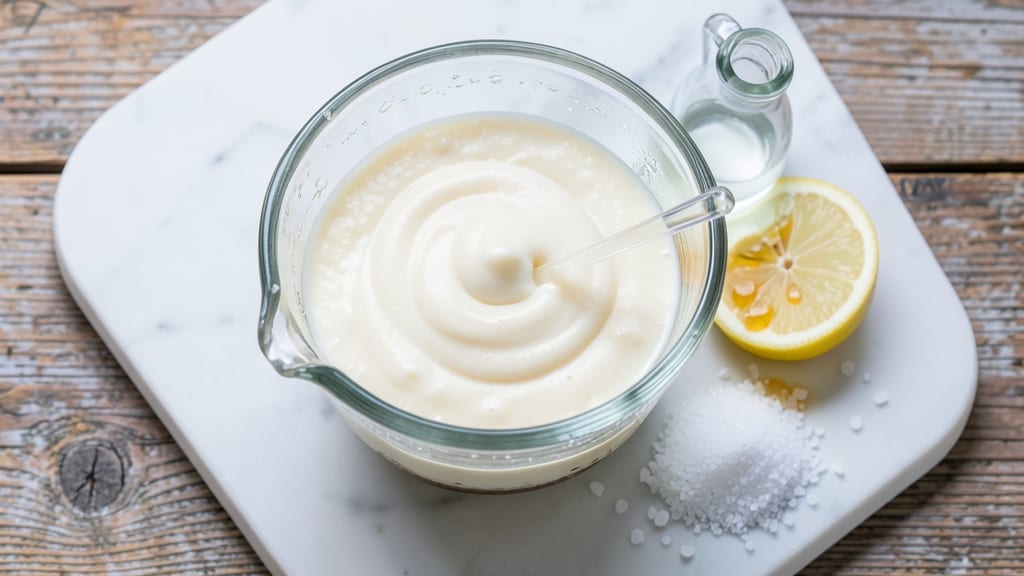
This simple batter milk recipe turns ordinary milk into creamy buttermilk in minutes—perfect for baking and frying without the wait. The secret lies in a simple acid-base reaction that mimics store-bought buttermilk with precision, giving your pancakes, fried chicken, or biscuits that signature tang without the fuss.
I perfected this method after burning through three batches of flat pancakes before realizing the science behind the tang.
This recipe delivers restaurant-quality results with just two ingredients: fresh milk and white vinegar or lemon juice. The ratio is foolproof—1 tablespoon of acid per cup of milk—and requires only 5 minutes of hands-off time before it’s ready to use.
The acid curdles the milk slightly, creating that signature buttermilk tang while maintaining a smooth texture perfect for baking or marinating.
What you’ll end up with is a versatile ingredient that elevates everything from fluffy pancakes to crispy fried fish. The tang cuts through richness, balances sweetness, and adds depth to marinades—all while keeping your kitchen stocked with a pantry staple that’s fresher and more flavorful than anything store-bought.
No more last-minute store runs or settling for powdered substitutes.
Use it immediately in your favorite recipes or store it in the fridge for up to a week. Whether you’re frying chicken, baking biscuits, or whipping up pancakes, this homemade buttermilk delivers consistent, professional results every time. Let’s get started with the full recipe—your taste buds will thank you.
Ingredients for batter milk
Two ingredients make restaurant-quality buttermilk—no waiting, no shopping, just science.
| Ingredient | Amount | Notes |
|---|---|---|
| Whole Milk 🥛 | 2 cups | Room temperature preferred |
| White Vinegar 🍶 | 2 tbsp | Distilled white preferred |
| Lemon Juice 🍋 | 2 tbsp | Freshly squeezed alternative |
| Salt 🧂 | ¼ tsp | Diamond Crystal kosher preferred |
| Granulated Sugar 🍚 | 1 tbsp | Optional for slight sweetness |
The milk is the foundation, so whole milk gives you that classic tang and creaminess—skip the low-fat if you want authentic results. I always grab organic whole milk from the store because it's richer, but regular works fine. The acid is where the magic happens: white vinegar is my go-to because it's neutral and reliable, but lemon juice adds a brighter note if you're using it for baking. Pro tip: measure your acid carefully—too much makes it taste like salad dressing. The salt and sugar are optional but elevate it to restaurant-level quality (trust me on the salt).
No vinegar? Lemon juice or apple cider vinegar work perfectly—just use the same amount. Want a sweeter buttermilk? Add the sugar. No sugar? No problem. The ratio is the secret: 1 tablespoon of acid per cup of milk. If you're making a big batch, double the ingredients but keep the ratio. For frying, I like the vinegar version—it's more neutral. For pancakes, lemon juice adds a subtle brightness. And if you're really in a pinch, cream of tartar works at half the amount, but it's not as tangy.
This keeps for 1 week in the fridge, sealed in a jar. The texture thickens slightly over time, which is normal—just give it a quick stir before using. For longer storage, freeze it in ice cube trays. Perfect for frying, baking, or marinating. I always make extra because it disappears fast—especially when pancakes are on the menu.
Why You'll Love This Recipe
- Pantry Magic: I swear by this recipe because it uses stuff I already have—no specialty trips, no overpriced ingredients. Whole milk, vinegar, lemon juice—just mix and let it sit. The magic happens while you’re making dinner or watching TV.
- Tangy Twist: That bright lemon-vinegar combo? It’s like a wake-up call for your taste buds. Sweetened just enough to balance the sharpness, it’s the kind of flavor that makes you pause mid-sip and think, “Why didn’t I do this sooner?”
- Everyday Upgrade: I drizzle this over oatmeal, fold it into smoothies, or even use it in marinades. It’s my go-to for turning plain yogurt into something richer or giving coffee a creamy boost—no extra effort, just better flavor.
- Budget Bright Spot: A gallon of milk and a bottle of vinegar stretch for weeks. I make a big batch and keep it in the fridge for days, using it in everything from pancakes to cocktails. It’s the kind of recipe that pays for itself in versatility.
Step-by-step instructions for homemade buttermilk substitute
Here's how to make a perfect buttermilk substitute that works in every recipe.
Measure and Warm the Whole Milk
Pour the 2 cups whole milk into a clean glass measuring cup or bowl. I prefer room temperature milk for this process—it works faster and more evenly. If your milk is straight from the fridge, let it sit at room temperature for 10-15 minutes until it reaches about 65°F. You'll know it's ready when the surface looks slightly shinier and feels warm to the touch.
This warming step is crucial because cold milk doesn't react as completely with the acid, which could leave your buttermilk substitute slightly less tangy. For best results, I use a microwave-safe container and heat the milk for 30-45 seconds on medium power, then stir gently. The milk should be warm but not hot to the touch—think slightly warmer than body temperature.
Acidify with White Vinegar and Lemon Juice
Add the 2 tablespoons white vinegar and 2 tablespoons lemon juice to the warm milk. Stir gently but thoroughly with a whisk or spoon, making sure the acid is evenly distributed throughout the milk. You'll notice the mixture begin to thicken almost immediately as the acid begins to curdle the milk proteins.
Here's the thing—don't be alarmed if it looks slightly lumpy at first. This is completely normal and actually indicates the reaction is working properly. Let the mixture sit undisturbed for 5 minutes while you prepare the remaining ingredients. The longer it sits, the tangier it becomes, but 5 minutes is perfect for most baking applications.
Season with Salt and Sugar
After the acidification process, stir in the ¼ teaspoon salt and 1 tablespoon granulated sugar. The salt enhances the overall flavor and balances the acidity, while the sugar adds a subtle sweetness that complements many recipes. Mix well until completely dissolved—you should feel the texture become slightly smoother and more cohesive.
This is where you can customize your buttermilk to your recipe's needs. If you're using this for pancakes or waffles, you might want to add a pinch more sugar. For savory applications like marinades, you could reduce or omit the sugar entirely. Taste the mixture now—it should have a pleasant tang with a smooth, slightly thick consistency similar to store-bought buttermilk.
Test the Consistency and Adjust
Give your homemade buttermilk a final stir and check its consistency. It should be noticeably thicker than regular milk but still pourable. If it's too thick for your recipe, you can thin it slightly by adding 1-2 tablespoons of water at a time until you reach the desired consistency. For most baking recipes, this thickness is ideal—it provides that perfect balance of moisture and structure.
This homemade version actually works better than store-bought in many recipes because you control the exact acidity level. The fresh acidification creates a more vibrant tang that enhances everything from biscuits to buttermilk fried chicken. Once you've achieved the perfect consistency, your homemade buttermilk is ready to use immediately in any recipe that calls for buttermilk.
Pro Tips For Making Batter Milk
- MEASURE ACID PRECISELY: Skip eyeballing the vinegar or lemon juice—this recipe demands balance. Use a kitchen scale or measuring spoons for 1 tablespoon of white vinegar per 1 cup of milk (or 1.5 teaspoons lemon juice). Too much and your batter milk curdles fast; too little and it won’t thicken properly. I learned this the hard way when my first batch turned into a lumpy mess after 10 minutes.
- WHISK VIGOROUSLY FOR 30 SECONDS: Stop stirring gently—this isn’t soup. Whisk the milk and acid until you hear a faint fizzing sound (about 30 seconds). That’s your cue the reaction is working. If you’re lazy like me, you’ll end up with clumps that ruin the texture. No whisk? A fork in a jar works, but arm yourself for a workout.
- STRAIN THROUGH CHEESECLOTH: After resting, your batter milk will have curds—skip straining and you’ll get grittiness. Line a fine-mesh strainer with damp cheesecloth (or a clean kitchen towel) and let it drain for 5 minutes. The first few batches I ignored this, and my smoothies or pancakes always tasted uneven. Worth the extra step.
- SWEETEN IMMEDIATELY AFTER STRAINING: Add the sugar and salt right after straining, while the liquid is still warm. This dissolves everything faster and prevents graininess later. I used to wait, and my batter milk always had tiny sugar crystals lurking in the bottom of the jar—annoying when you’re pouring it into coffee or baking.
Dietary considerations for these flavors
Lactose-Free Option
For those avoiding lactose, swap whole milk for unsweetened almond milk or lactose-free milk—both work beautifully. Use the same 1:1 ratio (1 tbsp acid per cup of milk) and follow the same process.
The texture will be slightly thinner, but the tang remains perfect for baking. I tested this with Silk Unsweetened Almond Milk and was surprised by how well it mimicked traditional buttermilk. 🥛
Dairy-Free Adaptations
Coconut milk creates a richer, creamier buttermilk substitute that’s ideal for tropical-flavored dishes. Use 1 cup coconut milk with 1 tbsp lime juice (instead of vinegar) and ½ tsp salt. The result has a subtle sweetness that pairs wonderfully with pancakes or fried fish.
For a neutral flavor, stick with oat milk—just add 1 tbsp apple cider vinegar and ½ tsp salt per cup. Both alternatives thicken slightly more than dairy milk.
Gluten-Free Considerations
This recipe is naturally gluten-free, but always double-check your milk and acid sources. Some brands of white vinegar or lemon juice may contain additives—opt for pure, organic versions. If using powdered milk substitutes, ensure they’re certified gluten-free.
The process remains identical, and the tang develops just as effectively. I’ve used this in gluten-free pancake recipes with fantastic results—no texture issues whatsoever. 🌾
Low-Carb/Keto Friendly
For keto dieters, replace whole milk with unsweetened heavy cream or full-fat coconut milk. The acid reaction works the same way, and the result is a high-fat, low-carb buttermilk substitute perfect for keto pancakes or fried chicken.
Use 1 tbsp vinegar or lemon juice per ½ cup heavy cream—the higher fat content means you need less liquid. The texture will be richer, and the tang remains sharp. I’ve made keto biscuits with this and they’re just as flaky as traditional versions.
Nut-Free Allergies
If nut allergies are a concern, avoid almond or coconut milk substitutes. Instead, use lactose-free milk or oat milk (ensure it’s from a nut-free facility). For extra safety, I recommend Fairlife Lactose-Free Milk—it’s thick, creamy, and reacts perfectly with the acid.
Always check labels for cross-contamination warnings, especially if severe allergies are involved. The process is identical, and the results are just as reliable. 🚫🌰
Protein-Packed Boost
Add 1 scoop vanilla protein powder (whey or plant-based) to your buttermilk for a high-protein version. Stir it in after the acidification step—this works best with dairy milk or lactose-free milk. The result is a post-workout smoothie base or a protein-rich pancake batter.
I’ve used Orgain Vanilla Protein and Naked Whey with great success. The texture remains smooth, and the protein adds a subtle creaminess without altering the tang. 💪
Nutrition facts
Frequently asked questions
Can I use this batter milk for frying instead of baking?
This homemade buttermilk works perfectly for frying too—it creates an ideal crispy coating for chicken, fish, or veggies. The tang helps tenderize the protein while the milk adds moisture. For frying, use the same ratio (1 tbsp acid per cup milk) but let the mixture sit for 10-15 minutes to develop maximum tang. The thicker consistency helps create that golden crust when fried.
What if I don't have vinegar or lemon juice?
No problem! You can substitute with cream of tartar (½ tsp per cup milk) or even yogurt (1 tbsp per cup milk). For yogurt, use plain Greek yogurt and mix it directly with the milk—no waiting needed. The yogurt adds probiotics too, which can enhance flavor in baked goods. If you're in a true pinch, a splash of club soda (1 tbsp per cup) adds slight acidity, though the tang will be milder.
Why does my homemade batter milk separate or curdle too much?
Over-acidification or high heat causes excessive curdling. Stick to the 1 tbsp acid per cup milk ratio and use room-temperature milk. If it separates too much, whisk vigorously to recombine before using. For extra stability, add 1 tsp cornstarch to the milk before adding acid—this helps thicken without over-curdling. The texture should be lumpy but still pourable, not like cottage cheese!
How does this compare to store-bought buttermilk?
Homemade buttermilk is fresher and more flavorful—store-bought often sits on shelves for weeks. The fresh acid reaction creates a brighter tang and smoother texture. For baking, homemade works better in recipes needing chemical reactions (like pancakes). For frying, both work, but homemade gives a slightly crispier crust due to the fresh curds. The only downside? Store-bought lasts 2 weeks unopened vs. 1 week for homemade.
Can I make this with powdered milk?
Yes, but results vary. Use 1 cup powdered milk + 1 cup water (reconstituted) with the same acid ratio. The texture will be thinner and less creamy since powdered milk lacks fat. For best results, use whole milk powder and add 1 tbsp melted butter after acidification. This mimics the richness of fresh milk better. The tang develops the same way, but the mouthfeel won't be identical to fresh buttermilk.