
Desserts
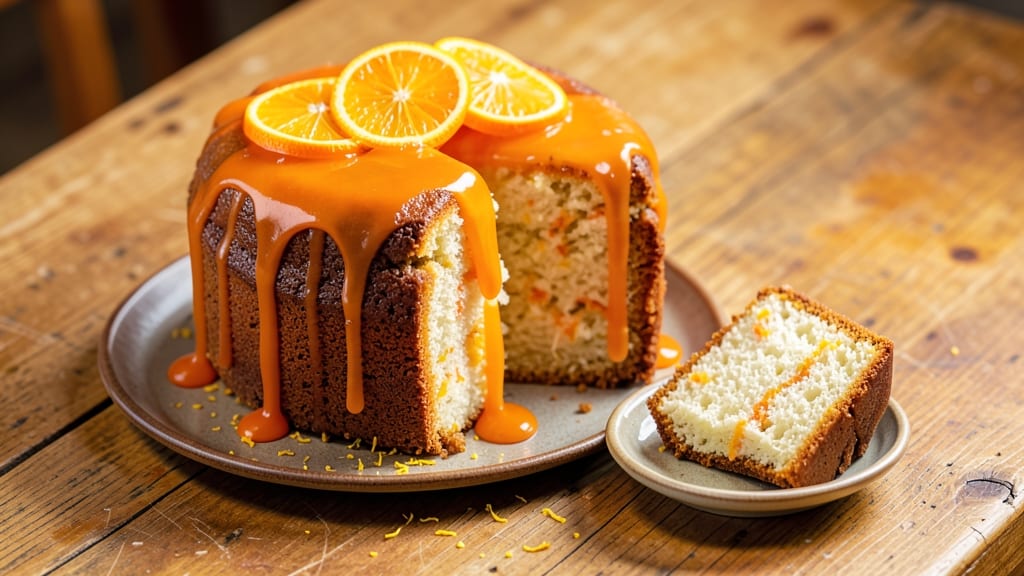
Ina Garten’s orange pound cake brings that signature Barefoot Contessa buttery richness and bright citrus flavor without a single drop of oil—just the right balance of zesty orange and tender crumb.
The secret lies in creaming butter and sugar properly, then folding in citrus zest and juice for that signature brightness while keeping the texture impossibly moist. I’ve baked this version dozens of times, and it never fails to impress with its golden layers and perfect crumb.
This recipe delivers a foolproof method for achieving that classic pound cake texture—dense yet tender, with a subtle crumb that holds up beautifully. The orange zest and juice infuse every bite with natural citrus notes, while the buttermilk and eggs ensure that signature Barefoot Contessa moisture.
No one will guess there’s no oil in this cake, just pure buttery flavor and a hint of sunshine.
By the time you pull this cake from the oven, you’ll have golden layers with a crackly top and a tender, moist interior that’s perfect for slicing. The bright orange flavor shines through without overpowering the buttery richness, making it ideal for brunch, dessert, or even a special occasion.
Serve it plain, with a dusting of powdered sugar, or drizzle with a simple orange glaze for extra elegance.
What makes this recipe truly special is how it captures Ina’s signature touches—like the proper creaming technique and the balance of citrus and butter—without any shortcuts.
Whether you’re baking for a crowd or treating yourself, this orange pound cake is a showstopper that tastes even better the next day. Let’s get baking!
Ingredients for barefoot contessa orange pound cake
Twelve simple ingredients transform into Ina Garten's signature moist, citrus-kissed pound cake.
| Ingredient | Amount | Notes |
|---|---|---|
| Unsalted Butter 🧈 | 1 ½ cups | Cold, cut into cubes |
| Granulated Sugar 🍚 | 2 ½ cups | Superfine preferred for smoothness |
| Orange Zest 🍊 | 2 tbsp | From 2 large oranges |
| Orange Juice 🍊 | ½ cup | Freshly squeezed, no pulp |
| Large Eggs 🥚 | 4 whole | Room temperature |
| All-Purpose Flour 🌾 | 2 ½ cups | Sifted, spooned lightly |
| Baking Powder 🍞 | 1 ½ tsp | Aluminum-free preferred |
| Salt 🧂 | ½ tsp | Fine sea salt |
| Buttermilk 🥛 | 1 cup | Full-fat for moisture |
| Vanilla Extract 🌸 | 1 tbsp | Pure vanilla preferred |
| Powdered Sugar 🍚 | ½ cup | For dusting, optional |
The butter and sugar are non-negotiable for that signature Barefoot Contessa texture. European-style unsalted butter, like Plugrá or Land O'Lakes, works best—it has a higher fat content that creates a richer crumb. If you're using regular butter, make sure it's cold when you start creaming. The sugar should be superfine if possible (like Domino or C&H), but granulated works in a pinch—just pulse it in a food processor first. For the citrus, Navel or Valencia oranges have the most vibrant flavor. Avoid blood oranges—they'll throw off the bright, sunny taste Ina's known for.
No buttermilk? Mix 1 cup milk with 1 tsp vinegar or lemon juice and let it sit for 5 minutes. The oranges can be swapped for lemon or grapefruit zest/juice, but the flavor will shift slightly. If you can't find aluminum-free baking powder, use half the amount of baking soda plus 1 extra tsp of cream of tartar. For the vanilla, imitation extract will taste off—stick with pure. The powdered sugar is optional but adds that classic Barefoot Contessa finish. If you skip it, just make sure your cake is fully cooled before slicing so it doesn't crumble.
This cake keeps beautifully for 3-4 days at room temperature wrapped in plastic, or up to 1 week in the fridge. For longer storage, slice and freeze portions for up to 3 months. I like to bake it in a 9x5-inch loaf pan for perfect slices, but a 9-inch tube pan works too. The cake actually improves overnight—the flavors meld and the crumb firms up. When serving, dust with powdered sugar right before slicing so it doesn't melt into the cake.
Why You'll Love This Recipe
- No Mixer Needed: I’ll admit, I don’t own a stand mixer—and this recipe doesn’t miss it. Creaming butter and sugar by hand feels almost therapeutic, and the orange zest blends right in with a fork. Minimal effort, maximum reward.
- Bright & Buttery Magic: That first bite? Pure sunshine in cake form. The orange zest and juice cut through the richness of the butter and sugar, giving it a zingy lift without being overpowering. It’s the kind of flavor that makes you want to eat it straight from the pan.
- Weekend Brunch Star: This cake is my go-to for lazy mornings—slice it fresh, drizzle with simple syrup, and serve with coffee. Or, if you’re feeling fancy, dust it with powdered sugar and a sprinkle of flaky salt. Honestly, it works for both.
- Leftovers? Even Better: Between us, this cake tastes better the next day. The orange flavor deepens slightly, and the texture stays moist without needing a crumb coat. I’ve even packed slices for lunch—no one suspects how effortless they were to make.
Step-by-step instructions for orange pound cake
This method delivers a tender, citrus-infused cake with a perfect crumb—no oil needed.
Cream Butter and Sugar for Maximum Moisture
In a stand mixer fitted with the paddle attachment, beat the 1.5 cups unsalted butter and 2.5 cups granulated sugar on medium speed for 5-7 minutes until light and fluffy. You'll see the mixture nearly triple in volume and turn pale, almost like whipped buttercream. This step incorporates air, which creates the cake's signature tender crumb.
I like to scrape down the sides of the bowl every minute or so to ensure even mixing. The butter should be completely smooth with no visible lumps. If using superfine sugar, the mixture will come together even faster—this is why it's preferred for pound cakes. Stop mixing when the butter is fully emulsified and the sides of the bowl are clean.
Add Eggs and Citrus Gradually
Add the 4 whole large eggs, one at a time, mixing well after each addition. After the last egg is incorporated, stir in the 2 tablespoons orange zest, 0.5 cup orange juice, and 1 tablespoon vanilla extract. Mix on low speed just until combined—about 30 seconds—to avoid over-developing the gluten.
The orange zest and juice add vibrant flavor while keeping the cake moist. Here's the thing—don't rush this step. The citrus needs time to fully integrate with the butter mixture for even distribution. You'll notice the batter becomes slightly thicker as the citrus oils disperse throughout. This is exactly what we want for that signature tender texture.
Alternate Dry and Wet Ingredients
In a separate bowl, whisk together the 2.5 cups all-purpose flour, 1.5 teaspoons baking powder, and 0.5 teaspoon salt. With the mixer on low speed, add about one-third of the dry ingredients to the wet mixture. Mix just until combined, then add half of the 1 cup buttermilk. Repeat this process, ending with the last of the dry ingredients.
This alternating method prevents gluten development while ensuring even distribution of leavening agents. The buttermilk adds moisture and tenderness without making the cake dense. Fold in any remaining ingredients gently with a spatula—you should see a thick, smooth batter that holds its shape when spooned. If it's too stiff, add 1-2 tablespoons more buttermilk to reach the perfect consistency.
Bake for Perfect Texture and Flavor
Preheat your oven to 350°F and grease two 9-inch round cake pans with butter, then dust with flour. Divide the batter evenly between the pans. Bake for 50-60 minutes, or until a toothpick inserted in the center comes out clean and the top springs back when pressed gently.
I always check for doneness at the 45-minute mark—your oven might run hot, so start checking early. The cake should be golden on top with no cracks. If the edges brown too quickly, tent loosely with foil after 30 minutes. The key to moisture is not overbaking—pull it out when it's just done. Let the cakes cool in the pans for 15 minutes, then transfer to a wire rack to cool completely before serving.
Dust with Powdered Sugar (Optional)
Once completely cooled, dust the tops of the cakes with 0.5 cup powdered sugar using a fine-mesh sieve. This adds a delicate sweetness that complements the bright orange flavor. The powdered sugar also gives a professional finish while keeping the cake light and moist.
Slice and serve at room temperature. The cake should be tender with a fine crumb and bright citrus notes throughout. For best results, store leftovers wrapped in plastic at room temperature for up to 3 days or refrigerate for up to 5 days. This cake keeps beautifully without drying out, making it perfect for special occasions or everyday treats.
Pro Tips For Making Barefoot Contessa Orange Pound Cake
- STOP MELTING THE BUTTER: The Barefoot Contessa recipe calls for softened—not melted—unsalted butter. I learned this the hard way when my cake turned greasy and dense. Use the "squeeze test": press your thumb into the butter; if it leaves a slight indentation but holds shape, you’re golden. (Yes, even if you’re impatient like me.)
- ZEST FRESH, JUICE STRAINED: Skip the pre-grated zest—it’s often bitter and dull. Use a microplane and zest only the bright orange peel (avoid the white pith). For juice, strain it through a fine-mesh sieve to remove pulp, which can make the cake gummy. (Your future self will thank you.)
- DON’T OVERMIX THE BATTER: This is where dry cakes happen. Mix just until the flour disappears—about 15 seconds after the dry ingredients are incorporated. The Barefoot Contessa recipe relies on gentle folding to keep the texture tender. (I used to beat it like I was angry at the bowl.)
- TEST FOR DONENESS EARLY: This cake’s magic is in its slight underbake. Pull it out when the center still jiggles very slightly (like a wobbly Jell-O) and the edges pull away from the pan. Tent with foil if it browns too fast—it’ll finish cooking while cooling. (Sounds weird, but it works.)
Serving suggestions for barefoot contessa orange pound cake
Classic Serving Style
Serve this orange pound cake as classic Barefoot Contessa-style slices—cut into 12 equal portions using a serrated knife dipped in hot water between each cut. The powdered sugar dusting adds that signature elegant touch, but I often skip it for a more rustic presentation.
Pair each slice with a small dollop of whipped cream or a scoop of vanilla bean ice cream to balance the bright citrus flavors. 🍰
Citrus Glaze Finish
For a showstopping presentation, drizzle the top of each slice with a simple orange glaze made by whisking ½ cup powdered sugar with 2 tablespoons fresh orange juice until smooth. Thin with 1 teaspoon water if needed.
Let the glaze set for 5 minutes before serving to prevent it from melting into the cake. This adds a glossy finish that makes the cake look (and taste!) even more luxurious.
Brunch Pairings
This cake is perfect for brunch—pair it with fresh berries like strawberries or raspberries to complement the citrus notes. A mixed green salad with a light vinaigrette keeps the meal balanced, while scrambled eggs or bacon add a savory element.
For a drink, I love serving sparkling orange juice (like San Pellegrino Aranciata) or a mimosa made with fresh orange juice and chilled champagne. 🍹
Dessert Presentation
For a dessert table, stack the cake layers with orange slices between them for a vibrant pop of color. Garnish the top with edible orange flowers or a sprinkle of toasted coconut flakes for texture.
Serve with dark chocolate shavings on the side to let guests add their own contrast. The cake’s rich buttery flavor pairs beautifully with the bitterness of chocolate, creating a perfect balance.
Make-Ahead Serving
This cake actually tastes better the next day, so bake it a day ahead for special occasions. Store it in an airtight container at room temperature, and dust with powdered sugar just before serving.
For a warm dessert, lightly toast slices in the oven at 300°F for 5-7 minutes—the warmth enhances the citrus flavors and makes it feel extra indulgent. 💫
Coffee and Tea Pairings
Serve slices with hot black coffee to let the cake’s natural sweetness and citrus shine. For tea lovers, a lightly brewed Earl Grey or jasmine green tea complements the orange notes beautifully.
If you prefer something stronger, a robust espresso cuts through the richness while highlighting the cake’s bright flavors. Avoid overly sweet drinks that might overpower the cake’s delicate balance.
Nutrition facts
Frequently asked questions
Why does this recipe use no oil?
Ina Garten's signature pound cakes rely on butter for that signature rich, moist texture. The 1.5 cups of butter combined with the buttermilk creates enough moisture without needing oil. The citrus zest and juice also add natural hydration while keeping the cake tender. Plus, butter adds that unmistakable flavor that oil simply can't replicate!
Can I substitute buttermilk if I don't have any?
Mix 1 cup milk with 1 teaspoon vinegar or lemon juice and let it sit for 5 minutes to curdle. This works perfectly in the recipe. For extra richness, use whole milk. The buttermilk adds moisture and a subtle tang that balances the sweetness, but this homemade version works just as well.
How do I prevent my cake from drying out?
First, never overbake—pull it out when a toothpick comes out clean (50-60 minutes at 350°F). Second, store it properly: wrap tightly in plastic at room temperature for 3 days or refrigerate for 5 days. For longer storage, slice and freeze portions. The cake actually improves overnight as the flavors meld!
What's the best way to make this cake extra moist?
Cream the butter and sugar for 5-7 minutes until pale and fluffy—this incorporates air for a lighter texture. Use room-temperature eggs (they emulsify better) and don't overmix after adding flour. For extra moisture, brush the warm cake layers with simple syrup (equal parts sugar and water, heated until dissolved) before assembling. This keeps the cake tender for days!
Can I use this batter in a bundt pan?
Yes, but reduce baking time to 40-50 minutes—bundt cakes bake faster due to their shape. Grease the pan thoroughly and dust with flour. The citrus flavor will shine beautifully in the intricate design, though the texture will be slightly denser than in round pans. For best results, check for doneness at 35 minutes since bundt pans can overbake quickly.