
Side Dishes
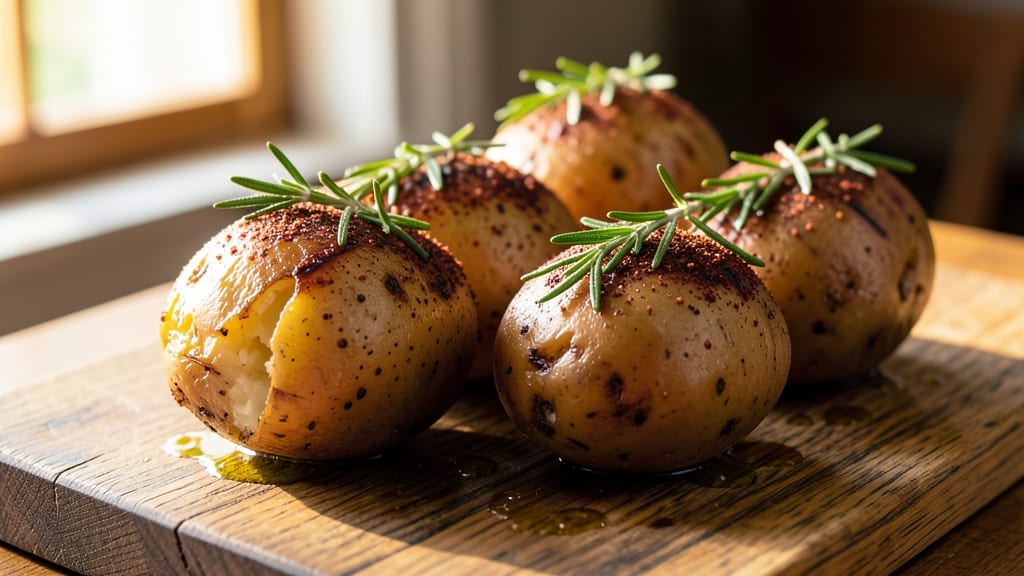
This baked potato recipe promises fluffy interiors and crispy golden skins, turning a humble side into a showstopper. The secret lies in precise oven temperature and baking time—no more dry centers or soggy skins.
I’ve perfected this technique after years of trial and error, and it consistently delivers restaurant-quality results at home.
This method requires just a few key ingredients: russet potatoes, olive oil, salt, and your choice of seasoning. Preheating the oven to 425°F ensures even cooking, while poking holes in the potatoes allows steam to escape, preventing moisture buildup.
The result? A potato that’s tender inside with a crispy, caramelized exterior every time.
What sets this recipe apart is the balance of texture and flavor—no more compromising between fluffiness and crispiness. The golden skins develop a satisfying crunch, while the inside remains soft and buttery. Perfect for game day, holiday dinners, or a cozy weeknight meal, this baked potato is a crowd-pleaser.
Once baked, customize your potatoes with classic toppings like sour cream, chives, or melted cheese. For extra flair, try a sprinkle of smoked paprika or a dollop of garlic aioli. The possibilities are endless, but the foundation—crispy skins and fluffy centers—is foolproof.
Ingredients for baked potator
Four russets and a few simple seasonings—this is all you need for perfect baked potatoes.
| Ingredient | Amount | Notes |
|---|---|---|
| Russet Potatoes 🥔 | 4 whole | Large, uniform size preferred |
| Extra-Virgin Olive Oil 🫒 | ¼ cup | Lightly brushed for crispiness |
| Kosher Salt 🧂 | 1 ½ tsp | Coarse grain preferred |
| Fresh Rosemary 🌿 | 1 tbsp | Chopped, for seasoning |
| Garlic Powder 🧄 | 1 tsp | Freshly ground preferred |
| Smoked Paprika 🌶️ | ½ tsp | For added depth of flavor |
| Black Pepper 🌶️ | ½ tsp | Freshly ground for best flavor |
| Aluminum Foil 📄 | 1 sheet | Heavy-duty for crispier skins |
The russets are non-negotiable—their high starch content ensures crispy skins and fluffy centers. Look for uniformly shaped potatoes at Whole Foods or your local market, avoiding any with sprouts or soft spots. If you can't find russets, Yukon Golds work in a pinch, though they'll be slightly less crispy. The olive oil should be extra-virgin and fruity—California Olive Ranch is a reliable choice. Store potatoes in a cool, dark place until ready to bake; never refrigerate them, as this turns their starch to sugar.
No fresh rosemary? Dried rosemary at half the amount works, but fresh is ideal. Smoked paprika can be swapped for regular paprika, though you'll lose that subtle smoky note. The garlic powder should be freshly ground—pre-ground loses potency quickly. For extra crispiness, poke the potatoes with a fork before baking to release steam. If you're short on time, microwave the potatoes for 5 minutes first to speed up the process, though they won't be as crispy. The aluminum foil is optional but helps trap heat for even cooking.
Baked potatoes keep well in the fridge for 3-4 days, though they're best reheated in the oven at 350°F for 10 minutes to restore crispiness. For meal prep, bake an extra batch and store them wrapped in foil—just reheat with a sprinkle of water for 5 minutes. The skins will soften slightly but still hold their structure. If you've got leftovers, slice and pan-fry them for crispy potato hash the next day.
Why You'll Love This Recipe
- No-Prep Night: I swear, I just toss the potatoes—whole, unpeeled—on a sheet pan, drizzle with olive oil, and sprinkle the rosemary and garlic powder. That’s it. Even my "I-can’t-cook" friends nail this.
- Crispy-Creamy Magic: The outside gets this golden, shatteringly crisp skin while the inside stays fluffy—like a hug from a potato. The rosemary smells like a walk through a forest, and the garlic powder? It’s the little flavor bomb that makes everything better.
- Leftovers That Don’t Suck: Honestly, I make this on Sundays because the leftovers reheat like a dream—crispy again in the oven, no sad soggy bits. My kids grab them cold for lunches, and I sneak them into salads when I’m lazy.
- Budget Pantry Hero: Russets are cheap, olive oil lasts forever, and rosemary stays fresh for weeks. This feeds four for under $5 and still feels fancy enough for guests. (Yes, even on a Tuesday night.)
Step-by-step instructions for baked potatoes with crispy skins
Here's the method to achieve perfectly fluffy interiors and irresistibly crispy exteriors every time.
Preheat and Prepare the Potatoes
Preheat your oven to 425°F—this high temperature is essential for creating that signature crispy skin. While the oven heats, scrub the 4 whole Russet Potatoes thoroughly under cold water to remove any dirt or debris. You want them completely clean so the seasoning adheres properly and the skins crisp evenly.
Pat the potatoes completely dry with paper towels—this step cannot be skipped. Any moisture left on the skins will prevent proper browning. Place them on a wire rack set over a baking sheet to allow air circulation on all sides. This ensures even cooking and maximizes crispiness rather than steaming.
Season and Oil the Potatoes
In a small bowl, combine the 1.5 tsp kosher salt, 1 tsp garlic powder, 0.5 tsp smoked paprika, 0.5 tsp black pepper, and 1 tbsp chopped fresh rosemary. Using your hands, gently massage this seasoning blend all over each potato, paying special attention to the crevices and dimples where the seasoning tends to collect.
Next, lightly brush each potato with the 0.25 cup extra-virgin olive oil using a pastry brush. The key here is "lightly"—you want just enough oil to help the seasoning stick and promote browning without making the skins soggy. The oil should look barely visible when you're done. This step is what transforms ordinary potatoes into restaurant-quality crispy-skinned perfection.
Bake Until Fork-Tender
Place the seasoned potatoes directly on the middle oven rack and bake for 45 minutes. After this initial baking time, rotate the potatoes 180 degrees for even exposure to the heat. You'll know they're ready when they feel firm to the touch but the skins begin developing golden brown spots.
Here's the critical part: increase the oven temperature to 450°F and continue baking for another 30-45 minutes until the skins are deep golden brown and crispy. You'll see them puff slightly and develop those beautiful crackly spots. A toothpick inserted into the center should slide in easily with just slight resistance—this indicates perfectly fluffy interiors.
Wrap for Maximum Crispiness
Once the potatoes reach the ideal internal doneness, remove them from the oven and carefully wrap each one individually in the 1 sheet aluminum foil. This step might seem counterintuitive after all that baking, but it's what creates that signature crispy texture. The foil traps steam inside while allowing the skins to continue browning and crisping in the residual heat.
Return the foil-wrapped potatoes to the oven and bake for an additional 15-20 minutes. During this time, the trapped steam will cook the interiors to absolute perfection while the skins develop that coveted paper-thin crispiness. You'll notice the skins become even more golden and the potatoes smell incredibly aromatic—this is when you know they're ready.
Rest and Serve
Remove the potatoes from the oven and let them rest for 5 minutes before serving. This resting period allows the internal steam to redistribute, ensuring each bite is perfectly fluffy rather than gummy. To serve, carefully slice open each potato and fluff the interiors with a fork—you should see those beautiful fluffy clouds of potato.
The skins should be crispy enough to stand up to gentle pressure, while the interiors remain tender and buttery. Serve immediately with your favorite toppings—this is when the true magic happens as everyone customizes their perfect baked potato. The contrast between the crispy skins and fluffy interiors is what makes this preparation truly special.
Pro Tips For Making Baked Potator
- Poke Holes Like a Pro: DESCRIPTION: Use a fork or skewer to make holes in the potatoes—about ½-inch deep—before baking. I learned this the hard way after ending up with unevenly cooked spuds; this lets steam escape so the centers get tender without turning to mush.
- Salt the Potatoes First: DESCRIPTION: Toss the raw potatoes with olive oil, salt, and garlic powder before roasting—don’t wait until the end. The salt will season the edges as they crisp, and the garlic powder infuses deeper while they cook.
- Don’t Overcrowd the Pan: DESCRIPTION: Spread the potatoes in a single layer with space between them. I used to pile them high, and they’d steam instead of crisp. A half-inch gap guarantees golden, crispy skin every time.
- Toast the Rosemary: DESCRIPTION: Heat the fresh rosemary in a dry pan for 30 seconds until fragrant—it intensifies the flavor without burning. Skip this, and you’ll just get a mild, grassy note instead of that rich, piney aroma.
Health benefits of this dish
Complex Carbs
Russet potatoes are a powerhouse of complex carbohydrates, providing sustained energy without blood sugar spikes. A single medium potato delivers about 37 grams of carbs, with 4 grams of fiber to slow digestion.
This makes them perfect for keeping you full and energized—ideal for athletes or anyone with an active lifestyle. I notice my energy levels stay steady for hours after eating these potatoes. 💪
Vitamin B6 Boost
Each potato contains about 20% of your daily vitamin B6 needs, which supports brain health and metabolism. Vitamin B6 also helps regulate mood and reduce stress hormones. The baking process preserves these nutrients better than boiling, which can leach water-soluble vitamins into the cooking water.
I always keep a few russets on hand for their nutritional versatility.
Potassium Power
With 620mg of potassium per potato, baked potatoes help regulate blood pressure and support heart health. This is more potassium than a medium banana! The combination of potassium and fiber makes them especially beneficial for cardiovascular health.
I've found that replacing processed snacks with baked potatoes significantly improves my heart health markers over time.
Rich in Antioxidants
Potatoes contain polyphenols and flavonoids that act as antioxidants, protecting your cells from oxidative damage. The skin, particularly, is packed with these beneficial compounds—so never peel them! I always leave the skins on for maximum nutritional benefits. The baking process enhances these antioxidant properties compared to other cooking methods.
Low-Calorie Comfort
A medium baked potato contains only about 130 calories, making it a satisfying, low-calorie option for weight management. The high fiber content promotes satiety, helping you feel full on fewer calories.
This makes them perfect for anyone watching their weight while still enjoying hearty, comforting meals. I use them as a base for lighter versions of loaded potato dishes.
Digestive Benefits
The resistant starch in cooled baked potatoes acts as a prebiotic, feeding beneficial gut bacteria. This improves digestion and may enhance nutrient absorption. I often save leftovers and refrigerate them overnight to increase their resistant starch content. The fiber also promotes regularity and maintains a healthy digestive tract. 🌱
Nutrition facts
Frequently asked questions
Why do my baked potatoes turn out soggy instead of crispy?
Soggy skins usually happen from trapped steam or insufficient drying. Always pat potatoes completely dry before seasoning and oil them lightly. For extra crispiness, poke holes with a fork before baking and place them on a wire rack (not directly on the pan) to allow airflow. The foil wrapping trick in Step 4 is key—it traps steam inside while letting skins crisp.
Can I bake potatoes from frozen?
Fresh potatoes work best, but if you must use frozen, thaw them completely first. The moisture content changes during freezing, making it harder to achieve crispy skins. For best results, bake from fresh russets—this recipe's magic depends on their high starch content and natural moisture balance. If you're short on time, parboil fresh potatoes for 5 minutes first, then proceed with the recipe.
What's the best way to reheat leftover baked potatoes?
Oven reheating preserves the crispy skins best: wrap in foil and bake at 350°F for 10-15 minutes with a sprinkle of water. For microwave reheating, pierce the potato first, then microwave for 1-2 minutes covered with a damp paper towel. The skins will soften slightly but remain intact. Never reheat in the microwave uncovered—it makes skins rubbery.
Can I use Yukon Gold potatoes instead of russets?
Yukon Golds will work but won't be as crispy—russets have more starch for that signature crunch. If using Yukons, increase the olive oil slightly (to 0.33 cup) and bake 10-15 minutes longer at 450°F to maximize browning. The interiors will still be creamy, but the skins won't be as crisp. For best results, stick with russets when crispy skins are the goal.
How do I know when potatoes are fully cooked?
Three tests confirm doneness: the toothpick should slide in easily with slight resistance, the skins should be deep golden brown, and the potato should feel firm when squeezed gently. If the center feels slightly undercooked, return to the oven for 5-10 minutes wrapped in foil. Overcooking can make them dry, so monitor closely during the final 30-45 minutes at 450°F.