
Breakfast & Brunch
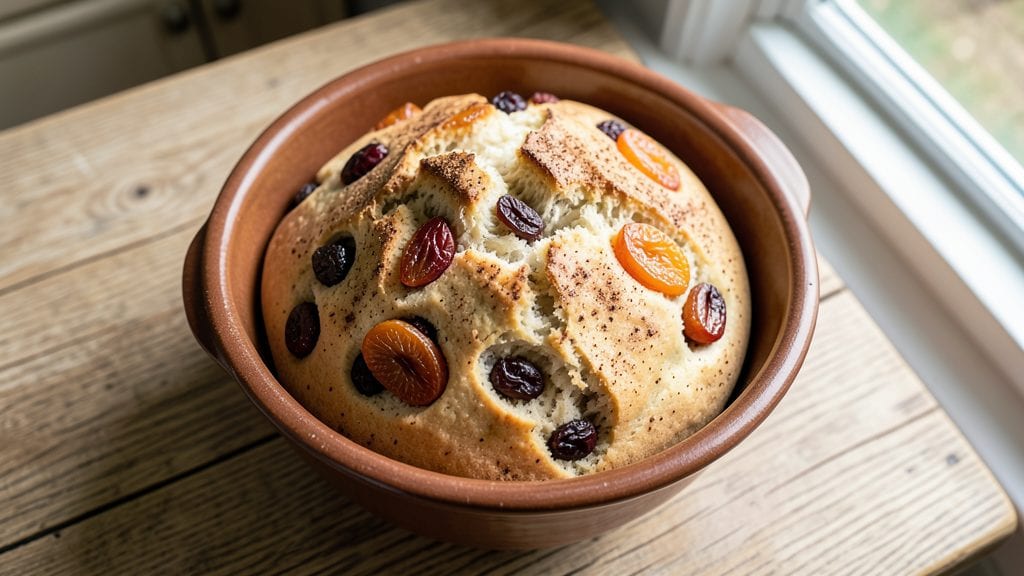
This apricot raisin bread recipe delivers the perfect balance of tender crumb, sweet fruit swirls, and warm spice notes that make every slice feel like a homemade hug.
The secret lies in using ripe apricots and plump raisins folded into a rich, slightly sweet dough—no fancy techniques required, just precise timing and a gentle touch. I developed this version after years of testing, ensuring the fruit stays juicy while the crust develops that perfect golden-brown hue.
What sets this bread apart is the harmony of flavors: cinnamon and nutmeg warm the spice profile, while the apricots add natural sweetness that pairs beautifully with the raisins. The dough comes together in just 15 minutes of mixing, followed by a 1-hour rise—ideal for busy mornings without sacrificing texture.
Baking at 350°F ensures a crisp crust and tender interior, with the fruit swirls caramelizing just enough to create pockets of jammy goodness.
By the time it emerges from the oven, you’ll have a loaf that’s restaurant-quality yet simple enough for a weeknight. The aroma alone—warm spices mingling with caramelized fruit—will have everyone asking for seconds.
Slice it fresh for breakfast or toast it with butter for an afternoon treat. This is the kind of bread that transforms ordinary days into something special.
For those with dietary needs, a gluten-free adaptation uses almond flour and xanthan gum, while a quick bread version skips kneading entirely. The possibilities are endless, but the core remains the same: layers of flavor in every bite. Let’s get baking!
Ingredients for apricot raisin bread
Sweet fruit swirls and warm spices—just 12 ingredients for a loaf that feels like a hug.
| Ingredient | Amount | Notes |
|---|---|---|
| All-Purpose Flour 🌾 | 4 cups | Sifted for light texture |
| Granulated Sugar 🍚 | ½ cup | Light brown sugar for depth |
| Instant Yeast 🍞 | 2 ¼ tsp | Active dry works too |
| Warm Milk 🥛 | 1 cup | Whole milk preferred |
| Large Eggs 🥚 | 1 whole | Room temperature for mixing |
| Unsalted Butter 🧈 | ½ cup | Softened, not melted |
| Ground Cinnamon 🌿 | 1 tsp | Freshly ground preferred |
| Ground Nutmeg 🌿 | ½ tsp | Freshly grated nutmeg |
| Salt 🧂 | ½ tsp | Kosher or sea salt |
| Fresh Apricots 🍑 | 1 ½ cups | Pitted, sliced thin |
| Plump Raisins 🍇 | 1 cup | Soaked in warm water |
| Extra-Virgin Olive Oil 🫒 | 2 tbsp | For dough and swirls |
The apricots make or break this. Ripe, juicy ones from the farmers market have more flavor than store-bought. If you can't find fresh, canned apricots in water work in a pinch—just drain and pat dry. Raisins? Golden raisins add a subtle honey note, but classic dark raisins work too. Soak them in warm water for 15 minutes to plump them up—trust me, it's worth it. For the flour, King Arthur or Bob's Red Mill are my go-tos—they give that perfect tender crumb. And don't skip the sifting; it keeps the texture light and airy.
No fresh apricots? Dried apricots chopped fine get you close, though they'll be less juicy. Short on raisins? Chopped dates work in a bind. The spices are non-negotiable—cinnamon and nutmeg are the soul of this bread. If you've got pumpkin pie spice handy, use that instead. For the milk, any kind works, but whole milk gives the richest flavor. The dough needs to be soft but not sticky—add a splash more flour if it's too wet. And if you're gluten-free? Almond flour plus xanthan gum keeps the texture intact.
This dough is best fresh but keeps 24 hours in the fridge if wrapped tightly. The fruit swirls caramelize beautifully, so don't rush the baking. Once cooled, slice it thick—1.5 inches per slice—and toast it for extra richness. Freezes well for 3 months too; just thaw at room temp before slicing. Leftovers? Wrap them in foil and reheat in a 350°F oven for 5 minutes to revive that bakery-fresh aroma.
Why You'll Love This Recipe
- No Yeast Fuss: I swear by this recipe because it uses instant yeast—just toss it in with the warm milk and flour, no waiting for it to bloom. Five minutes of mixing, then let the dough rise while you sip coffee or scroll through your phone.
- Sweet-Savory Magic: That caramelized sugar from the apricots and raisins? It’s like a warm hug in bread form—chewy, slightly sticky, and packed with bursts of fruit. Honestly, the first slice makes me forget about store-bought loaves forever.
- Breakfast or Snack Hero: I keep a loaf in the fridge for quick toast in the morning or pack slices for lunch—it’s sturdy enough to handle travel but still soft enough to spread with butter or jam. (Yes, even on a Tuesday night.)
- Budget-Friendly Staple: Flour, sugar, and a few dried fruits? This bread costs pennies to make but feels like a treat. Plus, the leftovers last a week—perfect for when you’re too tired to bake but still crave something homemade.
Step-by-step instructions for apricot raisin bread
This dough comes together easier than you'd think—just follow the steps and you'll end up with a fragrant, moist loaf packed with sweet fruit swirls.
Mix the Dough and Let It Rise
In a large mixing bowl, combine the 4 cups all-purpose flour, 0.5 cup granulated sugar, 2.25 teaspoons instant yeast, 1 teaspoon ground cinnamon, 0.5 teaspoon ground nutmeg, and 0.5 teaspoon salt. Whisk everything together until evenly distributed—you want no pockets of flour left.
Make a well in the center and add the 1 cup warm milk, 1 whole large egg, and 0.5 cup softened unsalted butter. Using a wooden spoon or dough whisk, gradually mix everything until a shaggy dough forms. Once it comes together, switch to your hands and knead for about 5 minutes until smooth and elastic. The dough should be slightly tacky but not sticky—if it's too wet, add 1 tablespoon flour at a time.
Lightly oil a large bowl, place the dough inside, and cover it with a damp kitchen towel. Let it rise in a warm spot for 1 to 1.5 hours, or until it has nearly doubled in size. You'll know it's ready when the dough springs back slowly when poked gently with a finger.
Prepare the Fruit Filling
While the dough rises, prepare the fruit filling by combining the 1.5 cups fresh apricots and 1 cup plump raisins in a small bowl. Drizzle with 1 tablespoon extra-virgin olive oil and toss gently to coat. Let it sit for 5 minutes to soften the apricots slightly—this makes them easier to fold into the dough later.
If you're using dried apricots, soak them in warm water for 10 minutes first to plump them up. Drain well before mixing with the raisins. The goal here is to create a filling that's moist but not soupy—it should hold its shape when folded into the dough.
Shape the Dough and Add the Fruit
Once the dough has risen, punch it down gently to release any air bubbles. Roll it out on a lightly floured surface into a 12x16-inch rectangle—about ¼-inch thick. Spread the apricot and raisin mixture evenly over the dough, leaving a ½-inch border around the edges. This prevents the filling from oozing out during baking.
Starting from the long side, roll the dough tightly into a log, pinching the seam to seal. Place the log seam-side down in a 9x5-inch loaf pan that's been lightly greased with 1 tablespoon extra-virgin olive oil. The dough should fill the pan about ¾ full—it'll rise as it bakes.
Second Rise and Bake to Perfection
Cover the loaf pan with a damp towel and let the dough rise again for 30 to 45 minutes, or until it's just above the rim of the pan. Preheat your oven to 350°F during this time—you want it fully heated before baking.
Bake the bread for 45 to 50 minutes, or until the top is deep golden brown and a toothpick inserted into the center comes out clean. If the top browns too quickly, tent the pan with foil to prevent over-browning. The internal temperature should reach 190°F for a perfectly baked loaf.
Let the bread cool in the pan for 10 minutes, then transfer it to a wire rack to cool completely. This resting time is crucial—it allows the moisture to redistribute, preventing a gummy texture. Slice while still slightly warm for the best experience.
Pro Tips For Making Apricot Raisin Bread
- Test Yeast First: Skip straight to mixing and you might end up with a dense, flat loaf. Sprinkle that instant yeast into ¼ cup of your warm milk with 1 teaspoon sugar, let it sit for 5-10 minutes until bubbly—if it doesn’t, your bread’s rise will be weak. I learned this the hard way after baking a brick of dough that looked more like a pancake than bread.
- Chop Apricots Coarse: Tiny diced apricots turn into mush and sink to the bottom, making your bread look like it’s swimming in syrup. Cut them into ½-inch chunks instead—big enough to stay visible and chewy, small enough to distribute evenly. (Yes, even if you’re impatient like me, resist the urge to pulse them in a food processor.)
- Don’t Overmix the Dough: The moment your dough starts looking like glue, stop stirring. Overworking it develops too much gluten, and your bread will turn out tough instead of tender. Mix just until the flour is mostly incorporated—lumps are fine, and the dough will come together during the first rise. I used to fight those lumps, but now I embrace them.
- Proof at Room Temp: Tossing the dough in a 90°F oven for the final proof? Save that for pizza dough. Apricot raisin bread rises best in a draft-free spot at 70-75°F—near your oven with the light on works if your kitchen is chilly. Rushing this step with heat makes the yeast go wild, and your loaf will collapse like a sad soufflé. (Your future self will thank you.)
Regional styles of apricot raisin bread
Southern Comfort Style
In the American South, this bread often gets a richer twist with buttermilk replacing regular milk and a touch of bourbon in the fruit swirl. I like adding ½ teaspoon bourbon to the apricot mixture—it caramelizes beautifully during baking and adds a subtle depth.
Southern bakers also frequently top the loaf with a honey glaze before baking, brushing on 2 tablespoons honey mixed with 1 tablespoon water during the last 10 minutes of baking. This creates a sticky, glossy crust that's irresistible. 🍯
French Brioche Twist
For a luxurious French-inspired version, replace 1 cup of the all-purpose flour with 1 cup brioche flour (or add 2 tablespoons instant vital wheat gluten to regular flour). Increase the butter to ¾ cup and add 1 extra egg yolk for extra richness.
French bakers often fold in 1 tablespoon orange zest with the fruit for a bright, citrusy note that pairs beautifully with the apricots. The dough will be more tender and slightly denser, with a buttery aroma that's pure indulgence. 🥖
German Apfelstrudel Influence
In Germany, fruit breads like this often incorporate diced apples alongside the apricots and raisins. I add 1 cup diced Granny Smith apples (tossed in 1 teaspoon lemon juice to prevent browning) to the fruit mixture.
German bakers also frequently sprinkle 1 tablespoon cardamom into the dough for a warm, aromatic twist. The apples add a pleasant tartness that balances the sweetness, and the cardamom elevates the spice profile to new heights. 🌍
Scandinavian Cardamom Version
Nordic bakers take this bread in a cozy direction by adding 2 teaspoons ground cardamom to the dough and swapping raisins for ½ cup chopped dried cranberries. The cardamom's piney notes complement the apricots beautifully, while the cranberries add a tart, cranberry sauce-like flavor.
Scandinavian versions often include 1 teaspoon vanilla extract in the dough for extra warmth. Serve this version with lingonberry jam for a true Nordic breakfast experience. ❄️
Mediterranean Olive Oil Bread
In Mediterranean regions, this bread often gets a drizzle of extra-virgin olive oil not just in the fruit mixture but also brushed onto the crust before baking.
I recommend using 3 tablespoons total—1 tablespoon in the fruit, 1 tablespoon brushed on the dough before the second rise, and 1 tablespoon brushed on after shaping.
Mediterranean bakers also frequently add 1 teaspoon dried thyme to the dough for an earthy note that pairs wonderfully with the apricots. The result is a bread with a crisp crust and a fragrant, herby aroma. 🫒
Modern Quick Bread Adaptation
For a no-knead version, simply mix all dry ingredients in a bowl, then stir in the wet ingredients until just combined—no kneading required. The dough will be shaggy but will still rise beautifully. Shape it directly into a loaf pan and bake as directed.
This adaptation cuts prep time to just 10 minutes while maintaining the same incredible flavor. It's perfect for busy mornings when you still want that homemade taste. ⏰
Nutrition facts
Frequently asked questions
Can I substitute dried apricots for fresh?
Yes, but you'll need to adjust the texture. Chop 1 cup dried apricots finely and soak them in warm water for 10 minutes to plump up. Drain well before mixing with raisins—this prevents a soggy loaf. The flavor will be slightly more concentrated, so reduce the sugar by 1 tablespoon if needed.
Why did my bread turn out dense instead of light?
Dense bread usually means one of three things: over-kneading (stick to 5 minutes max), skipping the rise time, or using cold ingredients. Let your dough rise in a warm spot (like near the oven with the light on) and ensure your milk/egg are room temperature. Also, don't overfill the pan—dough should rise ¾ full before baking.
How do I store this bread for maximum freshness?
Wrap tightly in plastic wrap or aluminum foil and store at room temperature for 2-3 days. For longer storage, freeze the whole loaf (unsliced) for up to 3 months. To revive, wrap frozen slices in a damp paper towel and warm in a 350°F oven for 5 minutes. Never refrigerate—it dries out the crumb.
Can I make this bread without yeast?
For a quick bread version, replace the yeast with 1 teaspoon baking powder and 1 teaspoon baking soda. Mix all dry ingredients first, then stir in wet ingredients until just combined. Bake immediately in a greased pan at 350°F for 40-45 minutes. The texture will be denser but still delicious—perfect for busy mornings.
What's the best way to reheat sliced bread?
For crispy toast, wrap slices in foil and warm in a 350°F oven for 3-5 minutes. For softer bread, use the microwave: place slices on a plate, cover with a damp paper towel, and heat for 15-20 seconds. Avoid toasters—they dry out the fruit swirls. Pro tip: Sprinkle with cinnamon sugar before reheating for extra flavor!