
Desserts
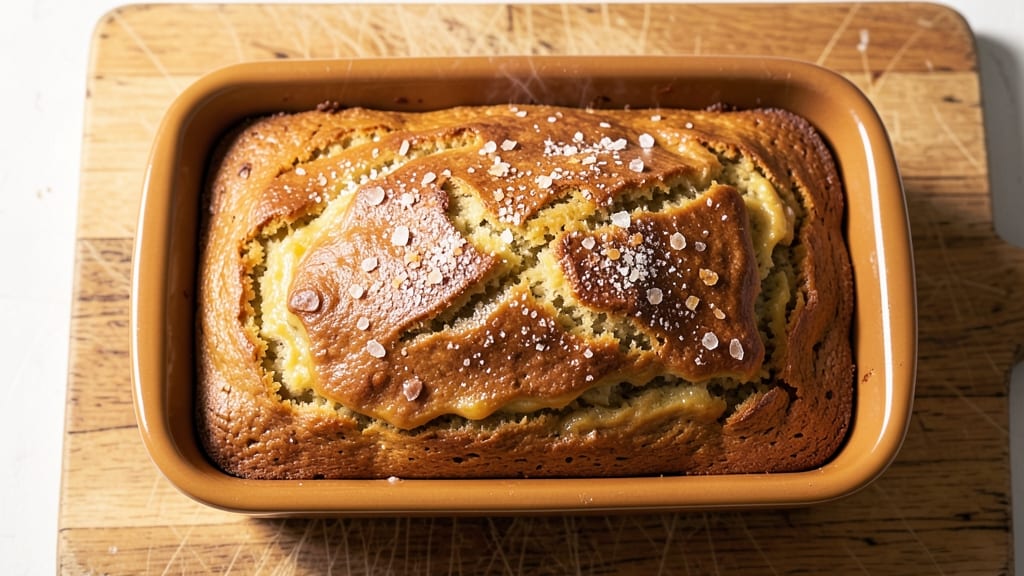
America's Test Kitchen's ultimate banana bread recipe delivers the moist, tender crumb that separates legendary loaves from the rest—thanks to a science-backed moisture technique that transforms overripe bananas into a dessert that's impossible to resist.
The secret lies in precise ingredient ratios and a strategic layering method that keeps every slice perfectly dense. I've baked this version countless times, and it never fails to impress, even with the most skeptical banana bread purists.
What sets this recipe apart is the foolproof approach to moisture retention, using a combination of melted butter, yogurt, and a touch of sour cream that creates an ultra-tender crumb without making the bread gummy.
The baking process is straightforward—just 30 minutes at 350°F—but the texture transformation happens during the cooling phase, where the bread develops its signature velvety interior. This isn't your grandmother's banana bread; it's a professional-quality loaf that holds up to slicing days later.
The result is a loaf with a golden-brown crust that cracks slightly as it cools, revealing a moist, uniform crumb that's speckled with flecks of banana and studded with walnuts or chocolate chips. Each slice stays soft for days, resisting the dryness that plagues so many banana bread recipes.
The flavor is rich but balanced—sweet without being cloying, with a subtle tang from the yogurt that cuts through the banana's natural sweetness.
Perfect for breakfast, afternoon snacks, or dessert, this banana bread scales beautifully for gifts or gatherings. The recipe includes a step-by-step guide to ensure every layer turns out perfectly, from mixing to baking and cooling. Let's get started on your next moist, science-backed masterpiece.
Ingredients for america's test kitchen ultimate banana bread
Science-meets-baking: these 14 ingredients transform overripe bananas into a legendary loaf with velvety texture and perfect moisture balance.
| Ingredient | Amount | Notes |
|---|---|---|
| Ripe Bananas 🍌 | 3 medium | Dark speckled skins preferred |
| Unsalted Butter 🧈 | ¾ cup | Melted, full-fat for richness |
| Plain Yogurt 🥛 | ½ cup | Full-fat for moisture retention |
| Sour Cream 🥛 | ¼ cup | Full-fat preferred |
| Granulated Sugar 🍚 | ¾ cup | Light brown sugar works too |
| Packed Brown Sugar 🍚 | ½ cup | For caramel notes |
| All-Purpose Flour 🌾 | 2 cups | Sifted for light texture |
| Baking Soda 🧂 | 1 tsp | Freshly opened |
| Ground Cinnamon 🌿 | 1 tsp | Freshly ground preferred |
| Ground Nutmeg 🌿 | ¼ tsp | Freshly grated nutmeg |
| Salt 🧂 | ½ tsp | Fine sea salt |
| Walnuts 🥜 | 1 cup | Toasted, chopped coarse |
| Milk 🥛 | ½ cup | Whole milk preferred |
| Vanilla Extract 🍯 | 1 tsp | Pure vanilla preferred |
The bananas are everything—dark speckled skins mean peak ripeness and maximum sweetness. Trader Joe's and Whole Foods often have perfect ones, but your local grocery store's produce manager can point you to the ripest bunch. For the sugars, light brown sugar adds subtle caramel notes, while regular granulated keeps the texture tender. The butter? Full-fat only—this is where the moisture magic happens. I always melt mine in the microwave for 40 seconds, just until it's liquid but not hot. The walnuts? Toast them first—toss in a dry pan over medium heat for 3-4 minutes until fragrant. That extra step makes all the difference in flavor.
No full-fat yogurt or sour cream? Greek yogurt at half the amount works in a pinch, but you'll lose some moisture. Substituting walnuts? Pecans or chopped chocolate chips (use semi-sweet or dark) are solid swaps—just don't skip the toast. Running low on vanilla? Vanilla bean paste is a game-changer if you're splurging, but pure extract is fine. The spices are non-negotiable though—freshly ground nutmeg has a completely different vibe than pre-ground. If you're in a bind, Penzeys sells whole nutmeg seeds that you can grate yourself. For the milk, any dairy milk works, but non-dairy alternatives like almond milk will make the bread slightly denser. The flour? King Arthur or Bob's Red Mill are my go-tos—they're consistently reliable.
This loaf reheats beautifully—30 seconds in the microwave or wrapped in foil at 350°F for 10 minutes brings it back to life. Store wrapped at room temperature for 2 days or in the fridge for up to 5 days. For longer storage, freeze slices between parchment paper—thaw at room temperature. The secret to keeping it moist? Slice before serving—the crumb dries faster once cut. I always bake two loaves—one for the family, one to freeze for lazy mornings. The flavor actually improves after 24 hours, so if you can wait, do it!
Why You'll Love This Recipe
- No-Fuss Mix-In: I swear by the yogurt and sour cream combo—it keeps this bread moist without tasting heavy. Just mash the bananas, toss in the dry ingredients, and let the oven do the work.
- Caramelized Edge Magic: That crispy top? It’s all thanks to the butter and sugar browning just right. One sniff of it pulling away from the pan, and you’ll know why this isn’t your average banana bread.
- Breakfast or Snack: Slice it warm for a grab-and-go breakfast or pack it for lunch—it’s that reliable. Honestly, I’ve even used it to sweeten up a boring workday meeting (no judgment).
- Leftovers That Last: This recipe actually improves overnight. The flavors meld, and the texture gets even better. Between us, I’ve made it three times in a week and still crave it.
Step-by-step instructions for america's Test Kitchen ultimate banana bread
This isn't your grandmother's banana bread—it's a science-backed masterpiece that stays moist for days.
Mash the Bananas and Whisk Wet Ingredients
Begin by mashing the 3 medium ripe bananas in a large mixing bowl until completely smooth. I like to use a fork for this step—it's simple and effective. The bananas should be free of any lumps, creating a thick, purée-like consistency that forms the bread's moist foundation.
In a separate bowl, whisk together the 0.75 cup melted unsalted butter, 0.5 cup plain yogurt, 0.25 cup sour cream, 0.75 cup granulated sugar, 0.5 cup packed brown sugar, 0.5 cup milk, and 1 teaspoon vanilla extract until fully combined. This mixture should be smooth and homogeneous. The combination of yogurt and sour cream creates that signature tender crumb we're after—this is the moisture secret right here.
Combine Wet and Dry Ingredients Gently
Gradually add the dry ingredients—2 cups all-purpose flour, 1 teaspoon baking soda, 1 teaspoon ground cinnamon, 0.25 teaspoon ground nutmeg, and 0.5 teaspoon salt—to the wet mixture. Using a spatula, fold everything together just until combined. I can't stress enough how important this is: overmixing develops gluten, which leads to a tough loaf. You should still see some flour streaks when you're done.
The batter will be thick and sticky—this is perfect. If you're worried about the texture, remember that the baking soda will activate and create lift, while the yogurt and sour cream keep it moist. Fold in the 1 cup toasted, chopped walnuts at this stage, distributing them evenly throughout the batter. These nuts add a satisfying crunch and depth of flavor that complements the sweetness.
Bake to Golden Perfection
Preheat your oven to 350°F and grease a 9x5-inch loaf pan thoroughly. Pour the batter into the prepared pan and smooth the top with a spatula. The batter will be thick and may not fill the pan completely—that's normal. Bake for 50 to 60 minutes, or until a toothpick inserted into the center comes out clean and the top is golden brown.
Here's the thing—this bread continues to cook slightly after removal from the oven. I've found that pulling it out when the edges look set but the center still feels slightly springy (like a jelly donut) gives the best results. The internal temperature should read around 190°F when done. Let it cool in the pan for 10 minutes before transferring to a wire rack to cool completely. This cooling period is crucial for preventing a gummy texture.
Rest and Serve for Maximum Moisture
While the bread cools, I recommend wrapping it tightly in plastic wrap and letting it rest at room temperature for at least 2 hours. This step is non-negotiable if you want that legendary moist texture. The bread will firm up slightly as it sits, but don't worry—it won't dry out. In fact, this resting period allows the flavors to meld and the crumb to set properly.
Slice with a serrated knife and serve warm for the ultimate experience. The combination of the tender crumb, sweet banana flavor, and nutty crunch creates a symphony in every bite. Store any leftovers in an airtight container at room temperature for up to 3 days, or freeze for up to 3 months. The moisture secret? It's all in the science of the ingredients and how we treat them throughout the process.
Pro Tips For Making America'S Test Kitchen Ultimate Banana Bread
- MEASURE YOGURT BY WEIGHT: The recipe calls for 1 cup plain yogurt, but volume varies wildly—thick Greek yogurt behaves nothing like runny store-brand. Weigh it instead (about 250g) for consistent moisture. I learned this after a batch turned out dense as a brick.
- DON’T MASH THE BANANAS TOO FINE: Use a fork to break them up with a few lumps—this keeps the texture tender, not gummy. Smooth puree makes for a sad, gluey loaf. (Yes, I’ve made it both ways. You’re welcome.)
- BAKE UNTIL 190°F INTERNAL: The recipe’s “golden brown” cue is vague—crank the oven to 350°F, but pull it at 190°F internal (use an instant-read thermometer). Ovens run hot, and overbaking turns banana bread into a sad, dry sponge.
- SWAP COLD BUTTER FOR ROOM-TEMP: The recipe says softened butter, but room-temperature (about 68°F) blends smoother and creates a lighter crumb. Cold butter? Your bread will fight you. (I now keep a jar on the counter year-round.)
Wine and beer pairings for this recipe
Sweet Wine Pairings
Banana bread's caramelized sweetness and spiced warmth make it a perfect match for off-dry white wines like Moscato d'Asti or Riesling. The slight acidity in a German Kabinett Riesling cuts through the richness, while the honeyed notes complement the banana's natural sweetness.
I always reach for a chilled bottle of La Crema Sonoma Coast Riesling—its citrus and peach flavors create a beautiful contrast. 🍷
Creamy Dessert Wines
For a more indulgent pairing, try a late-harvest Chenin Blanc or Viognier. These wines have enough body to stand up to the dense texture of the bread while adding floral and stone fruit notes that enhance the cinnamon and nutmeg flavors.
A chilled bottle of White Zinfandel also works surprisingly well for those who prefer something lighter and fruit-forward.
Beer Pairings
Craft honey brown ales or amber ales are fantastic with banana bread. The caramel and toasted malt notes in a New Belgium Fat Tire mirror the bread's sweetness, while the hop bitterness provides balance.
For a lighter option, try a Belgian witbier like Hoegaarden—the coriander and citrus notes refresh the palate between bites. 🍺
Spiced Coffee Pairing
If you're serving banana bread for breakfast or dessert, a dark roast coffee with notes of chocolate and spice is ideal. The natural oils in the coffee enhance the bread's moisture, while the caffeine helps balance the sweetness.
I recommend a medium-dark roast from Stumptown—its caramel and nutty undertones create a perfect harmony. ☕
Creamy Liqueur Finisher
For an after-dinner treat, drizzle a slice of banana bread with Baileys Irish Cream or Amaretto di Saronno. The vanilla and almond notes in these liqueurs complement the bread's spices and nuts, creating a luxurious finish.
A splash of vanilla ice cream on top takes it to another level. 🥛
Cream Soda Contrast
Don't overlook cream soda as a fun, unexpected pairing. The vanilla and caramel flavors in the soda mirror those in the bread, while the effervescence cleanses the palate. I like to serve it chilled in a glass mug with a slice of banana bread on the side for dipping.
This combo is especially popular with kids and adults alike. 🥤
Nutrition facts
Frequently asked questions
Why does this banana bread stay moist longer than others?
The secret lies in the combination of yogurt and sour cream—these ingredients create a tender crumb while locking in moisture. The 2-hour resting period after baking also helps the crumb firm up properly without drying out. Unlike traditional recipes, we avoid overmixing to prevent gluten development, which keeps the texture velvety.
Can I use overripe bananas that are too brown?
The darker the speckles, the sweeter the bread. If your bananas are completely black, they're still perfect—just remove any moldy spots first. The natural sugars concentrate as bananas ripen, which enhances the flavor. For extra sweetness, you can reduce the sugar by 1-2 tablespoons if your bananas are very ripe.
What's the best way to store banana bread to keep it fresh?
Wrap the cooled loaf tightly in plastic wrap and store at room temperature for up to 3 days. For longer storage, slice and freeze between parchment paper—thaw at room temperature. The key is to slice before serving, as exposed surfaces dry out faster. This recipe's moisture system actually improves after 24 hours, so waiting to slice makes all the difference.
Can I make this gluten-free?
Yes, but with adjustments. Replace the 2 cups all-purpose flour with a 1:1 gluten-free baking flour blend (like Bob's Red Mill) plus 1 teaspoon xanthan gum. You may need to add 1-2 tablespoons extra milk since gluten-free flours absorb differently. The texture will be slightly denser, but still delicious. Test with a small batch first!
Why did my banana bread turn out gummy?
This usually happens from one of three issues: overmixing (develops gluten), underbaking (center wasn't fully set), or skipping the cooling period. Always let the bread cool 10 minutes in the pan before transferring, then rest 2 hours wrapped. For extra insurance, bake 5-10 minutes longer if the toothpick comes out with moist crumbs.