
Main Courses
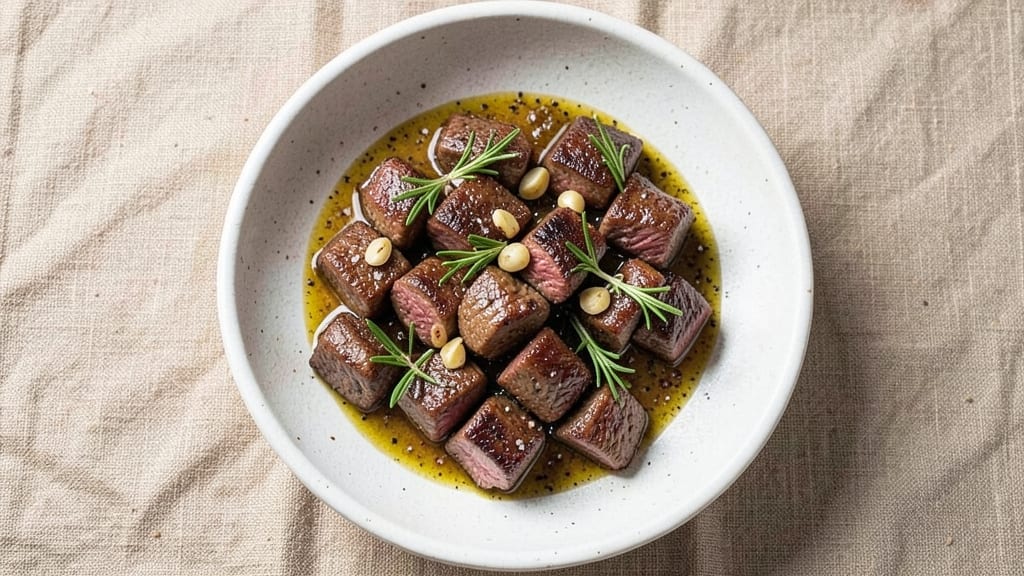
This America's Test Kitchen steak tips recipe delivers the perfect balance of crispy crusts and juicy centers every time, using a method refined through rigorous testing. The secret lies in precise timing, high-heat searing, and a herby marinade that infuses flavor without overpowering the natural beef taste.
I've adapted their foolproof technique to work in any home kitchen, ensuring restaurant-quality results without the guesswork.
What sets this recipe apart is the two-step cooking process: first searing the steak tips in a screaming-hot cast-iron skillet, then finishing them in the oven to reach the ideal internal temperature of 130°F for medium-rare.
The marinade—garlic, rosemary, and Dijon—penetrates deeply while keeping the meat tender, and the high-heat sear creates that coveted caramelized crust. No fancy equipment required, just patience and attention to detail.
By the time you plate these steak tips, you'll have perfectly juicy, herby centers with a crispy, golden-brown crust that holds its shape. The aroma alone will have everyone at the table anticipating the first bite, and the method scales easily for crowds.
Serve with chimichurri or roasted garlic potatoes for a complete meal that feels like a chef's special.
This recipe isn't just about technique—it's about confidence. Whether you're cooking for a date night or a family gathering, the precision of America's Test Kitchen ensures consistent, mouthwatering results that will impress even the most critical eaters. Let's get started with the exact steps that make this recipe legendary.
Ingredients for america's test kitchen steak tips
Precision-crafted ingredients for steak tips with perfect crusts and herby centers every time.
| Ingredient | Amount | Notes |
|---|---|---|
| Steak Tips (Beef) 🥩 | 1 ½ lb | Trimmed of excess fat, cut into 1-inch pieces |
| Extra-Virgin Olive Oil 🫒 | ¼ cup | High smoke point preferred |
| Fresh Rosemary 🌿 | ¼ cup | Finely chopped, stems removed |
| Garlic Cloves 🧄 | 6 cloves | Minced, peeled |
| Dijon Mustard 🍯 | 1 tbsp | High-quality, smooth texture |
| Kosher Salt 🧂 | 1 ½ tsp | Diamond Crystal preferred |
| Freshly Ground Black Pepper 🌶️ | 1 tsp | Coarse grind preferred |
| Unsalted Butter 🧈 | 2 tbsp | Cold, cut into small cubes |
| All-Purpose Flour 🌾 | 2 tbsp | For dredging |
| Dried Thyme 🍃 | ½ tsp | Or 1 tsp fresh thyme |
| Red Wine Vinegar 🍷 | 1 tbsp | For acid balance |
The steak tips are the foundation—chuck roast or sirloin tips work best, with good marbling for flavor and tenderness. Source from a reputable butcher or high-quality grocery store like Whole Foods or Dartmouth Farms, where the cuts are consistently trimmed and uniform. Trim any visible fat to prevent flare-ups during searing, but leave a thin layer for flavor. For the rosemary, opt for fresh sprigs from a specialty market—they hold their aroma far better than dried. The garlic should be plump and firm, not sprouting or shriveled, and the Dijon mustard should be smooth and vibrant, not grainy or separated.
No fresh rosemary? Dried rosemary works at one-third the amount, but toast it lightly in a dry pan first to revive its flavor. Substitute the red wine vinegar with lemon juice or apple cider vinegar if needed, though the tang will differ slightly. For the butter, European-style unsalted butter like Plugrá or Kerrygold adds a richer depth, but any high-quality brand will suffice. The flour is purely functional here—use bread flour if you have it for a slightly chewier crust, but all-purpose works perfectly fine. If you’re short on time, the marinade can be prepped up to 24 hours ahead and stored in the fridge, though the flavors meld best after a few hours.
Store the steak tips in the coldest part of your fridge, wrapped in parchment paper, for up to 3 days before cooking. The marinade components can be kept separately in airtight containers for 5 days, but the butter and flour should be used within 1 week for optimal texture. Once cooked, these steak tips reheat beautifully—4 minutes in a 350°F oven with a splash of broth or water restores their juiciness. For meal prep, portion the cooked steak tips into airtight containers with a pat of butter on top to keep them moist for up to 4 days in the fridge.
Why You'll Love This Recipe
- One-Pan Magic: I swear by this recipe when I’m too tired to wash extra dishes—just sear those steak tips in olive oil, toss in the garlic and rosemary, and let the mustard work its magic. The pan’s already half-cleaned by the time you’re done.
- Herb-Crusted Perfection: That rosemary and garlic combo? It clings to the steak like a flavor hug, while the Dijon mustard adds this tangy depth that makes every bite ridiculously good. No dry, boring beef here—just pure satisfaction.
- Game for Any Night: Between us, this is my go-to for date nights and lazy Sundays. Serve it over mashed potatoes for a hearty dinner, or toss it into a salad for a protein-packed lunch the next day. It’s that adaptable.
- Budget-Friendly Luxury: Steak tips are cheaper than a full cut, but they taste like a fancy cut. Honestly, I make this twice a month—once for dinner, once for leftovers that disappear faster than I can say “second helping.” Worth every penny.
Step-by-step instructions for america's Test Kitchen steak tips recipe
Master this technique for restaurant-quality steak tips with perfect crust and tender centers.
Prep and Season the Steak Tips
Pat the 1.5 lb steak tips completely dry with paper towels—this is critical for developing that perfect crust. Remove any remaining fat and cut into 1-inch pieces if they aren't already uniform in size. In a small bowl, combine 1.5 tsp kosher salt, 1 tsp freshly ground black pepper, 0.5 tsp dried thyme, and 1 tbsp Dijon mustard. Mix well to create a cohesive seasoning blend.
Apply the seasoning mixture evenly to all sides of the steak tips, pressing it into the meat so it adheres well. Let them sit at room temperature for 15-20 minutes while you prepare the remaining ingredients. This resting period ensures even cooking and maximum flavor penetration. If you're short on time, you can proceed immediately, but the extra time makes a noticeable difference in the final texture.
Create the Herb-Infused Oil and Garlic Base
In a small saucepan, combine 0.25 cup extra-virgin olive oil and 0.25 cup finely chopped fresh rosemary. Heat over low heat for 5 minutes, then remove from heat and let it infuse for 10 minutes. This step develops the aromatic foundation of your dish. While the oil infuses, mince the 6 garlic cloves and set aside.
Strain the infused oil through a fine-mesh sieve into a small bowl, pressing gently on the rosemary to extract all the flavor. Discard the rosemary stems. Keep the infused oil warm—it will be used to finish the steak tips. The garlic will be added later to prevent burning during the searing process.
Sear the Steak Tips for Maximum Crust Development
Heat a 12-inch cast-iron skillet over medium-high heat until it's smoking hot. Add the 2 tbsp unsalted butter and let it melt completely, then add the steak tips in a single layer, working in batches if needed to avoid overcrowding. Let them sear undisturbed for 3-4 minutes until a deep golden-brown crust forms on one side.
Flip the steak tips and add the minced garlic to the pan. Cook for another 3-4 minutes until the garlic is fragrant and the steak tips reach an internal temperature of 130°F (medium-rare). The garlic should sizzle slightly but not burn—this is when you'll know it's ready. Remove the steak tips to a plate and tent loosely with foil to keep warm. The residual heat will carry them to perfect doneness.
Build the Herby Pan Sauce
Return the skillet to medium heat and sprinkle in the 2 tbsp all-purpose flour, stirring constantly for 1 minute to toast lightly and remove any raw flour taste. Slowly pour in 1 tbsp red wine vinegar while whisking vigorously to create a smooth paste. This acidity cuts through the richness and brightens the flavors.
Gradually whisk in ½ cup warm beef broth (or water in a pinch) until the sauce thickens to a velvety consistency. Remove from heat and stir in the reserved herb-infused olive oil until fully incorporated. The sauce should coat the back of a spoon but remain silky smooth. Taste and adjust seasoning with additional kosher salt or black pepper if needed.
Finish and Serve with Perfect Technique
Return the steak tips to the skillet and spoon the herb sauce generously over the top. Let them sit for 2-3 minutes off the heat to absorb the flavors and reach the ideal internal temperature of 135°F (medium-rare). This resting step ensures they stay juicy rather than releasing moisture when sliced.
Transfer the steak tips to a warm platter and drizzle with any remaining sauce. Serve immediately with the herby pan sauce spooned alongside. The crust should be deeply caramelized, the centers tender and juicy, and each bite infused with rosemary and garlic. For best results, serve with roasted potatoes or a fresh green salad to balance the richness.
Pro Tips For Making America'S Test Kitchen Steak Tips
- Trim the Fat First: Cut the silver skin off each steak tip and trim excess fat—it’s the only way to get that perfect crust without grease overwhelming the rosemary and garlic. I used to skip this, and my pan ended up looking like a science experiment gone wrong.
- Sear in Batches: Don’t crowd the pan—two minutes per batch at most, or the steaks will steam instead of sear. I learned this after a batch turned out gray and sad, and now I double-check my pan capacity before starting.
- Smash the Garlic: Mince the garlic finely and press it into the pan with the back of your knife—this releases more flavor into the oil. Whole cloves just sit there like lazy spectators.
- Rest Under Foil: Tent the seared steaks with foil for 5 minutes after cooking—this keeps them juicy while you finish the sauce. I used to skip this, and my first bite was always a dry disappointment. (Yes, even if you’re impatient like me.)
Flavor customization for these flavors
Herb Variations
Swap the rosemary for thyme and sage—heat 2 tbsp chopped fresh thyme and 1 tbsp chopped sage in the olive oil for 3 minutes to unlock their earthy notes. This Mediterranean twist pairs beautifully with lemon zest in the marinade.
For a smoky profile, add ½ tsp smoked paprika to the seasoning blend and infuse ½ tsp crushed juniper berries into the oil. 🌿
Spice Infusions
Kick up the heat with chili-lime by adding 1 tbsp lime zest and 1 tsp chili powder to the marinade. For depth, infuse the oil with 2 crushed dried arbol chiles for 5 minutes before straining.
Alternatively, blend 1 tsp ground coriander and ½ tsp cumin into the seasoning for a Moroccan-inspired flavor. Adjust salt to taste—spices intensify during cooking. 🌶️
Umami Boosters
Elevate the sauce with soy sauce or Worcestershire—add 1 tsp soy sauce to the pan sauce or 1 tbsp Worcestershire to the marinade. For richness, stir 1 tbsp grated Parmesan into the finished sauce or fold 1 oz finely chopped pancetta into the garlic before searing.
These additions deepen the savory profile without overpowering the beef. 🧀
Sweet and Tangy
Balance the herby notes with honey or maple syrup—add 1 tbsp honey to the pan sauce or 1 tsp maple syrup to the marinade. For brightness, finish with 1 tsp balsamic glaze drizzled over the steak tips before serving. This contrast works especially well with roasted root vegetables. 🍯
Citrus Zest
Brighten the dish with lemon or orange zest—add 1 tbsp lemon zest to the marinade or infuse the oil with ½ tsp orange peel for 5 minutes. The citrus cuts through the richness and adds a refreshing finish.
Pair with a white wine reduction (reduce ½ cup dry white wine by half) for an elegant touch. 🍋
Smoky Grill Adaptation
For a smoky flavor, swap the pan sear for a grill finish—cook the steak tips over direct heat for 2-3 minutes per side, then move to indirect heat to reach 130°F.
Brush with a mix of ½ cup olive oil and 1 tbsp smoked salt before grilling. Serve with grilled peaches or corn for a summer-friendly twist. 🔥
Nutrition facts
Frequently asked questions
Why does America's Test Kitchen recommend cutting steak tips into 1-inch pieces?
Uniform 1-inch pieces ensure even cooking and consistent doneness throughout. Smaller cuts develop a perfect crust faster while maintaining juicy centers, and they're easier to flip in the pan.
Can I use a nonstick skillet instead of cast iron?
While cast iron creates the best crust, a well-seasoned nonstick skillet works in a pinch. Just heat it until smoking hot and avoid overcrowding the pan. The crust won't be as caramelized, but the meat will still be tender and flavorful.
What's the best way to check doneness without a meat thermometer?
For medium-rare, press the steak tips gently—they should feel slightly springy with a warm center. A quick cut test: slice one piece—juices should run clear with a pink center. For medium, the center should be warm but not pink.
How far ahead can I marinate the steak tips?
Marinate for 4-24 hours in the refrigerator for maximum flavor penetration. Beyond 24 hours, the acidity in the marinade can start breaking down the meat fibers, making it too tender. Pat dry thoroughly before cooking to ensure a good crust.
What's the secret to keeping these steak tips juicy?
The two-step method is key: high-heat sear first, then finish in the oven or off the heat. This prevents overcooking while developing flavor. Also, let the meat rest 2-3 minutes after cooking—this redistributes juices for maximum succulence.