
Side Dishes
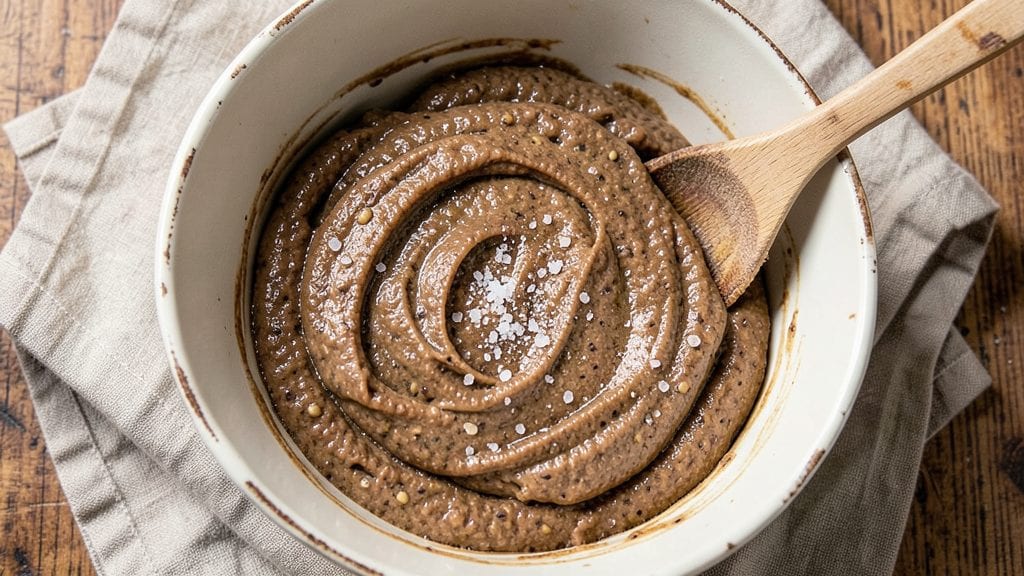
America's Test Kitchen rye bread recipe delivers that deep, malty flavor and chewy texture you crave—without the fuss of traditional kneading. This no-knead method transforms simple ingredients into an artisan loaf with a crisp crust and open crumb, using precise techniques that actually work.
I've baked dozens of variations, and this version consistently produces results that rival artisanal bakeries.
The secret lies in a long, slow fermentation that develops complex flavors and a proper mix of rye flour and water for ideal dough consistency. You'll work with just five ingredients but follow time-tested steps that ensure perfect rise, shape, and bake every time.
No special equipment required—just patience and attention to detail during the shaping and scoring stages.
By the time you pull that golden-brown loaf from the oven, you'll have a loaf with a satisfying crackle, dense yet tender crumb, and that authentic rye flavor that makes it irresistible. The crust stays crisp for days while the interior maintains its perfect texture.
This is the kind of bread that elevates sandwiches, pairs beautifully with soups, and makes a stunning centerpiece for any table.
Whether you prefer a classic dark rye or a lighter seeded variation, this method adapts easily. Master the basics first, then experiment with add-ins like caraway seeds or whole grains.
The precision of America's Test Kitchen approach means your first loaf will be as good as your tenth—no baking failures here.
Ingredients for america's test kitchen rye bread
Five simple ingredients transform into an artisanal rye loaf with crisp crust and malty flavor.
| Ingredient | Amount | Notes |
|---|---|---|
| Dark Rye Flour 🌾 | 2 ½ cups | High-extraction for deep flavor |
| All-Purpose Flour 🌾 | 1 ½ cups | For lighter texture balance |
| Active Dry Yeast 🍞 | ¼ tsp | Fresh yeast preferred if available |
| Granulated Sugar 🍚 | 1 tbsp | Feeds yeast for fermentation |
| Salt 🧂 | 1 ½ tsp | Kosher or sea salt preferred |
| Water 💧 | 1 ½ cups | Lukewarm, 105°F ideal |
| Olive Oil 🫒 | 1 tbsp | Extra-virgin for crust richness |
| Caraway Seeds 🌿 | 1 tsp | Optional, for classic rye flavor |
| Cornmeal 🌽 | 2 tbsp | For dusting baking sheet |
| Sesame Seeds 🌻 | 1 tbsp | Optional, for decorative crust |
| Ice Water ❄️ | ½ cup | For final dough adjustment |
The rye flour matters most here—King Arthur or Bob's Red Mill are my go-tos for that deep, authentic flavor. Dark rye (not light) gives the rich color and taste you want. If you can only find light rye, mix it with 1/4 cup molasses for depth. The yeast? Fresh is best if you can find it at specialty stores, but active dry works fine. Just make sure it's not expired—yeast loses potency fast. For the water, lukewarm is key—too hot kills the yeast, too cold slows fermentation. I use a kitchen thermometer to check, but if you're eyeballing it, it should feel like bathwater.
No caraway seeds? Skip them or use fennel seeds for a different but still delicious twist. Running short on olive oil? Melted butter works too, though it'll give a slightly different crust. The cornmeal is non-negotiable for the baking sheet—it prevents sticking and adds texture. No sesame seeds? Poppy seeds or everything bagel seasoning are great substitutes. If your dough feels too sticky after mixing, add ice water 1 tbsp at a time until it comes together just right. Don't overdo it though—too much water makes shaping a nightmare.
This dough needs time—at least 12 hours for fermentation, but up to 24 is better. Store it in a cool, dark place (like your fridge) if you're short on time. The shaped loaf keeps 3 days wrapped at room temp, or 1 week in the fridge. For longer storage, freeze the shaped loaf (unbaked) for up to 3 monthspre-sliced bread loses crispness fast. The crust stays crisp for days, but the interior is best eaten within 2-3 days for maximum tenderness.
Why You'll Love This Recipe
- No-Knead Nightmare Solved: I swear by this—just mix the dark rye flour, all-purpose flour, and yeast with warm water, let it sit overnight, then bake. No punchy arms, no failed kneading, just done. The crust turns golden and crispy while the inside stays soft, and honestly? That’s my kind of magic.
- Deep, Earthy Richness: Between the dark rye flour’s molasses notes and the touch of sugar balancing the salt, this bread tastes like a cozy hug. It’s got that tangy, slightly sweet depth that makes toasted slices with butter feel like a reward—no fancy ingredients, just pure flavor.
- Leftovers That Last: This loaf keeps beautifully for days, so I bake one on Sunday and enjoy it all week. Slice it for sandwiches, toast it for breakfast, or even cube it for French toast—it’s the ultimate pantry workhorse. (Yes, even on a Tuesday night.)
- Budget-Friendly Staple: Dark rye flour might sound fancy, but it’s cheaper than you’d think, and a little goes a long way. With just yeast, sugar, and salt, this recipe stretches your grocery budget without sacrificing taste. Plus, one loaf feeds a family—no wasted leftovers here.
Step-by-step instructions for america's test kitchen rye bread
Here's how to make this rich, crusty rye bread with a simple no-knead method that delivers professional results.
Mix the Dough with Wet and Dry Ingredients
In a large bowl, combine the 2.5 cups dark rye flour and 1.5 cups all-purpose flour. Add the 0.25 tsp active dry yeast, 1 tbsp granulated sugar, and 1.5 tsp salt. Mix these dry ingredients together until evenly distributed—this ensures balanced flavor and texture throughout the bread.
In a separate small bowl, whisk together the 1.5 cups lukewarm water (around 105°F) and 1 tbsp olive oil. Pour the wet mixture into the dry ingredients and stir with a wooden spoon until just combined. You'll see a shaggy dough form, but don't worry—this no-knead method relies on long fermentation rather than kneading.
If using, add the 1 tsp caraway seeds now and mix them in thoroughly. The seeds will add a subtle, aromatic depth that's classic in rye bread. Cover the bowl with a damp kitchen towel and let it rest at room temperature for 10 minutes. This short rest allows the flour to fully hydrate and makes the next steps easier.
Shape and First Rise (The Long Wait)
After the 10-minute rest, use wet hands to gently shape the dough into a loose round ball. Place it seam-side up in a lightly greased bowl, then cover again with the damp towel. Let it rise at room temperature for 12 to 16 hours. I know this seems like a long time, but patience is key—this slow fermentation develops deep flavor and a perfect crumb.
During this time, the dough will nearly double in size. If you're working with a tight schedule, you can speed this up slightly by placing the dough in a warm spot (like near your oven with the light on). However, the longer it ferments, the better the flavor. Trust the process—this is where the magic happens.
After the rise, the dough should be bubbly and jiggly when gently shaken. If it doesn't rise much, your yeast might be old or your kitchen too cold. Don't worry—just give it more time or try fresh yeast next batch.
Shape the Loaf and Final Rise
Turn the dough out onto a lightly floured surface and gently shape it into a round boule (like a small ball). Place it seam-side up on a baking sheet dusted with 2 tbsp cornmeal—this prevents sticking and adds a subtle crunch to the crust. Cover with the damp towel again and let it rise for another 1 to 2 hours until it's puffy and nearly doubled in size.
While the dough rises, preheat your oven to 450°F. This high heat is crucial for creating that signature crispy crust. If you're using sesame seeds, sprinkle them lightly over the top of the dough now. They'll toast beautifully during baking and add a decorative touch.
Real talk: The final rise can be tricky. If your kitchen is humid, the dough might rise too quickly. If it's cold, it might take longer. Watch for the dough to spring back slowly when poked—this is your cue that it's ready for the oven.
Bake for a Crispy Crust and Open Crumb
Once the dough has risen, bake it in the preheated 450°F oven for 25 to 30 minutes. The bread is done when it's deep golden brown and sounds hollow when tapped on the bottom. For extra crustiness, I like to spray the oven walls with water right before baking—this creates steam that helps develop that beautiful open crumb.
After 20 minutes, rotate the baking sheet for even browning. If the top browns too quickly, tent it loosely with foil to prevent burning. The bread should have a crispy, crackly crust with a soft, open interior. If it feels too dense, your oven might be too cool—next time, increase the temperature by 25°F.
Let the bread cool on a wire rack for at least 30 minutes before slicing. This resting time allows the crumb to set and prevents a gummy texture. The longer you wait, the better the texture—trust me, it's worth it.
Store for Maximum Freshness
Once cooled, store the rye bread in an airtight container at room temperature for up to 3 days. For longer storage, wrap it tightly in plastic wrap and freeze for up to 3 months. To serve, simply slice and toast—this bread is even better the next day when the flavors have fully developed.
This rye bread is perfect for sandwiches, toast, or eating straight from the loaf with a pat of butter. The no-knead method makes it approachable, but the long fermentation gives it that artisanal quality. Enjoy the process—there's nothing quite like the smell of freshly baked rye bread filling your kitchen.
Pro Tips For Making America'S Test Kitchen Rye Bread
- Bloom Yeast Properly: The recipe calls for blooming yeast in warm water with sugar—don’t skip the 5-minute wait to see bubbles. I learned this the hard way when my dough took forever to rise because the yeast was sluggish.
- Mix Flours First: Whisk the dark rye and all-purpose flours together before adding anything else. This prevents lumps from forming when you add the yeast mixture later—saves you from scraping out stubborn clumps mid-knead.
- Avoid Over-Kneading: The dough will feel sticky and tough at first, but resist the urge to knead it more than the recipe’s 8–10 minutes. Overworking it develops too much gluten, and your bread turns out dense instead of airy.
- Use a Banneton: If you don’t have one, line a bowl with a floured kitchen towel instead of greasing it. The dough sticks less, and the towel absorbs excess moisture—no extra flour needed when shaping the loaf.
Regional styles of this america's test kitchen rye bread
German Pumpernickel Style
For a denser, sweeter rye loaf inspired by German traditions, replace 1 cup of the dark rye flour with 1 cup molasses and add 1 tsp cinnamon. Use 100% rye flour (no all-purpose) for maximum depth, and ferment the dough for 24-48 hours in the fridge.
Bake in a 350°F oven for 60-75 minutes—this slow bake creates the classic German crumb. The result is a hearty, slightly sweet loaf perfect for open-faced sandwiches with smoked salmon or cheese. 🌾
Swedish Limpa Twist
Transform your rye into a Swedish-inspired limpa by adding ½ cup chopped almonds and ¼ cup raisins to the dough. Replace ½ cup water with ½ cup buttermilk for extra richness. Shape the dough into a long oval loaf and bake at 375°F for 40 minutes.
The buttermilk creates a tender crumb while the nuts and raisins add texture. This variation is perfect for breakfast with butter and jam. 🥜
American-Style Caraway Rye
This classic Midwestern version keeps the rye-all-purpose flour blend but bumps up the caraway seeds to 2 tsp. Add 1 tbsp honey to the dough for subtle sweetness that balances the earthy rye.
Shape into a round boule and bake as directed, but brush the crust with melted butter during the last 5 minutes for extra shine. This is the rye you'd find in delis across the Midwest—ideal for Reuben sandwiches. 🥪
Scandinavian Cardamom Rye
Infuse your loaf with Nordic flavors by adding 1 tsp ground cardamom to the dry ingredients. Replace ½ cup water with ½ cup whole milk for a richer crumb. Shape into a flat round loaf (like a flatbrød) and bake at 400°F for 35 minutes.
The cardamom adds a floral note that pairs beautifully with herring or smoked trout. This version is lighter than traditional rye but still packs deep flavor. 🌸
Modern Seed-Studded Rye
For a contemporary take, mix 1 tbsp sesame seeds, 1 tbsp flaxseeds, and 1 tbsp sunflower seeds into the dough. Press some seeds into the top before baking for a decorative, crunchy crust. Use 100% rye flour for maximum nutrition and ferment for 18-24 hours.
Bake at 425°F for 30 minutes—the seeds will toast beautifully. This version is perfect for avocado toast or as a side with hearty stews. 🌻
Sourdough Rye Hybrid
Elevate your rye by replacing the commercial yeast with ½ cup active sourdough starter. Use 100% rye flour and ferment at room temperature for 12 hours, then cold-proof in the fridge for 12-24 hours.
Shape into a batard loaf and bake with steam for 25 minutes at 450°F, then finish at 425°F for 20 minutes. The sourdough adds tangy complexity that makes this rye stand out. Save a bit of discard for your next starter! 🍞
Nutrition facts
Frequently asked questions about america's test kitchen rye bread
Why does this rye bread recipe use both dark rye and all-purpose flour?
The blend creates the perfect balance of flavor and texture. Dark rye flour delivers that deep, malty taste and rich color, while all-purpose flour adds lightness to prevent a dense, heavy loaf. This combination ensures your bread has both authentic rye character and a pleasant crumb structure.
Can I make this recipe without caraway seeds?
Caraway seeds add classic flavor but aren't essential. For a different twist, try fennel seeds (1 tsp) or skip them entirely. The bread will still be delicious—just with a more neutral rye profile. If you want extra depth, add 1/4 cup molasses to the dough instead.
What's the best way to tell when the bread is fully baked?
Look for three signs: deep golden brown crust, a hollow sound when tapped on the bottom, and internal temperature of 190-200°F. The crust should be crispy with visible cracks, and the crumb should look open but not gummy. If unsure, bake 5 more minutes—better to overbake slightly than underbake.
Why did my rye bread turn out dense instead of crusty?
This usually happens from one of three issues: underproofed dough (needs longer rise), oven too cool (increase temp by 25°F), or too much flour during shaping. For next time, let the dough rise until it's 50% larger, preheat your oven thoroughly, and handle the dough minimally when shaping.
How can I use up extra rye bread before it stales?
Transform it! Toast slices for rye croutons (toss with olive oil and herbs), make bread pudding (cubed and baked with custard), or turn into rye breadcrumbs (toast and pulse in a food processor). For sandwiches, freeze slices separately—just toast straight from frozen for crispy results.