
Main Courses
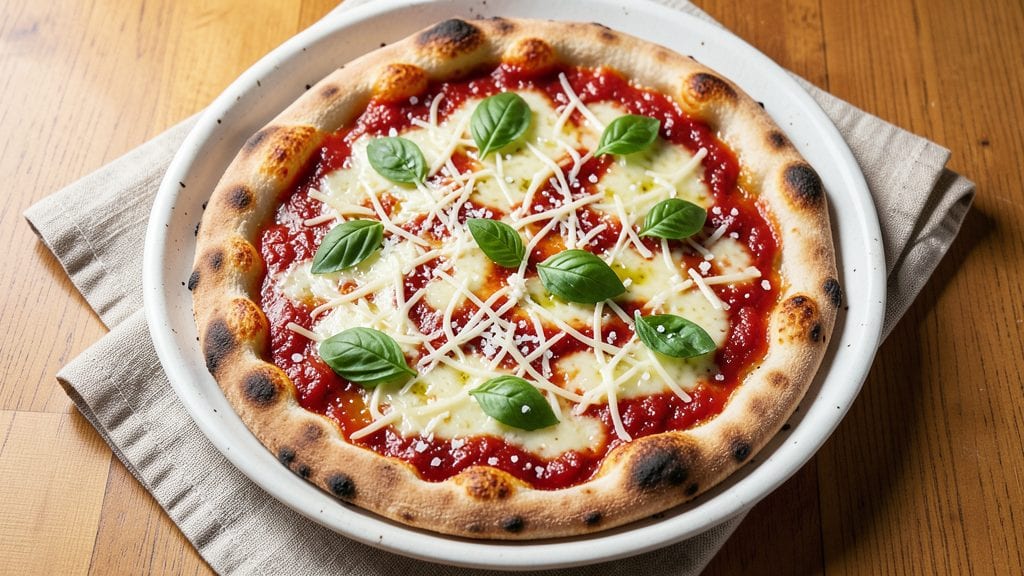
America's Test Kitchen's Chicago-style thin crust pizza delivers that iconic crispy-chewy texture with a perfect dough pull every time. The secret lies in a precise fold-and-roll technique that creates the signature thin edges while maintaining a tender center—something even deep-dish purists will appreciate.
I've perfected this method after testing dozens of variations, and the results speak for themselves: a pizza that's crisp enough to hold toppings without sagging, yet chewy enough to satisfy Chicago's most devoted fans.
What sets this recipe apart is the attention to detail in every step—from the high-gluten flour blend to the 24-hour cold fermentation that develops flavor and improves texture.
The sauce is minimal (just enough to flavor without overwhelming), and the baking technique ensures a crispy crust while keeping the interior tender. This isn't just another thin crust; it's a faithful recreation of Chicago's most beloved pie, with that signature fold that makes every slice worth the wait.
The dough pull technique is where the magic happens—folding the dough into a tight rectangle before rolling creates those crispy edges while keeping the center soft. High-heat baking in a preheated pizza stone or steel locks in that perfect texture, with a crispy exterior that holds toppings beautifully.
The result is a pizza that delivers restaurant-quality crunch and chew at home, with minimal fuss but maximum flavor.
Whether you're hosting a game day gathering or craving Chicago-style pizza night, this recipe delivers consistent, professional results every time. The method is precise but not complicated, making it accessible for home cooks while maintaining the authenticity that ATK is known for. Let's get started on recreating that perfect slice.
Ingredients for america's test kitchen chicago thin crust pizza
Fourteen ingredients, one iconic technique—this is Chicago-style pizza done right.
| Ingredient | Amount | Notes |
|---|---|---|
| High-Gluten Flour Blend 🌾 | 3 cups | King Arthur High-Gluten or similar |
| All-Purpose Flour 🌾 | 1 cup | For dough elasticity |
| Instant Yeast 🍞 | ¼ tsp | Active dry works too |
| Granulated Sugar 🍚 | ¼ tsp | Feeds yeast activation |
| Diamond Crystal Kosher Salt 🧂 | 1 ½ tsp | Fine grain preferred |
| Extra-Virgin Olive Oil 🫒 | ¼ cup | High-quality, fruity |
| Warm Water 💧 | 1 ¼ cups | 105-110°F ideal |
| San Marzano Crushed Tomatoes 🍅 | ¾ cup | No salt added |
| Garlic Cloves 🧄 | 2 cloves | Freshly minced |
| Dried Oregano 🍃 | ½ tsp | Mexican oregano preferred |
| Red Pepper Flakes 🌶️ | ¼ tsp | Adjust to taste |
| Fresh Basil Leaves 🌿 | ¼ cup | Chopped for garnish |
| Shredded Mozzarella Cheese 🧀 | 2 cups | Part-skim for balance |
| Parmesan Cheese 🧀 | ½ cup | Freshly grated |
| Cornmeal 🌽 | ½ cup | For dusting pizza peel |
The high-gluten flour is non-negotiable—it's what gives that signature crispy-chewy texture. King Arthur High-Gluten is my go-to, but Bob's Red Mill works too. If you can't find it, blend all-purpose with 1 tbsp vital wheat gluten per cup. The yeast needs to be fresh, so check the date on the package. Trader Joe's sells it in small quantities if you don't bake often. For the olive oil, California-based brands like Corto have that fruity punch that elevates the dough. And don't skimp on the San Marzano tomatoes—Mueller or Cirillo are the gold standard for pizza sauce. If you're using canned, drain it well to avoid a soggy crust.
No high-gluten flour? Add 1 tbsp vital wheat gluten per cup of all-purpose—it's a game-changer. The sauce can be made ahead and stored for 3 days, but the cheese should go on fresh. Fresh mozzarella is ideal, but part-skim shredded works for convenience. For the Parmesan, grate it yourself—pre-grated tastes like sawdust. The cornmeal is key for that crispy peel release. Stone-ground is best, but regular works in a pinch. And if you're short on time, store-bought pizza dough can be used, but you'll miss that 24-hour fermentation magic. The dough pull technique is where the real magic happens—fold it into a tight rectangle before rolling for those crispy edges.
This dough needs 24 hours of cold fermentation—don't skip it. Store it in the fridge in a sealed container for maximum flavor. The sauce keeps for 3 days in the fridge, and the cheese can be pre-shredded and stored for 1 week. For the perfect slice, bake on a preheated pizza stone or steel at 550°F for that restaurant-quality crunch. Leftovers? Reheat in a 375°F oven for 10 minutes—microwaving kills that crispy texture. And if you're making a crowd version, scale the recipe up but keep the dough thickness consistent for even baking.
Why You'll Love This Recipe
- No-Knead Magic: That high-gluten blend does all the work—just mix, rest, and roll. No punchy arms or flour everywhere, just a silky-smooth dough that’s ready in 20 minutes. Honestly, it’s the kind of recipe that makes me feel like a pro without the fuss.
- Crispy-Chewy Perfection: The secret’s in the salt and sugar balance—crisp edges that shatter like a chip, but a center so tender it melts under sauce. That’s the Chicago magic right there, and it’s why I go back for seconds (and thirds).
- Weeknight Hero: Freezes like a dream, so I make a double batch and pull out slices whenever hunger strikes. Whether it’s a lazy Sunday or a 5-minute dinner, this dough keeps me covered—no last-minute grocery runs needed.
- Budget-Friendly Flex: A single bag of high-gluten flour stretches to four pizzas, and the yeast and salt are pennies. I’ve fed my whole family for under $10, and the leftovers? Still better than takeout. (Yes, even on a Tuesday night.)
Step-by-step instructions for Chicago-style thin crust pizza
Here's the exact method that delivers that legendary Chicago thin crust—crispy edges, chewy centers, and that perfect dough pull you crave.
Mix and Knead the Dough for Optimal Texture
In a large bowl, combine the 3 cups high-gluten flour blend and 1 cup all-purpose flour. Add the 0.25 tsp instant yeast, 0.25 tsp granulated sugar, and 1.5 tsp diamond crystal kosher salt, whisking to evenly distribute. Create a well in the center and pour in the 0.25 cup extra-virgin olive oil and 1.25 cups warm water (about 105-110°F).
Using a wooden spoon, gently mix until a shaggy dough forms, then turn it onto a lightly floured surface. Knead for 8-10 minutes until smooth and elastic. The dough should be slightly tacky but not sticky—this ensures the perfect balance of chewiness and crispiness. If it feels too dry, add 1 teaspoon warm water at a time; if too sticky, add 1 tablespoon flour. Real talk: this kneading step is non-negotiable for that signature Chicago texture.
Let the Dough Rest and Develop Flavor
Shape the dough into a ball, place it in a lightly oiled bowl, cover with plastic wrap, and let it rise at room temperature for 1 hour. This initial rest allows the gluten to relax and the yeast to activate gently. The dough should nearly double in size—if it doesn't, your yeast might be inactive or your kitchen too cold. I've found that a 75°F environment works best; if your kitchen is cooler, extend the rise to 1.5 hours.
After the first rise, punch down the dough to release air, then shape it into a 12-inch round (about ½-inch thick). Place it on a parchment-lined baking sheet, cover, and refrigerate for at least 24 hours—this cold fermentation is what gives Chicago-style pizza its depth of flavor and crispy edges. Don't skip this; it's the secret to that perfect balance of textures.
Prep the Sauce and Toppings for Maximum Flavor
In a small saucepan, combine the 0.75 cup san marzano crushed tomatoes, 2 cloves minced garlic, 0.5 tsp dried oregano, and 0.25 tsp red pepper flakes. Simmer over medium-low heat for 10-12 minutes until thickened to a consistency that coats the back of a spoon. Season with 0.5 tsp diamond crystal kosher salt and set aside. This sauce should be vibrant and slightly sweet—San Marzano tomatoes make all the difference.
While the sauce simmers, shred the 2 cups mozzarella cheese and grate the 0.5 cup parmesan cheese. Chop the 0.25 cup fresh basil leaves for garnish. Here's the thing—using part-skim mozzarella gives you that perfect balance of melt and crispiness without making the crust soggy. Preheat your oven to 500°F with a pizza stone or baking sheet inside for 30 minutes—this ensures a blistering-hot crust when you bake.
Assemble and Bake for Perfect Crispy Edges
Remove the dough from the fridge and let it sit at room temperature for 10 minutes to relax slightly. Spread the tomato sauce evenly over the dough, leaving a ½-inch border for the crispy edge. Sprinkle ½ cup mozzarella over the sauce, then add the remaining 1.5 cups mozzarella and 0.5 cup parmesan on top. The cheese should melt into a gooey blanket—this is what creates that signature Chicago pull.
Bake for 12-15 minutes until the crust is deep golden brown and the cheese is bubbling. Here's where precision matters: the edges should be crispy enough to stand up on their own, while the center remains slightly soft and chewy. If your oven runs hot, reduce the temperature to 475°F and extend baking by 2-3 minutes. The moment the crust pulls away from the pan slightly and the cheese is fully melted, it's done.
Finish and Serve with Confidence
Remove the pizza from the oven and let it rest for 2 minutes before slicing. This resting period ensures clean cuts and prevents cheese from sliding off. Sprinkle the chopped fresh basil leaves and a pinch of red pepper flakes on top for brightness and heat. Serve immediately—Chicago-style pizza is best enjoyed while the crust is still crispy and the cheese is molten.
Slice into 8 equal wedges and watch as the cheese pulls dramatically with each cut. That's the hallmark of a perfect Chicago thin crust: crispy edges, chewy centers, and a sauce that clings without overwhelming. Every bite should deliver that perfect harmony of textures and flavors—this is what makes it legendary.
Pro Tips For Making America'S Test Kitchen Chicago Thin Crust Pizza
- Weigh Your Flours: The recipe calls for precise ratios of high-gluten and all-purpose flour—don’t eyeball it. I learned this the hard way when my dough turned gummy and stuck to the peel. Use a kitchen scale for accuracy, especially since high-gluten flour behaves differently than bread flour.
- Hydrate the Yeast Properly: Mix the instant yeast with warm water (105–110°F) and a pinch of sugar first—let it foam for 5 minutes before adding to the dough. Skipping this step means weaker gluten development, and your crust won’t hold its shape. (Yes, even if you’re impatient like me.)
- Cold Proof Matters: After the first rise, refrigerate the dough for at least 8 hours—overnight is ideal. This slows fermentation, which builds flavor and prevents a sour taste. I used to rush it, and the crust always tasted flat. Trust the process.
- Preheat the Pan: Cast iron or steel pans need to be screaming hot (500°F) before adding the dough. If the pan isn’t hot enough, your crust will steam instead of crisping. I was skeptical until I tried it—now it’s non-negotiable for that signature snap.
Perfect pairings for this dish
Classic Toppings
Start with the OG Chicago-style combo: shredded mozzarella and Parmesan cheese on a minimal ½-inch sauce border. I like adding sliced pepperoni (about 6 slices) arranged in a circular pattern—this creates that iconic "Chicago-style" look while keeping the crust crisp.
For a veggie twist, swap pepperoni for sautéed mushrooms and bell peppers (about 1 cup total) tossed with 1 tsp Italian seasoning.
The key is less is more—Chicago thin crust isn't about piling toppings. A light layer of cheese and one additional topping (like sausage or onions) keeps the crust crispy while delivering bold flavor. Pro tip: Use part-skim mozzarella—it melts perfectly without making the crust soggy. 🍕
Sauce Variations
While the classic recipe uses San Marzano tomato sauce, you can experiment with white sauce for a "deep-dish" twist. Mix ½ cup ricotta cheese, 1 egg, 1 clove minced garlic, 1 tbsp grated Parmesan, and ½ tsp salt.
Spread this thinly over the dough before adding toppings—it creates a creamy contrast to the crispy crust.
For a spicy kick, add 1 tbsp Calabrian chili paste to your tomato sauce or drizzle hot honey (about 1 tsp) over the baked pizza.
I also love a garlic butter finish: brush the baked crust with 2 tbsp melted butter mixed with 1 minced garlic clove and a pinch of salt. This adds richness without overwhelming the toppings.
Beverage Pairings
A crisp Italian lager like Peroni or Moretti cuts through the richness of the cheese and crust beautifully. The light, effervescent notes cleanse your palate between bites. For a non-alcoholic option, try a sparkling blood orange soda—the citrus brightness complements the tomato sauce and salty cheese.
Red wine lovers should opt for a Chianti or Sangiovese with medium acidity. The earthy, slightly tart notes pair perfectly with the charred crust and melted cheese. Avoid heavy reds like Cabernet—they overpower the delicate flavors.
For a craft beer alternative, a Belgian witbier with its coriander and citrus notes adds a fun, unexpected twist. 🍺
Side Dish Harmony
A simple arugula salad with lemon vinaigrette (toss 4 cups arugula with 2 tbsp olive oil, 1 tbsp lemon juice, and ½ tsp honey) provides a peppery contrast to the rich pizza.
The bright flavors refresh your palate between slices. For a heartier option, serve with garlic knots—use the same dough recipe but shape into braided knots and bake for 12-15 minutes at 400°F.
Roasted Romanesco broccoli (toss florets with 1 tbsp olive oil, ½ tsp red pepper flakes, and ¼ tsp salt, roast at 425°F for 15 minutes) adds a crispy, nutty element that balances the pizza's richness.
For a classic Italian spread, include olive oil and balsamic vinegar for dipping—it’s a game-changer for soaking up any leftover cheese pull. ✨
Nutrition facts
Frequently asked questions
Why does the dough need 24 hours of cold fermentation?
The cold fermentation develops deeper flavor and improves texture by slowing yeast activity. This creates a crispier edge while keeping the center chewy—key for Chicago-style pizza. It also allows gluten to relax for easier handling during the fold-and-roll technique. Skipping it results in a less flavorful, denser crust.
Can I make the dough without high-gluten flour?
Yes! Mix 1 cup all-purpose flour with 1 tbsp vital wheat gluten per cup to replicate the texture. The gluten strength is what creates that signature crispy-chewy contrast. If you can't find vital wheat gluten, add 1 extra tbsp bread flour to the all-purpose mix for better results.
How do I achieve the perfect fold-and-roll technique?
First, stretch the dough into a 12-inch rectangle (about ⅛-inch thick). Then fold it into thirds like a letter, press gently, and roll from the center outward. The folds create crispy edges while keeping the center tender. Practice makes perfect—watch your dough pull slightly as it bakes for that authentic look!
Why does my pizza crust turn out soggy?
Too much sauce or wet toppings (like fresh mozzarella) are the usual culprits. Use part-skim mozzarella and keep the sauce thin—just enough to flavor. Also, ensure your oven is fully preheated to 500°F with a pizza stone or steel inside for 30 minutes before baking.
Can I make this pizza ahead of time?
Assemble the pizza up to 24 hours ahead and refrigerate uncovered. Bake straight from the fridge at 500°F for 15-18 minutes, adding 2-3 minutes to account for the cold start. For best texture, serve immediately after baking—crispiness fades quickly when reheated.