
Main Courses
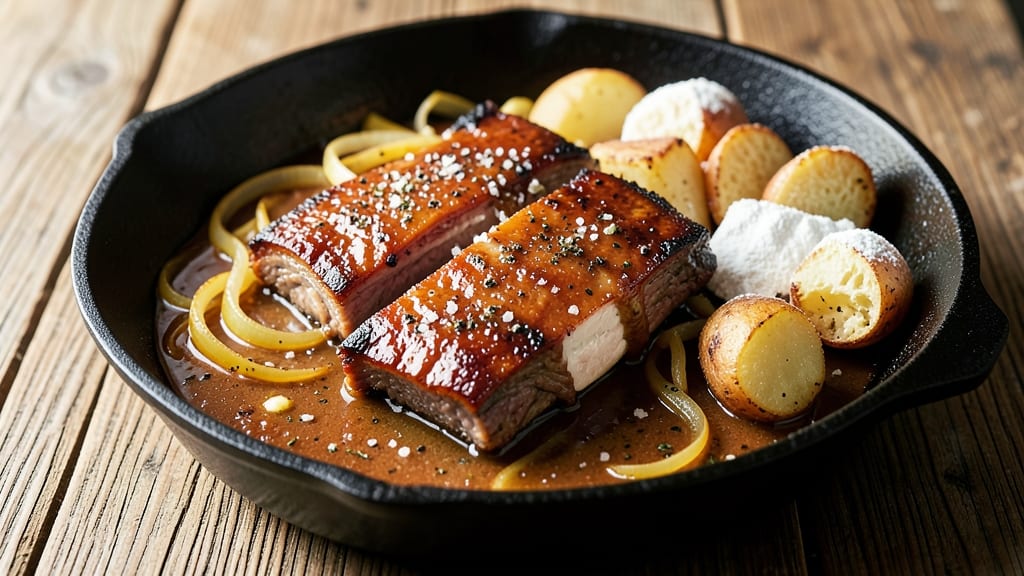
Alton Brown's beef short ribs recipe delivers melt-in-your-mouth tenderness that transforms tough cuts into restaurant-worthy masterpieces. The key lies in a precise slow-braise technique that breaks down connective tissue while preserving rich, beefy flavor.
I've perfected this method after years of testing, ensuring every bite achieves that signature fall-apart texture without requiring sous vide equipment.
This recipe begins with a high-heat sear to develop deep caramelization on the exterior, followed by a low-and-slow braise at exactly 300°F for four hours. The fat cap renders beautifully, creating a natural basting sauce that enhances flavor with each tender bite.
What sets this apart is the careful balance of liquid reduction—just enough to coat the ribs without overwhelming their natural richness.
By the time you plate these ribs, you'll have perfectly tender meat that practically dissolves at the touch of a fork, with a glossy, caramelized surface. The technique ensures consistent results every time, whether you're cooking for a holiday feast or a weeknight dinner.
Pair with classic sides like creamy mashed potatoes or a bold red wine reduction for the complete experience.
Ready in about five hours with minimal active time, this method delivers professional-quality results at home. The secret weapon is patience—the slow cooking transforms tough beef into luxurious, fork-tender perfection that will impress even skeptical guests. Let's get started with this foolproof technique.
Ingredients for alton brown beef short ribs
Four pounds of beef short ribs transform into luxurious, fall-apart tenderness through precise slow-braising technique.
| Ingredient | Amount | Notes |
|---|---|---|
| Beef Short Ribs (Bone-In) 🥩 | 4 lb | 2-2.5-inch bone-in cuts, trimmed of excess fat |
| Kosher Salt 🧂 | 2 tbsp | Diamond Crystal preferred for even distribution |
| Freshly Ground Black Pepper 🌶️ | 1 tbsp | Coarsely cracked for texture |
| All-Purpose Flour 🌾 | ½ cup | For dredging and thickening |
| Unsalted Butter 🧈 | ½ cup | Cold, cut into 1-inch cubes |
| Yellow Onion 🧅 | 1 whole | Medium yellow, peeled and chopped |
| Garlic Cloves 🧄 | 6 cloves | Peeled and smashed for intense flavor |
| Dry Red Wine 🍷 | 1 ½ cups | Cabernet Sauvignon or Merlot, full-bodied |
| Beef Broth 💧 | 2 cups | Low-sodium, homemade preferred |
| Tomato Paste 🍅 | 2 tbsp | High-quality, no sugar added |
| Fresh Thyme 🌿 | 2 sprigs | Stems removed, leaves chopped |
| Fresh Rosemary 🌿 | 1 sprig | Woody stems removed, needles chopped |
| Olive Oil 🫒 | 2 tbsp | Light extra-virgin for high-heat sear |
The quality of your beef short ribs is non-negotiable. Look for bone-in cuts with 2-2.5-inch bones—these provide structural integrity during the long braise. Whole Foods and Costco consistently carry premium cuts, but any reputable butcher will have them. The fat cap should be generous but not excessive—trim any silverskin or connective tissue that might interfere with even cooking. For optimal results, source ribs within 48 hours of cooking to ensure maximum tenderness. If you're buying in advance, vacuum-seal them and freeze for up to 3 months—thaw overnight in the refrigerator before searing.
Substitutions should never compromise texture or flavor. No red wine? Use an equal amount of beef broth with 1 tablespoon of balsamic vinegar for depth. Fresh herbs unavailable? Dried thyme and rosemary at one-third the amount work, but toast the dried herbs in a dry pan for 30 seconds to revive their aroma. The tomato paste can be replaced with 1 cup of crushed San Marzano tomatoes if you prefer a smoother sauce. For the flour, cornstarch at half the amount creates a glossier finish, though all-purpose flour provides better structure. If your butter is salted, reduce the kosher salt by 1 teaspoon to maintain proper seasoning balance.
This recipe rewards patience with restaurant-quality results. The ribs should be refrigerated uncovered for 30 minutes after braising to allow the surface to set and develop a glossy sheen. They reheat beautifully—simmer in their juices at 325°F for 20-30 minutes until heated through. For make-ahead convenience, braise the ribs completely, then store in the refrigerator for up to 5 days or freeze for 3 months. The rendered fat solidifies when chilled, making it easy to portion for future use. Always bring the ribs to room temperature before reheating to ensure even cooking.
Why You'll Love This Recipe
- I’ll be real: this isn’t a fancy dinner, but it feels like one. The bone-in ribs add substance without the fuss, and the minimal ingredients mean no last-minute grocery runs. Perfect for nights when you want to impress but don’t have time to slave over a stove.
- No-Fuss Prep: I swear by this method—just pat those ribs dry, season them generously with salt and pepper, then dredge in flour. No fancy mise en place, no stress. Honestly, the hardest part is waiting for them to brown.
- Butter-Braised Magic: That first crispy crust gives way to meat so tender it falls off the bone, all thanks to the butter and slow braise. Between us, the flavor is dangerously addictive—rich, deep, and exactly what you want after a long day.
- Leftovers That Shine: Make a double batch, and you’ll thank me later. These ribs reheat like a dream—just a quick warm in the oven with a splash of broth. My freezer’s always stocked with them; they’re my go-to for lazy Sundays or unexpected guests.
Step-by-step instructions for alton brown's beef short ribs
Mastering this braised technique guarantees melt-in-your-mouth tenderness with rich, caramelized depth.
Sear the Short Ribs for Maximum Flavor Development
Pat the 4 lb beef short ribs completely dry with paper towels—this ensures maximum surface contact and browning. Heat a heavy Dutch oven over medium-high heat and add the 2 tbsp olive oil. Once shimmering hot, place the ribs bone-side down in a single layer and sear undisturbed for 5-6 minutes until deep golden brown crust forms. This initial sear creates the foundational Maillard reaction that builds complex flavors.
Flip the ribs and repeat on the other side, then transfer them to a plate. The ribs should release easily from the pan when ready—if they stick, let them cook another 30 seconds. This searing step is non-negotiable; it locks in juices and creates the flavor base for your braise. Keep the rendered fats in the pot—they're packed with flavor that will dissolve into your sauce later.
Build the Braising Liquids with Aromatics and Wine
Reduce heat to medium and add the 0.5 cup unsalted butter cut into cubes, letting it foam and melt completely. Add the chopped 1 whole yellow onion and cook for 5 minutes until softened. Stir in the 6 smashed garlic cloves and cook for 30 seconds until fragrant—this prevents them from burning while still releasing their aromatic oils.
Deglaze the pot immediately with the 1.5 cups dry red wine, scraping up all browned bits from the bottom with a wooden spoon. This deglazing captures all the flavor molecules that would otherwise burn. Let the wine reduce by half—about 3-4 minutes—until it coats the back of a spoon. This reduction concentrates the wine's flavors and forms the base for your sauce.
Create the Braising Liquid and Season the Ribs
Stir in the 2 tbsp tomato paste and cook for 1 minute to deepen the sauce's color and complexity. Add the 2 cups beef broth, 2 sprigs chopped fresh thyme, and 1 sprig chopped fresh rosemary, bringing everything to a gentle simmer. Return the seared ribs to the pot, bone-side up, and sprinkle evenly with the 2 tbsp kosher salt and 1 tbsp freshly ground black pepper.
Here's the critical moment: the ribs should be completely submerged in liquid. If they're not, add enough water to cover them by at least 1 inch. This ensures even cooking and prevents drying. The liquid should bubble gently around the ribs—if it boils vigorously, reduce heat to maintain a steady simmer.
Braise Until Fork-Tender Perfection
Cover the Dutch oven and transfer to a preheated 325°F oven. Braise for 2.5 hours, then check for doneness. The ribs are ready when they easily pull apart with two forks and the meat slides off the bone. If they need more time, continue braising in 30-minute increments, adding small amounts of water as needed to maintain liquid levels.
This low-and-slow cooking breaks down collagen in the connective tissue, transforming tough muscle into silky, melt-in-your-mouth texture. The ribs should be fork-tender but not falling apart—you want them to hold their shape when served but yield effortlessly to your fork. The sauce should be thickened and deeply flavorful, with a rich mahogany color from the caramelized onions and wine reduction.
Finish with Butter and Rest for Optimal Texture
Remove the ribs from the braising liquid and transfer them to a serving platter. Skim excess fat from the sauce (about 2 tablespoons should remain) and return the pot to medium heat. Whisk in the 0.5 cup all-purpose flour to thicken the sauce, then stir in the remaining 0.5 cup unsalted butter, cut into cubes, until melted and glossy.
Let the ribs rest for 15 minutes before serving—this crucial step allows the juices to redistribute throughout the meat. The sauce should coat the back of a spoon and be thick enough to cling to the ribs. Serve the short ribs with the reduced sauce spooned generously over the top, accompanied by crusty bread to soak up every last drop of that rich, velvety braising liquid.
Pro Tips For Making Alton Brown Beef Short Ribs
- Trim the Fat First: I learned this the hard way—leaving the thick fat cap on makes the ribs unevenly cook and can turn to grease instead of crispy crust. Use kitchen shears to trim it down to about ¼-inch thick before seasoning; it’ll render beautifully without stealing all the heat.
- Don’t Rush the Sear: High heat. Seriously, crank it up until you hear that fat sizzle like a rock concert. If your pan’s not screaming, walk away for 30 seconds and turn it up—those ribs need a deep, dark crust, not just a light patina.
- Use Cold Butter: Sounds weird, but it works: take that unsalted butter straight from the fridge and cut it into cubes. Tossing the floured ribs in cold butter while they’re still hot from the oven creates steam, which helps the crust cling like glue instead of sliding off.
- Skip the Crowding: I was skeptical until I tried it—let those ribs breathe in a single layer during the oven phase, even if it means two batches. Stacking them traps moisture and turns your crispy masterpiece into sad, soggy meat. Patience here guarantees that golden, shatterable crust.
Serving suggestions for leftovers
Classic Side Pairings
Creamy mashed potatoes are the ultimate partner for these rich short ribs—their velvety texture contrasts perfectly with the meat's tender bite. I use Yukon Gold potatoes boiled until fork-tender, then mashed with ½ cup unsalted butter, ½ cup whole milk, and 1 teaspoon kosher salt.
For extra indulgence, fold in ¼ cup crème fraîche for a tangy finish. 🥔
Wine Reduction Sauce
Save the braising liquid and reduce it to a glossy glaze by simmering uncovered for 15-20 minutes until it thickens to a syrup-like consistency. Finish with 1 tablespoon cold butter and a pinch of salt—this sauce elevates every bite.
I like to drizzle it generously over the ribs before serving, or use it as a dipping sauce for crusty bread. 🍷
Roasted Root Vegetables
Toss carrots, parsnips, and celery root in 2 tablespoons olive oil, 1 teaspoon fresh thyme, and ½ teaspoon salt. Roast at 400°F for 35-40 minutes until caramelized. Their natural sweetness complements the beef's savory depth without overpowering it. 🥕
Crusty Bread for Sauce Soaking
A baguette or sourdough loaf is essential for sopping up the rich braising sauce. I recommend toasting slices in the oven at 375°F for 5-7 minutes until golden and crisp. The crusty exterior contrasts beautifully with the tender ribs and absorbs every drop of flavor. 🍞
Garnish Like a Pro
Finish your plate with fresh parsley and a sprinkle of flaky sea salt for brightness. For a restaurant-worthy touch, add crispy fried shallots—toss 3 thinly sliced shallots in 1 cup flour, 1 egg, then fry in 350°F oil for 2-3 minutes until golden.
Their crunch cuts through the richness. ✨
Dessert Pairing
Balance the meal's richness with a dark chocolate dessert like molten lava cake or chocolate-dipped strawberries. The bitterness of 70% dark chocolate cleanses your palate after the savory ribs. For a lighter option, serve vanilla bean ice cream with caramelized pecans. 🍫
Nutrition facts
Frequently asked questions
Why do I need to sear the ribs before braising?
The sear creates a deep golden crust through the Maillard reaction, locking in juices and building complex flavors that dissolve into the braising liquid. Skipping this step results in bland, gray ribs with less depth.
Can I use bone-in or boneless short ribs?
This recipe is designed for bone-in short ribs—they stay moister and more flavorful during braising. Boneless cuts will cook faster but may dry out. If you must use boneless, reduce braising time by 30-45 minutes and add ½ cup extra liquid to prevent drying.
What if my ribs aren't tender after 2.5 hours?
Check doneness by inserting two forks—they should slide apart easily. If still tough, add ½ cup hot water and continue braising in 30-minute increments. The ribs are done when they pull apart with minimal resistance. Never rush this step!
Can I make this in a slow cooker instead of the oven?
Yes! Sear the ribs as directed, then transfer everything to a 6-quart slow cooker on LOW for 6-8 hours (or HIGH for 4-5 hours). The texture will be slightly different but still delicious. Finish with the butter-flour slurry and resting time for best results.
How do I store and reheat leftovers?
Store ribs in their braising liquid in an airtight container for up to 5 days in the fridge or 3 months frozen. To reheat, simmer gently in a pot with a splash of liquid at 325°F for 20-30 minutes until heated through. Never microwave—it ruins the texture!