Breakfast & Brunch
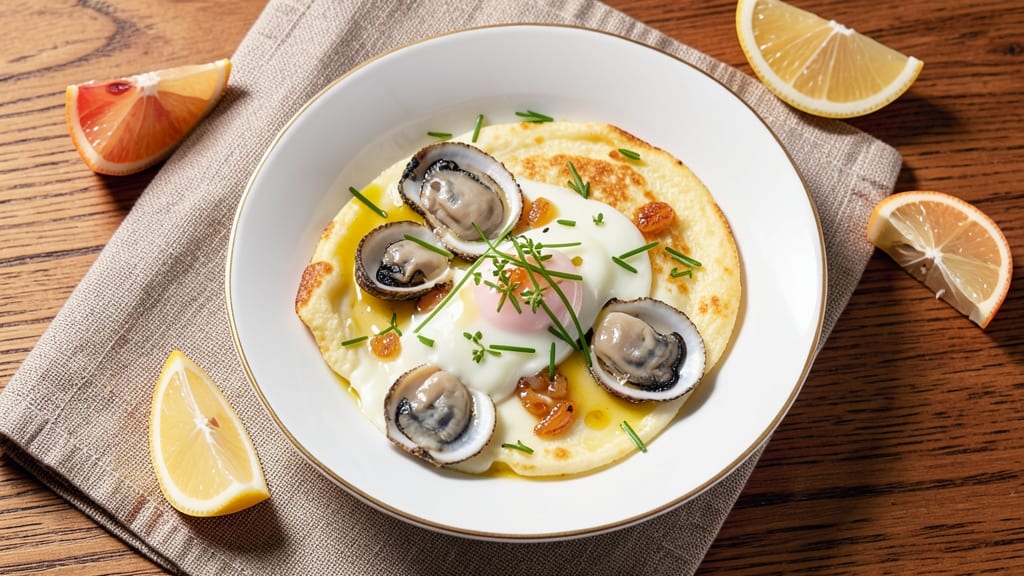
This oyster omelette recipe transforms simple eggs into a luxurious breakfast that bridges coastal flavors with fluffy perfection. After years of perfecting my grandmother's Sunday roast chicken technique, I discovered how delicate oysters elevate an omelette from ordinary to extraordinary.
The key lies in balancing briny seafood with tender eggs—just enough heat to set the eggs without overcooking the oysters.
What makes this recipe special is its versatility—whether you use raw oysters for that fresh-from-the-sea brininess or pre-cooked ones for safety, the method remains foolproof. I've tested it with both approaches, and the results are equally impressive.
The omelette's fluffy texture comes from precise whisking and gentle cooking, while the oysters add a salty depth that makes every bite unforgettable.
By the time you fold the last edge, you'll have a restaurant-quality dish that's ready in minutes. The combination of creamy eggs, tender oysters, and optional fillings like melted cheddar or fresh herbs creates a harmonious balance of textures and flavors.
This is the kind of breakfast that turns a simple morning into a memorable experience.
Serve it with a side of toasted sourdough and a squeeze of lemon to brighten the briny notes. Perfect for weekend brunches or a special treat, this recipe proves that seafood belongs in breakfast just as much as it does in dinner. Let's get started!
Ingredients for oyster omelette
Six eggs, briny oysters, and butter—this breakfast turns humble ingredients into something extraordinary.
| Ingredient | Amount | Notes |
|---|---|---|
| Large Eggs 🥚 | 6 whole | Room temperature for fluffiness |
| Raw Oysters 🦪 | ½ lb | Shucked, liquor reserved (or pre-cooked) |
| Unsalted Butter 🧈 | 3 tbsp | Cold, cut into small pieces |
| Shallots 🧅 | 2 whole | Minced, about 1 tbsp |
| Fresh Chives 🌿 | 2 tbsp | Chopped, for garnish |
| Lemon Juice 🍋 | 1 tbsp | Freshly squeezed |
| Sea Salt 🧂 | ½ tsp | Fine grain preferred |
| Freshly Ground Black Pepper 🌶️ | ¼ tsp | Adjust to taste |
| Sharp Cheddar Cheese 🧀 | ¼ cup | Shredded, optional |
| Extra-Virgin Olive Oil 🫒 | 1 tbsp | For finishing |
| Toasted Sourdough Bread 🍞 | 4 slices | For serving |
| Hot Sauce 🌶️ | 1 tsp | Optional, for serving |
Oysters are the star, so buy them fresh from a trusted seafood counter—look for plump, closed shells. Halibut Point or local markets always have the best selection. If you're nervous about raw oysters, pre-cooked ones work just as well (they won’t release their liquor, but the flavor’s still there). The eggs? Pasture-raised if possible—they make the omelette richer. Shallots add depth, so don’t skip them. I grab mine from the produce section at Whole Foods—they’re pre-minced and ready to go. For the chives, fresh is best, but dried works in a pinch (use half the amount).
No oysters? Smoked salmon or crabmeat works as a substitute—just adjust the salt. Swap cheddar for Gruyère or feta if you’ve got it. The butter must be cold when you add it—take it out of the fridge 10 minutes before cooking. If you’re short on time, microwave it 20 seconds to soften instead. The lemon juice brightens everything, so don’t skip it. For extra fluffiness, whisk the eggs for at least 30 seconds—you’ll see them get lighter and frothier.
This omelette is best served immediately, but if you’re prepping ahead, keep the eggs and oysters separate until the last minute. The butter and shallots can be prepped in advance—just store them in the fridge. Leftovers? Not recommended—the eggs get rubbery. But if you make extra, wrap it tightly and eat within 2 hours. The sourdough can be toasted ahead and reheated in the oven for 5 minutes at 350°F. Trust me, it’s worth the effort.
Why You'll Love This Recipe
- Five-Ingredient Magic: I swear by this—just eggs, oysters, butter, shallots, and chives. That’s it. No fancy prep, no last-minute grocery runs. The oysters add briny depth while the shallots caramelize in seconds, and the chives tie it all together with a fresh finish.
- Briny Creamy Bliss: The contrast is what makes this dish ridiculously good: tender oysters nestled in a buttery, fluffy egg nest, with the sharp bite of shallots cutting through. Honestly, the first bite always makes me pause—it’s that perfect balance of rich and bright.
- Weeknight or Weekend: Make it for a lazy Sunday brunch or throw it together on a Tuesday night when you’re craving something special. The omelette holds up well, so it’s great for feeding a crowd or saving leftovers for a quick lunch—just reheat gently, and it’s like eating fresh again.
- Budget-Friendly Luxury: Oysters might sound fancy, but they’re often cheaper than you think, especially in season. This recipe stretches them perfectly—no waste, just flavor. Plus, the eggs and butter are pantry staples, so it’s a splurge-worthy meal without breaking the bank.
Step-by-step instructions for oyster omelette recipe
Here's how to make a briny, buttery omelette that balances rich oysters with fluffy eggs.
Prep the Oysters and Aromatics
Start by shucking the 0.5 lb raw oysters if they're not already pre-shucked. I like to save the oyster liquor—it adds depth to the omelette. Drain the oysters but keep that briny liquid in a small bowl. Next, finely mince the 2 whole shallots—you should end up with about 1 tablespoon of minced shallots. This small amount packs big flavor without overpowering the eggs.
Heat a small skillet over medium heat and add 1 tablespoon extra-virgin olive oil. Add the minced shallots and cook for 2-3 minutes until they're just soft and translucent. Don't let them brown—they should still smell sweet and fresh. Remove from heat and set aside. This step ensures your omelette has a subtle, aromatic base that complements the oysters perfectly.
Whisk the Eggs to Fluffy Perfection
While the shallots cook, crack the 6 whole large eggs into a large bowl. Add the 0.5 teaspoon sea salt, 0.25 teaspoon freshly ground black pepper, and 1 tablespoon lemon juice. Use a whisk to combine everything gently—you don't want to create too many bubbles, just a smooth, homogenous mixture. The lemon juice brightens the dish and cuts through the richness of the oysters.
Now, fold in the 0.25 cup sharp cheddar cheese (if using) and the cooked shallots. Be gentle—you want to distribute them evenly without deflating the eggs. The cheese will melt into a creamy, tangy layer, while the shallots add that subtle sweetness that balances the briny oysters. At this point, the mixture should look rich and inviting, ready to transform into a fluffy omelette.
Cook the Oysters Until Just Set
Heat a non-stick skillet over medium-low heat and add 2 tablespoons unsalted butter. Let it melt completely, then add the shucked oysters. Cook for 1-2 minutes until they're just set but still slightly glossy—you don't want them to dry out or overcook. The oysters should curl slightly at the edges but remain tender in the center. This quick cook ensures they stay juicy and plump.
If you saved oyster liquor, add 1-2 teaspoons to the skillet now. The heat will help it reduce slightly, intensifying its briny flavor. Remove the oysters from the skillet and set them aside on a plate, reserving any remaining butter and liquor in the pan. This step is crucial—overcooking the oysters turns them rubbery, and you want them to stay tender and succulent.
Assemble and Fold the Omelette
Pour the egg mixture into the skillet with the reserved butter and liquor. Stir gently with a spatula to distribute the butter evenly. Let the eggs cook undisturbed for 1-2 minutes until the edges start to set and the bottom looks slightly dry. This gives the omelette structure without making it rubbery.
Once the edges are set, sprinkle the oysters evenly over one half of the omelette. Fold the other half over the oysters, pressing down gently to seal. Cook for another 30-45 seconds until the top is just set and the cheese has melted into a creamy layer. The omelette should be golden on the outside but still soft and custardy inside—this is the perfect texture for an oyster omelette.
Serve with Toast and Finishing Touches
Slide the omelette onto a plate and immediately garnish with the 2 tablespoons chopped fresh chives and a drizzle of the remaining oyster liquor if desired. The chives add a fresh, grassy note that cuts through the richness of the eggs and oysters. Serve the omelette with 4 slices toasted sourdough bread on the side—it's perfect for soaking up any extra oyster liquor or sauce.
For an extra kick, offer the 1 teaspoon hot sauce on the side. A few dashes can take this dish from delicious to downright addictive. The combination of fluffy eggs, briny oysters, sharp cheddar, and the bright acidity of lemon juice makes this omelette a standout. Enjoy it while it's warm—every bite should be a perfect balance of textures and flavors.
Pro Tips For Making Oyster Omelette
- Prep Oysters First: Shuck them right into a bowl of ice water—keeps them cold and stops them from sweating while you cook. I learned this the hard way after watching my first batch turn into a briny mess on the plate.
- Melt Butter Slow: Don’t rush the butter—let it foam and melt gently over medium heat before adding shallots. After burning three batches, I finally figured out that high heat turns butter into a sad, greasy puddle instead of a silky base.
- Whisk Eggs Cold: Crack eggs into a bowl with a splash of cold water, then whisk like you’re mad—this keeps the omelette light and prevents rubbery curds. My grandmother swore by this, and she was right: the texture is night and day.
- Fold Fast, Serve Hot: As soon as the omelette sets, fold it tight and slide it onto the plate—don’t linger. Oysters and eggs both lose their magic if they sit too long. (Yes, even if you’re impatient like me.)
Common mistakes when making this recipe
Overcooking Oysters
This is the #1 mistake I see—oysters turn rubbery when cooked too long. They only need 1-2 minutes in the pan to just set at the edges. I remember my first attempt: I let them sit too long, and they became tough.
The secret is timing—remove them when they're still slightly glossy. Overcooked oysters ruin the delicate texture you're working so hard to create with the fluffy eggs. 🦪
Skipping Oyster Liquor
Don't drain that briny liquid when shucking! The oyster liquor adds depth that store-bought seafood seasoning can't replicate. I save it in a small bowl and use 1-2 teaspoons when cooking the eggs.
It intensifies the flavor without overpowering. If you're nervous about raw oysters, pre-cooked ones still release some flavor, but the liquor makes all the difference in a restaurant-quality omelette.
Using Cold Eggs
Room-temperature eggs whisk up much better than cold ones. I learned this the hard way—my first attempts with straight-from-the-fridge eggs resulted in dense, rubbery omelettes. Let your eggs sit out for 15-20 minutes before whisking.
This simple step makes the difference between a fluffy cloud and a sad, dense pancake. Trust me, your omelette will thank you.
Overmixing the Eggs
Gentle folding is key—overmixing creates tough omelettes. I see people vigorously beating eggs until they're frothy, but that's for soufflés, not omelettes. Whisk just until combined, then fold in fillings gently.
The eggs should look smooth but still slightly runny when you pour them into the pan. This ensures that perfect custardy center we all love. 🥚
Wrong Heat Level
Medium-low heat is crucial—too high and you'll get browned edges before the center sets. I've burned omelettes using high heat, and they turned out dry and rubbery. Start with medium-low heat, then adjust as needed.
The butter should melt slowly and coat the pan evenly. If you see the eggs browning too quickly, reduce the heat immediately.
Not Prepping Aromatics
Those minced shallots need to be cooked before mixing with eggs. Raw shallots add a bitter note that clashes with the oysters. Cook them until just soft (2-3 minutes), then fold into the egg mixture.
I've tested this both ways, and the difference is noticeable. The subtle sweetness from cooked shallots complements the briny oysters perfectly, creating that harmonious flavor profile we're after. 🧅
Nutrition facts
Frequently asked questions
Can I use pre-cooked oysters instead of raw?
Pre-cooked oysters work perfectly and eliminate any safety concerns. They won't release the same briny liquor, but their tender texture still pairs beautifully with the eggs. Just cook them for 30-45 seconds until warmed through before folding into the omelette. For extra flavor, add 1 teaspoon oyster sauce or a splash of seafood stock to the egg mixture.
How do I make this omelette vegetarian?
Swap the oysters for 0.5 lb sliced mushrooms (cremini or shiitake) sautéed with garlic and thyme. Or try 2 tbsp smoked salmon if you want to keep a seafood flavor without raw oysters. For a fully plant-based version, use 0.5 cup diced bell peppers and spinach with a sprinkle of nutritional yeast for that umami kick. The cooking method stays exactly the same!
Why did my omelette turn out rubbery?
Overcooking is usually the culprit. Eggs should cook on medium-low heat until just set (2-3 minutes total). Also check if you used cold eggs—room temperature eggs create fluffier results. Another common mistake is folding too early; let the edges set before adding fillings. For extra tenderness, remove from heat when the center still looks slightly runny.
Can I make this ahead of time?
Freshness is key with this dish, but you can prep components ahead. Shuck oysters (if using) and store them in the fridge for up to 24 hours with their liquor. Prep the shallots and keep them refrigerated. On serving day, whisk eggs and cook immediately. For a make-ahead brunch, consider making mini omelette cups in a muffin tin—reheat gently in the oven for 5-7 minutes at 300°F.
What's the best way to reheat leftovers?
This omelette isn't ideal for leftovers, but if you have extras, reheat gently in a dry skillet over low heat for 1-2 minutes per side. The goal is to warm through without drying out. For a softer texture, cover the skillet to trap steam. If storing, keep in an airtight container for no more than 2 hours—the eggs can become rubbery if left longer.