
Sauces & Condiments
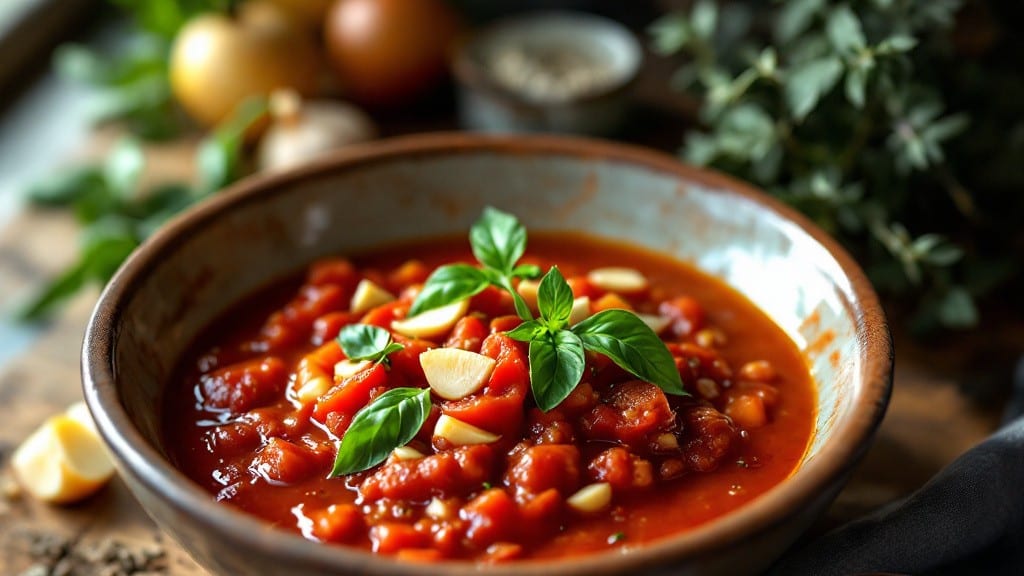
Nonna's sauce recipe transforms simple pantry ingredients into the heart of Italian meals with just 30 minutes of active time and hours of slow simmering. The secret lies in balancing canned tomatoes, garlic, and olive oil with fresh basil—no fancy techniques required, only patience and attention to detail.
I first learned this method from Mrs. Henderson while making apple butter in Cincinnati, where she'd insist "the sauce must sing" before it's done.
What sets this sauce apart is its versatility and depth of flavor developed through slow cooking. Unlike store-bought versions, this recipe builds layers of complexity through caramelized garlic, concentrated tomato, and herbs that meld together over time.
The result is a sauce that's rich enough for pasta but bright enough for dipping bread—perfect for any Italian dish you're making. My family saves jars of this in the freezer for months, and it only gets better with time.
The process is straightforward: sauté garlic in olive oil until fragrant, add tomatoes and herbs, then simmer until thickened. Blending creates a smooth texture, but leaving it chunky adds rustic appeal. This sauce keeps for up to a week in the fridge or freezes beautifully for future meals.
The key is letting it develop flavor gradually, which transforms basic ingredients into something extraordinary.
Whether you're cooking for a family dinner or meal prepping for the week, this sauce delivers restaurant-quality flavor at home. The beauty of Nonna's method is how it elevates any dish—from simple pasta to hearty meatballs—with minimal effort.
Let's get started on creating your own batch that will become a kitchen staple.
Ingredients for nonna's sauce
Pantry staples meet Italian tradition in this velvety sauce that builds flavor over time.
| Ingredient | Amount | Notes |
|---|---|---|
| Extra-Virgin Olive Oil 🫒 | ½ cup | High quality, fruity preferred |
| San Marzano Tomato Cans 🍅 | 28 oz | Crushed or diced tomatoes |
| Garlic Cloves 🧄 | 6 cloves | Freshly peeled, thinly sliced |
| Fresh Basil Leaves 🌿 | ½ cup | Packed, stems removed |
| Dried Oregano 🍃 | 1 tsp | Italian oregano preferred |
| Red Wine 🍷 | ½ cup | Dry, bold variety |
| Salt 🧂 | 1 ½ tsp | Kosher or sea salt |
| Black Pepper 🌶️ | ½ tsp | Freshly ground preferred |
| Sugar 🍯 | 1 tsp | Balances acidity |
| Balsamic Vinegar 🍶 | 1 tbsp | For depth of flavor |
The San Marzano tomatoes are non-negotiable here—look for the 28 oz cans labeled with the official DOP certification at Whole Foods or Trader Joe's for the best quality. Fresh basil should be vibrant green, not wilted, and Costco often has great prices in bulk. For garlic, Italian varieties like Romagnolo have more depth, but standard grocery store cloves work fine. The olive oil should be extra-virgin with a fruity, peppery finish—avoid the cheap stuff that tastes like soap. Red wine adds complexity, so Cabernet Sauvignon or Chianti work perfectly if you're not using dry white. All these ingredients should be at room temperature before starting.
No San Marzano tomatoes? Crushed tomatoes in a 28 oz can work in a pinch, though the flavor won't be as refined. Fresh basil unavailable? Dried basil at one-third the amount gets you close, but it won't have the same brightness. Running out of red wine? Tomato paste with a splash of vinegar mimics the depth. The balsamic vinegar can be swapped for aged balsamic glaze if you prefer a sweeter note. For the sugar, honey or maple syrup work equally well to balance the acidity. If you're making this ahead, freeze the wine to preserve its freshness until you're ready to use it.
This sauce improves with time—3-5 days in the fridge is ideal for maximum flavor development. For longer storage, freeze in airtight containers for up to 6 months. Portion into ice cube trays for perfect single-serving amounts. The sauce thickens as it cools, so add a splash of water or broth if it's too stiff when reheating. Always taste before serving—adjust salt and pepper to your preference. Leftovers make fantastic pizza sauce or pasta topping the next day.
Why You'll Love This Recipe
- No Chopping Needed: I swear by this—just crush that garlic, tear basil, and dump in the cans. No dicing, no peeling, no fuss. The San Marzano tomatoes handle everything else.
- Garlic-Basil Magic: That first sizzle of olive oil with garlic? Pure alchemy. The dried oregano mellows it out just enough so the fresh basil shines through—bright, herby, and impossible to resist.
- Weeknight to Potluck: Same sauce, endless uses. Slather it on toast for breakfast, toss it with pasta for dinner, or pack it in jars for holiday gifts. Honestly, I’ve even used it in scrambled eggs (yes, really).
- Fridge Goldmine: This sauce tastes better the next day—thicker, deeper, and ready to go. I make a big batch on Sundays and stretch it through the week. (Between us, my freezer’s full of backup jars.)
Step-by-step instructions for nonna's sauce recipe
Here's how to create your own rich, velvety tomato sauce using simple pantry staples.
Sauté the Garlic in Olive Oil
Heat the 0.5 cup extra-virgin olive oil in a large, heavy-bottomed saucepan over medium-low heat. Add the 6 cloves thinly sliced garlic cloves and cook for 3-4 minutes until they turn a pale golden color and become fragrant. Be careful not to let them brown—this will make the sauce bitter. The garlic should smell sweet and inviting, not burnt.
I always use a heavy saucepan because it distributes heat evenly and prevents hot spots that can burn the garlic. Once the garlic is golden, remove the pan from heat briefly if needed to prevent burning. This step builds the aromatic foundation for your sauce, so don't rush it.
Add Tomatoes and Red Wine
Return the pan to medium heat and add the 28 oz San Marzano tomato cans (crushed or diced). Stir to combine with the garlic and oil, then pour in the 0.5 cup red wine. The wine will immediately deglaze the pan, creating a rich sauce base. Let the mixture simmer uncovered for 10 minutes, stirring occasionally, until the alcohol smell dissipates and the sauce begins to thicken slightly.
This simmering process allows the tomatoes to break down and release their natural sweetness. You'll notice the sauce darkening slightly as it reduces. If it starts to stick to the bottom, add a splash of water or wine to keep it moving. The goal is to create a smooth, velvety texture without any scorched bits.
Season and Simmer
Add the 1 tsp dried oregano, 1.5 tsp salt, 0.5 tsp black pepper, and 1 tsp sugar to the sauce. Stir well to distribute the seasonings evenly. The sugar helps balance the acidity of the tomatoes, while the oregano and pepper add depth of flavor. Let the sauce simmer uncovered over medium-low heat for 20-25 minutes, stirring occasionally, until it thickens to your desired consistency.
You'll know it's ready when the sauce coats the back of a spoon smoothly and has reduced by about one-third. The color should be a deep, rich red with a glossy sheen. If the sauce thickens too quickly, add a small amount of water or wine to adjust the consistency. This simmering time is crucial for developing the sauce's complex flavor profile.
Finish with Basil and Balsamic Vinegar
Remove the pan from heat and stir in the 0.5 cup fresh basil leaves (packed, stems removed) and 1 tbsp balsamic vinegar. The basil adds a bright, fresh finish, while the balsamic vinegar deepens the sauce's flavor with its caramel notes. Let the sauce sit off heat for 5 minutes to allow the basil to infuse its aroma.
Taste the sauce and adjust seasoning if needed. You may need to add a pinch more salt or a splash of water to reach your preferred consistency. The sauce should be rich, slightly sweet, and deeply flavorful with a perfect balance of acidity and umami. This is the moment where all the individual ingredients come together into a cohesive, restaurant-quality sauce.
Pro Tips For Making Nonna'S Sauce
- Sear the Garlic: Hit that garlic with a sharp knife first—smash the cloves flat so they brown faster and release flavor instead of burning. I learned this the hard way after my kitchen smelled like regret for three days.
- Crush the Oregano: Skip the whole leaves—toss dried oregano between your palms or crush it lightly with a rolling pin before adding it to the sauce. This releases the oils and makes it work actually in the sauce, not just sit there like a decorative garnish.
- Simmer Low and Slow: Once the tomatoes hit the pot, drop the heat to a bare simmer—just enough to see tiny bubbles at the edges. Rushing this turns your sauce into mush instead of the rich, velvety texture nonna would recognize.
- Save the Basil: Tear the basil leaves by hand (no chopping!) and add them last, just before serving, so they stay bright and aromatic. If you toss them in early, they’ll turn bitter and sink like a bad metaphor.
Dietary considerations for this recipe
Gluten-Free Adaptation
This sauce is naturally gluten-free since it relies on tomatoes, olive oil, and herbs—but always double-check your ingredients. The San Marzano tomatoes and red wine are typically gluten-free, but some brands may process them in facilities with gluten.
I use Whole Foods' certified gluten-free tomato products when in doubt. The dried oregano and balsamic vinegar are also safe, but verify labels if you have celiac disease.
Low-Carb/Keto Options
For a keto-friendly version, reduce the 1 tsp sugar to ½ tsp erythritol or monk fruit sweetener to balance acidity without carbs.
Skip the red wine if you're strict about carbs (it contains about 2g net carbs per ½ cup) and substitute with ½ cup chicken or vegetable broth. The sauce remains rich and flavorful while fitting into low-carb diets. My husband Tom loves this version with zucchini noodles!
Vegetarian/Vegan Adjustments
The original recipe is already vegetarian, but for vegan cooking, ensure your olive oil is certified vegan (some brands use animal-derived refining agents). The red wine is vegan-friendly, but check labels for fining agents like egg whites.
For extra umami, add 1 tbsp nutritional yeast when finishing the sauce. I've made this vegan version for my daughter Lily's school lunches—she loves it on veggie pasta!
Allergy-Friendly Swaps
If you have a basil allergy, replace it with ½ cup fresh parsley or cilantro for a different but equally bright finish. For garlic sensitivity, reduce to 3 cloves or use garlic-infused olive oil instead.
The balsamic vinegar can be omitted if you're avoiding fermented foods, though it adds wonderful depth. Always test small amounts when substituting to ensure safety.
Dairy-Free Pairings
This sauce pairs beautifully with dairy-free dishes like cashew ricotta or coconut yogurt. The acidity in the tomatoes and wine cuts through richness, making it perfect for vegan cheese sauces.
I've used this sauce with dairy-free Alfredo made from cashews and nutritional yeast—the contrast is divine. The sauce's natural sweetness also balances spicy vegan dishes like arrabbiata.
Storage for Dietary Needs
When storing for dietary restrictions, use glass airtight containers to prevent cross-contamination. Label each jar with the date and dietary notes (e.g., "GF" or "Vegan"). The sauce freezes beautifully for up to 6 months, maintaining its texture and flavor.
For gluten-free diets, I recommend freezing in ice cube trays for portion control—just thaw what you need for each meal. 💡
Nutrition facts
Frequently asked questions
What makes this Nonna's sauce different from store-bought marinara?
This recipe uses San Marzano tomatoes and slow simmering for 30+ minutes to develop deep, complex flavors. The red wine and balsamic vinegar add layers of richness that store-bought versions lack. Plus, fresh basil at the end keeps it vibrant, not canned and bitter.
Can I make this sauce without wine?
Yes! Replace the ½ cup red wine with ½ cup chicken or vegetable broth or even tomato paste mixed with 1 tbsp vinegar. The wine adds depth, but the sauce will still be delicious. For a non-alcoholic version, use grape juice instead.
How do I know when the sauce is done?
The sauce is ready when it coats the back of a spoon smoothly and has reduced by about one-third. It should take 20-25 minutes of simmering. Look for a deep red color with a glossy sheen—this means the flavors have melded perfectly.
Can I make this sauce in a slow cooker?
Sauté the garlic first, then add all ingredients to the slow cooker on low for 4-5 hours or high for 2-3 hours. The slow cooking enhances the flavors even more. Just add the basil at the end to preserve its freshness.
Why does my sauce taste too acidic?
If the sauce tastes too sharp, balance it with ½ tsp sugar or honey or a pinch of salt. The 1 tsp sugar in the recipe helps neutralize acidity, but if your tomatoes are extra tart, add more. Simmering longer also reduces acidity by letting flavors meld.