
Sauces & Condiments
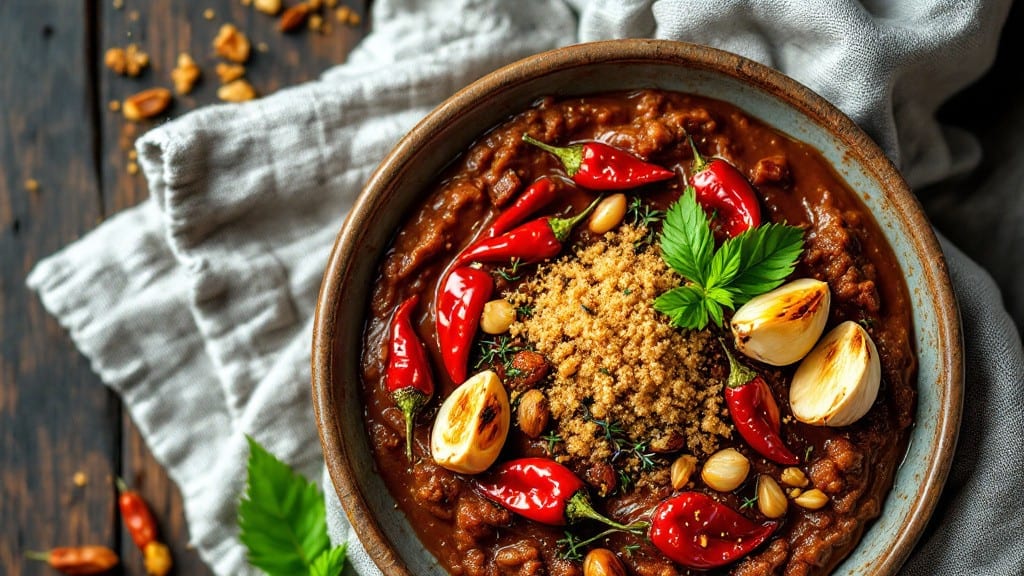
This jerk paste recipe transforms pantry staples into the fiery, aromatic foundation of Jamaican cuisine, delivering that signature bold heat and complex depth.
The key lies in balancing Scotch bonnet peppers with allspice, thyme, and vinegar to create a paste that's both intense and versatile—perfect for marinating meats or basting grilled dishes. I developed this version after years of testing, ensuring every batch delivers that authentic Jamaican flavor without requiring hard-to-find ingredients.
The beauty of this jerk paste is its simplicity combined with professional results. With just 10 ingredients and 15 minutes of prep, you'll create a paste that develops deeper flavor when refrigerated for at least 24 hours.
The combination of soy sauce, brown sugar, and garlic creates a perfect balance between sweet, savory, and spicy notes that penetrate proteins beautifully. This isn't just marinade—it's the secret weapon behind restaurant-quality jerk dishes.
What makes this jerk paste truly exceptional is its flexibility. Use it to marinate chicken for 4-12 hours before grilling, or brush it on pork chops during the last 10 minutes of cooking for that signature charred crust.
The paste keeps well in the refrigerator for up to 3 months or can be frozen for 6 months, making it ideal for meal prep enthusiasts. Each application delivers that authentic Jamaican fire while remaining approachable for home cooks.
Whether you're preparing jerk chicken, pork, or even tofu, this paste elevates every dish with its complex flavor profile. The allspice and thyme provide warmth, the Scotch bonnet delivers heat, and the vinegar adds tangy brightness.
Let's create this versatile jerk paste that will become your go-to for bold, Caribbean-inspired flavors.
Ingredients for jerk paste
Ten ingredients that pack Caribbean punch—no fancy shopping needed.
| Ingredient | Amount | Notes |
|---|---|---|
| Scotch Bonnet Peppers 🌶️ | 2 whole | Seeds removed for less heat |
| Allspice Berries 🌿 | 1 ½ tbsp | Ground or whole, toasted |
| Fresh Thyme Leaves 🌿 | ½ cup | Packed, stems removed |
| Garlic Cloves 🧄 | 6 cloves | Peeled, roughly chopped |
| Brown Sugar 🍚 | ½ cup | Light or dark preferred |
| Soy Sauce 🍶 | ¼ cup | Regular or tamari |
| White Vinegar 🍋 | ¼ cup | Apple cider vinegar works too |
| Ground Ginger 🌿 | 1 tbsp | Fresh grated is ideal |
| Salt 🧂 | 1 tsp | Kosher or sea salt |
| Black Peppercorns 🌶️ | 1 tsp | Freshly cracked preferred |
Scotch bonnet peppers are the heart of this paste, so pick fresh ones—they should feel firm with vibrant color. Caribbean markets or well-stocked grocery stores usually carry them, but if you can't find them, habaneros work in a pinch (use half the amount). The allspice berries are a game-changer—toast them whole in a dry pan for 30 seconds before grinding for deeper flavor. I grab mine from Penzeys or the bulk spice section, but the tiny jars at regular stores are fine too. Fresh thyme is best, but if you're using dried, cut the amount to one-third—it's way more concentrated.
No Scotch bonnet? Habanero or serrano peppers bring similar heat, but cut the amount to one whole pepper max. The soy sauce can be swapped for coconut aminos if you're avoiding gluten, though the flavor shifts slightly. Brown sugar substitutes? Coconut sugar or even maple syrup work, but the molasses notes might change things a little. Vinegar options are endless—apple cider or lime juice both add brightness. Want extra depth? Add 1 tbsp of lime zest—it brightens everything up. The ginger? Fresh is ideal, but if you're using ground, toast it lightly first to wake up the flavor.
This paste tastes even better after 24 hours in the fridge—let the flavors meld. Keeps for 3 months refrigerated or 6 months frozen. I make a double batch and freeze half in ice cube trays—perfect for quick marinades. Store it in a glass jar with a tight seal to keep the spices fresh. If it thickens over time, just add a splash of water or vinegar to thin it out.
Why You'll Love This Recipe
- No Blender Needed: I’ll admit—I used to panic over jerk paste recipes requiring a food processor. Then I realized you can roughly chop those Scotch bonnets, allspice berries, and garlic with a knife and still end up with something that packs a punch. Sure, it’s not silky smooth, but that grittiness? It clings to chicken or tofu like a second skin.
- Flavor in a Jar: Honestly, the first time I tasted this—smoky from the allspice, bright from the Scotch bonnet, sweet from that brown sugar—I nearly spilled the whole batch. The thyme leaves add this earthy depth, and the garlic? It’s not overpowering, just there, like a good friend at a party. You’ll want to slather it on everything.
- Weeknight to BBQ Hero: Between us, this paste is my secret weapon for lazy nights and impressing guests. Toss it on grilled shrimp for a 15-minute dinner, or use it to marinade chicken thighs that fall apart when you pull them off the smoker. (Yes, even on a Tuesday night.) And if you make a double batch? Freeze half for when you’re too tired to think.
- Pantry Magic: Here’s what sold me—this recipe uses stuff you already have lurking in your spice cabinet. No specialty ingredients, no last-minute grocery runs. That brown sugar? It’s the unsung hero, balancing the heat so you’re not crying into your beer. Plus, it keeps for weeks in the fridge, so you’re never stuck without a backup plan for takeout cravings.
Step-by-step instructions for Jamaican jerk paste
Here's how to blend bold Jamaican flavors into a smooth, fiery paste that'll transform any dish.
Toast the Allspice Berries and Garlic
Heat a dry skillet over medium heat. Add the 1.5 tablespoons allspice berries and toast for 2-3 minutes until fragrant and slightly darkened. Watch closely—they burn fast. Transfer to a bowl and let cool completely.
In the same skillet, add the 6 cloves garlic and toast for 1-2 minutes until golden and aromatic. The garlic should smell sweet and nutty, not burnt. Remove from heat and let cool as well. Toasting deepens the flavors and removes any raw bitterness from both ingredients. Don't skip this—it makes all the difference in the final taste.
Blend the Wet Ingredients
In a blender or food processor, combine the 0.25 cup soy sauce, 0.25 cup white vinegar, and 1 tablespoon ground ginger. Blend for 10 seconds to mix. Add the 0.5 cup brown sugar and blend again until fully dissolved. The mixture should look smooth with no sugar granules remaining.
Taste the blend now—it should be tangy, sweet, and slightly spicy from the ginger. This is your flavor foundation. If you're using fresh ginger, you'll get more complex notes than ground, but either works. The vinegar helps balance the sweetness while adding brightness that cuts through the richness of other ingredients.
Combine All Ingredients and Pulse
Add the cooled toasted allspice berries, garlic, 0.5 cup fresh thyme leaves, 1 teaspoon salt, and 1 teaspoon black peppercorns to the blender. The seeds removed from the 2 whole scotch bonnet peppers should go in last. Start blending on low speed to chop everything roughly, then gradually increase to high.
Blend for 1-2 minutes until you get a thick, smooth paste. You might need to scrape down the sides once. The scotch bonnet peppers will make the paste vibrant red and add incredible heat. If you want less spice, reduce the pepper amount—but don't skip them entirely, as they're essential for authentic jerk flavor. The paste should coat the back of a spoon and hold its shape when pressed.
Adjust and Store Properly
Taste the paste and adjust seasoning if needed. You might want more salt to balance the acidity or additional brown sugar for sweetness. For a smoother texture, add 1-2 tablespoons water and blend again. The paste should be thick but spreadable—like a vibrant red, spicy jam.
Transfer to a clean jar and store in the refrigerator for up to 2 weeks, or freeze for 3 months. For best flavor, use within a week. The paste will keep developing flavor over time, so freshly made is always best. This versatile condiment works on chicken, pork, fish, tofu, or even vegetables—just remember, a little goes a long way with all that heat!
Pro Tips For Making Jerk Paste
- TOAST THE SPICES: Dry-toast your allspice berries and thyme leaves in a hot pan for 30 seconds before grinding—it deepens their aroma and cuts through the Scotch bonnet’s raw heat. I used to skip this, and the paste always tasted flat until I realized the spices needed to wake up first.
- SEED THE PEPPERS: Remove the seeds and membranes from Scotch bonnet peppers, but leave the veins intact—they hold the most heat and flavor. I learned this the hard way after making a batch so spicy it cleared the room; the seeds are hot, but the veins are where the soul lives.
- GRIND IN BATCHES: Pulse your jerk paste in small batches—no more than 30 seconds at a time—or you’ll turn it into a greasy paste instead of a chunky, textured rub. I’ve ruined three batches by over-grinding, and now I reset the grinder between pulses for that perfect balance.
- BALANCE THE SWEET: Taste your paste before adding brown sugar—if the Scotch bonnet and garlic dominate, add 1-2 teaspoons at a time until the heat and sweetness play nice. I was skeptical until I tried it; the sugar doesn’t just mask the heat, it rounds out the whole thing.
Storing and reheating this jerk paste
Refrigerator Storage
Jerk paste develops deeper flavor when stored in the refrigerator, so transfer it to an airtight glass jar after making. The paste will keep for up to 3 months if sealed tightly—this is perfect for meal prep enthusiasts who want to build flavor over time.
I always use amber glass jars to protect the paste from light, which can degrade the vibrant color and some spices. Label the jar with the date to track freshness. 💫
Freezing for Long-Term
For extended storage, freeze jerk paste in ice cube trays or small portions in freezer-safe bags. This allows you to grab just what you need without thawing the entire batch. The paste maintains its quality for up to 6 months in the freezer.
When ready to use, thaw overnight in the fridge or quickly in a bowl of warm water. Avoid refreezing once thawed to preserve texture and flavor.
Thawing and Reusing
If your frozen jerk paste thickens after thawing, simply add 1-2 tablespoons of water or vinegar and whisk until smooth. The paste should return to its spreadable consistency. I often use thawed paste directly from the freezer—just add it to marinades or basting dishes while still slightly cold.
The cold paste helps tenderize proteins beautifully while adding that signature jerk heat. 🔥
Portion Control Tips
Jerk paste is potent, so I recommend making smaller batches if you're new to it. Store in small mason jars (4-8 ounces) for easy portioning. This way, you can experiment with different proteins without overpowering your dish.
The paste keeps well in the fridge for 2 weeks in these smaller containers, making it ideal for weekly cooking. For extra convenience, freeze individual portions in silicone molds—they're perfect for single-use applications.
Reviving Stale Paste
If your jerk paste loses some of its brightness over time, revive it by adding 1 teaspoon of fresh lime juice or ½ teaspoon of apple cider vinegar. The acidity helps rebalance the flavors.
I also recommend adding a pinch of freshly ground black pepper to wake up the spices. With these adjustments, even older paste can taste nearly as vibrant as fresh. This trick saves me from making new batches when I'm short on time. ✨
Safety Reminders
Always check the internal temperature of proteins marinated with jerk paste to ensure safety. Cook to at least 165°F for poultry and 145°F for pork to kill any bacteria. The paste itself doesn't need cooking—it's the proteins that require proper heating.
I recommend marinating proteins for 4-12 hours in the fridge, but never leave them at room temperature longer than 2 hours for food safety. When in doubt, cook immediately after thawing.
Nutrition facts
Frequently asked questions
Can I substitute Scotch bonnet peppers with milder options?
Yes, but adjust carefully! Use habanero or serrano peppers at half the quantity (1 pepper instead of 2) for similar heat. For even milder flavor, try jalapeño or cayenne, but reduce to ½ teaspoon of seeds/cayenne—this will give just a hint of spice while keeping the jerk profile. Always remove seeds for less heat.
How long should I marinate meat in jerk paste?
For best results, marinate proteins for 4-12 hours in the refrigerator. Chicken and pork benefit most from 8-12 hours of marinating, while fish or shrimp only need 30 minutes to 2 hours to absorb flavor without overpowering. Never marinate longer than 24 hours—the acidity in the paste can start breaking down the meat.
Why does my jerk paste look too thin or too thick?
Thin paste? Add 1 tablespoon of brown sugar or water and blend again. Too thick? Thin with 1-2 teaspoons of vinegar or soy sauce until spreadable. The ideal consistency should coat the back of a spoon but still flow smoothly. If it separates, stir vigorously or blend briefly to recombine—this often happens with high-fat proteins like pork.
Can I use this paste on vegetables or tofu?
Jerk paste works beautifully on portobello mushrooms, eggplant, or tofu—just reduce marinating time to 30 minutes to 1 hour to avoid overpowering the dish. For tofu, press and drain well first, then marinate for 20-30 minutes. The paste adds incredible depth to grilled or roasted vegetables, especially when paired with a sprinkle of fresh thyme before serving.
What's the best way to store leftover jerk paste?
Store in an airtight glass jar in the fridge for up to 3 months or freeze in ice cube trays for 6 months. For easy use, freeze small portions—thaw overnight in the fridge or quickly in warm water. If it thickens after freezing, whisk with 1 tablespoon of water or vinegar to restore consistency. Always label with dates to track freshness.