Desserts
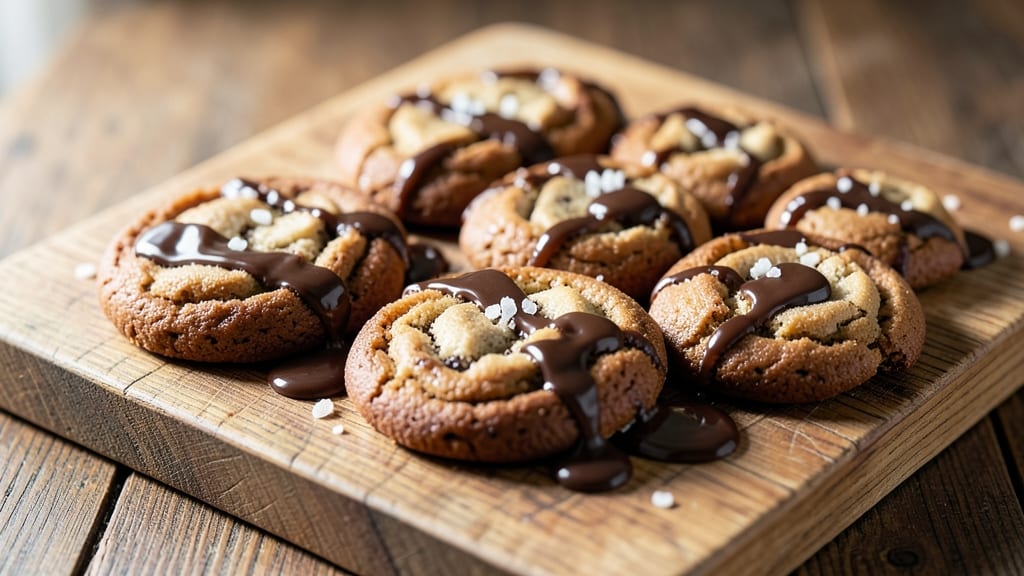
This Guinness cookie recipe delivers the perfect balance of deep chocolate flavor and caramelized edges, with a rich, malty undertone that pairs beautifully with tea or coffee.
The secret lies in using Guinness stout as both a flavor enhancer and moisture source, creating cookies that are chewy in the center and crisp around the edges. I’ve perfected this recipe over years of baking, ensuring every batch turns out consistently tender and aromatic.
The process is straightforward but requires attention to detail—mixing the dough just until combined preserves the texture while allowing the Guinness to develop its signature depth. Baking at 350°F for 10–12 minutes ensures a golden-brown finish without overcooking, and adding chocolate chips or chopped nuts offers customizable crunch.
The result is a cookie that’s rich, slightly sweet, and impossibly satisfying.
These cookies are ideal for holiday gatherings, afternoon tea, or a cozy dessert after dinner. They hold their shape well and stay moist for days, making them perfect for baking ahead. The Guinness flavor shines through without overpowering, creating a dessert that’s both indulgent and approachable. Let’s get baking!
For those who prefer variations, try swapping in white chocolate for a sweeter twist or adding a pinch of sea salt to enhance the caramelized edges. Pair them with a cup of hot coffee or a glass of milk for the full experience.
The recipe scales easily, so you can bake a single batch or double it for sharing.
Ingredients for guinness cookie
Rich, malty depth meets crisp edges—just 12 ingredients for perfect Guinness cookies.
| Ingredient | Amount | Notes |
|---|---|---|
| Guinness Stout 🍺 | ½ cup | Chilled for best flavor integration |
| Unsalted Butter 🧈 | 1 cup | Cold, cubed for creaming |
| Granulated Sugar 🍚 | 1 cup | Light brown sugar for depth |
| Packed Brown Sugar 🍚 | ½ cup | Enhances caramelized edges |
| Large Eggs 🥚 | 2 whole | Room temperature for even mixing |
| Vanilla Extract 🌿 | 2 tsp | Pure, high-quality vanilla |
| All-Purpose Flour 🌾 | 2 ½ cups | Sifted for light texture |
| Baking Soda 🧂 | 1 tsp | Ensures proper rise |
| Diamond Crystal Kosher Salt 🧂 | ½ tsp | Adjusts to taste |
| Cocoa Powder 🍫 | ½ cup | Dutch-processed for smoothness |
| Semisweet Chocolate Chips 🍫 | 1 ½ cups | High-quality for rich flavor |
| Toasted Walnuts 🥜 | 1 cup | Chopped for texture |
The Guinness stout is non-negotiable here—cold and chilled (not room temperature) ensures it blends smoothly without overpowering. Grab a freshly opened bottle from the grocery store’s beer cooler section, like Whole Foods or Total Wine, for the best flavor. If you’re using a can, check the expiration date—stale beer tastes bitter. The unsalted butter should be cold and cubed; don’t let it soften too much, or the dough will spread. For the sugars, light brown sugar adds moisture while packed brown sugar deepens the caramelized flavor—measure it tightly packed for accuracy.
No Guinness on hand? Dry stout or even strong black coffee (1/4 cup) can mimic the depth, though the malty notes won’t be identical. Swapping chocolate chips for white chocolate chips or dark chocolate chunks changes the flavor profile entirely—white makes them sweeter, dark intensifies the bitterness. The walnuts can be omitted or replaced with pecans or hazelnuts if you prefer. For the cocoa powder, Dutch-processed (like Hershey’s Special Dark) blends smoother than natural cocoa. If you’re gluten-free, swap the all-purpose flour for a 1:1 gluten-free baking blend—just don’t skip the baking soda, or your cookies will be flat.
The dough keeps well in the fridge for up to 48 hours, wrapped tightly in plastic. For best results, bake within 24 hours—the longer it sits, the more the Guinness flavor develops. Store baked cookies in an airtight container at room temperature for 5–7 days, or freeze for up to 3 months. To reheat, microwave for 10–15 seconds—they’ll soften slightly but stay chewy. These cookies are perfect for holiday gifting; package them in clear cellophane bags with a ribbon for a festive touch.
Why You'll Love This Recipe
- No Mixer Needed: I swear by this recipe because it’s just butter, sugar, and a fork. The Guinness gets whipped into the dough with a few strokes—no electric mixer, no stress, just pure, rich flavor from that first stir.
- Rich Without Effort: Between us, these cookies taste like you slaved over them, but honestly? They’re foolproof. The dark malt from the Guinness cuts through the sweetness while the brown sugar keeps them chewy—like a dessert that’s too good to be this easy.
- Party or Snack: I’ve used these to impress guests at holiday gatherings and as a midnight treat when I’m craving something indulgent. The deep, toasty notes pair perfectly with coffee or a glass of milk, making them equally at home on a fancy tray or a casual counter.
- Budget-Friendly Luxury: A single can of Guinness stretches into two batches of cookies, and the butter-sugar ratio means no wasted ingredients. Plus, they keep for days in an airtight container—so you get decadence without the guilt of buying pre-packaged treats.
Step-by-step instructions for Guinness cookies
Here's the method for creating rich, chocolatey cookies with deep caramelized edges.
Cream Butter and Sugars to Peak Volume
In a stand mixer fitted with the paddle attachment, combine the 1 cup unsalted butter, 1 cup granulated sugar, and 0.5 cup packed brown sugar. Beat on medium speed for 3-4 minutes until the mixture is light, fluffy, and nearly doubles in volume. You'll see the color lighten noticeably as air incorporates—this is what creates those signature crackly tops.
The butter should be completely smooth with no graininess remaining. If you press your finger into the mixture, it should spring back slowly rather than leave an indent. This creaming process is critical for achieving the perfect texture in these Guinness cookies. I like to scrape down the sides of the bowl with a rubber spatula every minute to ensure even mixing.
Incorporate Eggs and Vanilla
Add the 2 whole large eggs one at a time, mixing on low speed for 30 seconds after each addition. Then add the 2 teaspoons vanilla extract and mix for another 10 seconds. The mixture will appear slightly curdled at first, but don't worry—this will resolve when we add the dry ingredients.
I always use room temperature eggs for this recipe. Cold eggs can create pockets of water in the dough that lead to uneven baking. If your eggs are straight from the refrigerator, let them sit in warm water for 5 minutes before adding. The vanilla extract should be pure, not imitation—its rich aroma complements the Guinness perfectly.
Combine Dry Ingredients and Chocolate Elements
In a separate bowl, whisk together the 2.5 cups all-purpose flour, 1 teaspoon baking soda, 0.5 teaspoon diamond crystal kosher salt, and 0.5 cup cocoa powder. Sift the dry ingredients through a fine-mesh sieve directly into the wet mixture to prevent lumps. With the mixer on low speed, gradually add the dry ingredients until just combined.
Remove the bowl from the mixer and gently fold in the 1.5 cups semisweet chocolate chips and 1 cup toasted walnuts using a silicone spatula. Be careful not to overmix—just until the chocolate chips and walnuts are evenly distributed. The dough will be thick and slightly sticky, which is perfect for these cookies. If you're worried about the dough being too wet, resist the urge to add more flour—this recipe relies on the moisture for that rich, chewy texture.
Chill the Dough for Optimal Texture
Cover the mixing bowl with plastic wrap and refrigerate for at least 1 hour, or up to 24 hours. Chilling the dough is essential for two reasons: it firms up the butter so the cookies hold their shape better, and it allows the flavors to meld more deeply. The Guinness will develop its full malty depth during this resting period.
I like to press the dough into a flat disk in the bowl before refrigerating. This makes it easier to portion later and prevents the dough from drying out. If you're short on time, you can freeze the dough for 30 minutes instead of chilling, but the flavor development won't be as pronounced. The dough should be cold but still pliable when you're ready to bake.
Bake to Rich, Caramelized Perfection
Preheat your oven to 350°F and line two baking sheets with parchment paper. Using a cookie scoop or tablespoon, portion the dough into 1.5-tablespoon balls (about 1 ounce each) and place them 2 inches apart on the prepared sheets. The dough will be cold, so don't worry if it looks under-sized—it will spread as it bakes.
Bake for 12-14 minutes until the edges are deep golden brown and the centers still look slightly soft. The cookies should pull away from the parchment paper easily but still feel slightly soft to the touch in the middle. They'll continue setting as they cool. Let them rest on the baking sheets for 5 minutes before transferring to a wire rack to cool completely. The wait is worth it—they'll firm up beautifully and develop that perfect caramelized edge.
Pro Tips For Making Guinness Cookie
- Chill the Dough: After mixing, let the dough sit in the fridge for at least 30 minutes—yes, even if you’re eager to bake. I learned this the hard way when my first batch spread into a sad, flat puddle. The cold butter firms up, and the cookies hold their shape better.
- Warm the Guinness: Heat the stout in a small saucepan until it’s just steaming (about 110°F/43°C)—not boiling, just warm. Cold Guinness makes the dough dense, and you’ll end up with a chewy brick instead of a rich, tender cookie. Trust me, your taste buds will notice.
- Measure Brown Sugar Right: Pack that brown sugar firmly into the measuring cup—no loose scooping. I used to rush this, and my cookies turned out dry and crumbly. A quick tap on the counter ensures the right moisture balance, so the cookies stay soft without being sticky.
- Underbake Slightly: Pull the cookies out when the edges are just golden but the centers still look a little soft—they’ll firm up as they cool. Overbaking turns them into hockey pucks, and no one wants that. A toothpick with a few crumbs is perfect.
Troubleshooting this dish
Dough Too Wet?
If your dough feels overly sticky or spreads too much during baking, resist adding extra flour—this recipe relies on the Guinness for moisture. Instead, chill the dough for an additional 30 minutes to firm up the butter.
For stubborn stickiness, wet your hands slightly and use a silicone spatula to shape the dough into balls. This prevents crumbling while maintaining the chewy texture. 🥣
Cookies Spread Too Much
Over-spreading usually means the butter wasn’t cold enough or the oven ran hot. Next time, ensure your butter is cold and cubed before creaming, and use an oven thermometer to confirm 350°F.
Chill the dough longer (up to 24 hours) and bake on the middle rack for even heat distribution. For extra insurance, place the baking sheets on a cooling rack before adding parchment paper to prevent heat transfer.
Guinness Flavor Missing
Stale or warm Guinness will mute the malty flavor. Always use cold, fresh Guinness stout straight from the fridge, and measure it accurately—0.5 cup is key.
For deeper flavor, reduce the liquid slightly by simmering 0.4 cup Guinness until thickened (about 3 minutes) before adding to the wet ingredients. If you’re using a substitute like coffee, add 1 teaspoon instant espresso powder directly to the dry ingredients for a closer match. ☕
Cookies Too Dense
Overmixing or skipping the chill step often causes dense cookies. Mix dry ingredients just until combined, and fold in chocolate chips and nuts gently with a spatula. Ensure you’re using cold butter and that the dough rests for at least 1 hour before baking.
For extra airiness, whip the egg whites separately and fold them in at the end—this adds lightness without altering the Guinness flavor. 🌬️
Burnt Edges
Hot spots in your oven can lead to burnt edges while the centers stay undercooked. Rotate baking sheets halfway through baking (after 6-7 minutes) and avoid overcrowding—leave 2 inches between cookies.
If your oven runs hot, reduce the temperature to 340°F and bake for 14-16 minutes. A dark baking sheet can also cause faster browning, so use light-colored parchment paper for even cooking.
Chocolate Chips Not Melting
If chocolate chips remain unmelted, your oven isn’t hot enough or the cookies aren’t baking long enough. Ensure your oven reaches 350°F before adding the tray, and bake for the full 12-14 minutes.
For extra insurance, place a small dish of water on the lower oven rack to add moisture and help melt the chocolate. If using white chocolate, bake for 1-2 minutes less to prevent burning before the centers set.
Nutrition facts
Frequently asked questions
Can I use a Guinness substitute if I don't have any?
Yes! For a similar malty depth, use 0.5 cup cold black coffee or 0.4 cup strong brewed tea (like Earl Grey). For a closer match, add 1 teaspoon instant espresso powder to the dry ingredients. The flavor won't be identical, but it'll still add richness to your cookies.
How do I store these cookies to keep them fresh?
Store baked cookies in an airtight container at room temperature for up to 5-7 days. For longer storage, freeze them for up to 3 months. To reheat, microwave for 10-15 seconds—they'll soften slightly but stay chewy. The Guinness flavor actually improves slightly after 24 hours!
Why do your cookies have walnuts? Can I skip them?
Walnuts add a pleasant crunch and balance the richness, but they're optional! Swap them for pecans, hazelnuts, or even white chocolate chips if you prefer. For a nut-free version, omit them entirely—they won't affect the cookie's structure. Just be sure to fold in any additions gently to avoid overmixing.
Can I make these cookies gluten-free?
Replace the all-purpose flour with a 1:1 gluten-free baking blend (like Bob's Red Mill). Don't skip the baking soda—it's essential for proper rise. You may need to add 1 extra tablespoon of xanthan gum if your blend doesn't contain it. The texture will be slightly different but still delicious.
What's the best way to serve these cookies?
These cookies pair perfectly with hot coffee or tea, especially Earl Grey or chai. For a festive touch, dust with powdered sugar or drizzle with melted chocolate. They're also great with vanilla ice cream for a dessert platter. The malty flavor makes them ideal for after-dinner treats or holiday baking.