Soups & Stews
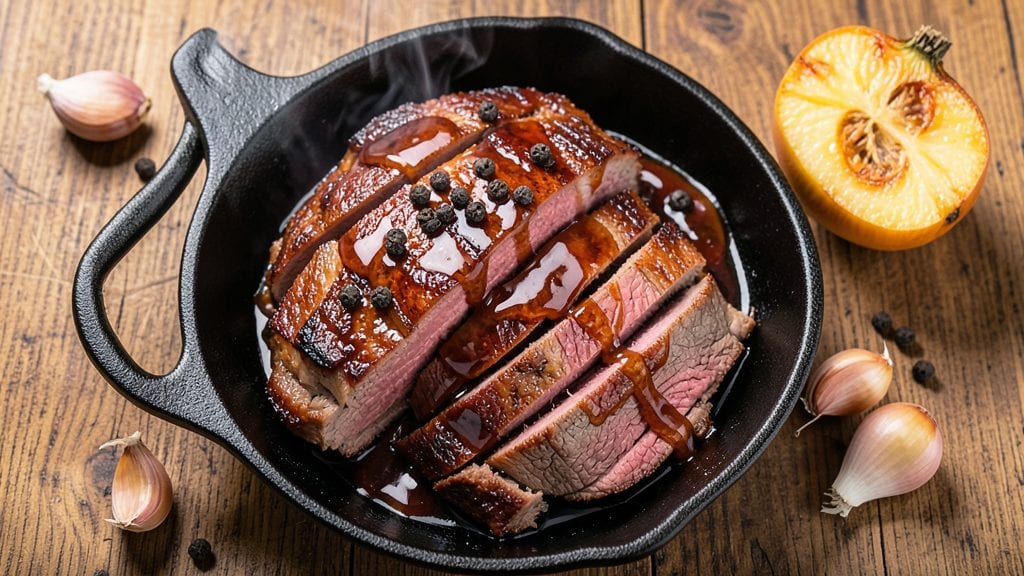
This Dr Pepper beef brisket recipe transforms tough cuts into melt-in-your-mouth perfection through a bold, caramelized glaze that balances smoky depth and sweet tang. The secret lies in using Dr Pepper—not just as a marinade, but as the foundation for a glaze that develops rich, complex flavors during slow cooking.
I discovered this technique after years of experimenting with brisket, and it consistently delivers restaurant-quality results at home.
The process begins with a simple yet effective marinade that tenderizes the meat while infusing it with Dr Pepper’s signature caramel and spice notes.
As the brisket cooks low and slow, the glaze thickens into a glossy, sticky finish that clings to every bite, creating a perfect balance of sweetness and smokiness. This method works equally well in a smoker, slow cooker, or oven, making it adaptable to any kitchen setup.
By the end, you’ll have brisket that’s fork-tender with a deep mahogany crust, paired with a glaze so rich it could be mistaken for a professional pitmaster’s work. The aroma alone will have everyone anticipating dinner, and each slice delivers layers of flavor that keep guests coming back for seconds.
Serve with classic sides like coleslaw or baked beans for a complete meal.
What makes this recipe truly special is how Dr Pepper elevates the brisket beyond traditional barbecue flavors, adding a unique sweetness that caramelizes beautifully. Whether you’re hosting a gathering or simply craving a hearty meal, this method guarantees a brisket that’s impossible to resist.
Let’s get started on creating the perfect centerpiece for your table.
Ingredients for dr pepper beef brisket
Six ingredients transform tough brisket into restaurant-quality perfection with Dr Pepper's signature caramel sweetness.
| Ingredient | Amount | Notes |
|---|---|---|
| Beef Brisket 🥩 | 4 lb | Whole packer cut, fat cap intact |
| Dr Pepper 🥤 | 2 cups | Original flavor, not diet |
| Yellow Onion 🧅 | 1 whole | Large, sliced into wedges |
| Garlic Cloves 🧄 | 8 cloves | Fresh, peeled and smashed |
| Kosher Salt 🧂 | 1 ½ tbsp | Coarse grain preferred |
| Black Peppercorns 🌶️ | 1 tbsp | Freshly cracked |
| Smoked Paprika 🌶️ | 1 tbsp | High quality for smokiness |
| Brown Sugar 🍯 | ½ cup | Packed, light or dark |
| Worcestershire Sauce 🍶 | 2 tbsp | Full-strength preferred |
| Apple Cider Vinegar 🍎 | ¼ cup | For tangy depth |
| Honey 🍯 | ¼ cup | Wildflower preferred |
| Beef Broth 🥫 | 1 cup | Low-sodium preferred |
| Wood Chips 🌳 | 1 package | Hickory or oak preferred |
| Vegetable Oil 🫒 | 2 tbsp | For searing |
The brisket is the star, so choose a packer cut with good fat cap—it keeps the meat moist during slow cooking. Most butchers will trim it for you, but if you're buying whole, look for a piece that's at least 1.5 inches thick. Costco and local meat counters often carry high-quality briskets, but avoid pre-sliced deli cuts. For the Dr Pepper, grab the original flavor—diet versions won't caramelize the same way. The brown sugar should be packed firmly into the measuring cup for accurate sweetness. If you're using a smoker, hickory or oak wood chips complement the Dr Pepper's caramel notes perfectly.
No Dr Pepper? Substitute with 1 cup cola plus 1/2 cup apple cider vinegar—it won't be identical, but close. Running short on Worcestershire? Fish sauce or soy sauce at half the amount works in a pinch. The apple cider vinegar adds tang that balances the sweetness—if you're avoiding vinegar, lemon juice at double the amount is a decent swap. For the wood chips, mesquite works too, but it has a stronger flavor that might overpower the Dr Pepper's caramel notes. The beef broth should be low-sodium to let the other flavors shine—homemade or high-quality store-bought makes all the difference.
This brisket tastes even better the next day as the flavors meld. Store leftovers in the fridge for up to 5 days, tightly wrapped with any remaining glaze spooned over the top. For longer storage, freeze portions for up to 3 months. I like to portion it into individual servings before freezing—just thaw overnight in the fridge. The glaze thickens as it cools, so you can always reheat it with a splash of water or beef broth to loosen it up. The wood chips? Save any unused ones in a sealed container for your next smoking project.
Why You'll Love This Recipe
- Five-Ingredient Magic: The pantry already has what you need—no fancy spice blends or specialty cuts. I’m talking brisket, a can of Dr Pepper, onions, garlic, and salt. That’s it. Honestly, the simplicity makes me feel like a genius when it’s done.
- Soda Caramel Crunch: The Dr Pepper doesn’t just flavor—it caramelizes into this sticky, slightly sweet glaze that clings to every bite. That crispy edge with the tender center? It’s the kind of texture that makes people pause mid-chew and go, “Wait, how’d you do that?”
- Tailgate or Tuesday: Serve it sliced thin on buns for a crowd at a game, or shred it into tacos for a lazy night in. Between us, I’ve even thrown it in sandwiches the next day—no one complains. It’s the ultimate “I don’t care what’s happening” meal.
- Leftovers That Don’t Suck: Most brisket turns dry after day one, but this? It gets better. The Dr Pepper keeps it moist, so I’m pulling out containers for lunches all week. (Yes, even on a Tuesday.) My coworkers still ask for seconds—proof it’s worth the effort.
Step-by-step instructions for smoky-sweet Dr Pepper brisket
Here's the method to achieve tender, fall-apart brisket with a caramelized glaze that balances smoky depth and sweet complexity.
Prepare the Brisket and Dry Rub
Begin by trimming the fat cap of the 4 lb Beef Brisket to about ¼-inch thickness, leaving the fat intact on the edges. Pat the entire surface dry with paper towels—this ensures a better bark later. In a small bowl, combine 1.5 tbsp Kosher Salt, 1 tbsp Black Peppercorns (freshly cracked), and 1 tbsp Smoked Paprika. Rub this mixture evenly over all sides of the brisket, pressing firmly so it adheres. Let it sit at room temperature for 30 minutes while you prepare the smoker.
The dry rub creates a flavorful crust that locks in moisture, while the room-temperature resting ensures even cooking. Don't skip this step—it's what gives the brisket that perfect balance of seasoning and texture.
Build the Dr Pepper Glaze
In a medium saucepan, combine 2 cups Dr Pepper, 0.5 cup Brown Sugar, 2 tbsp Worcestershire Sauce, 0.25 cup Apple Cider Vinegar, 0.25 cup Honey, and 1 cup Beef Broth. Bring to a boil over medium-high heat, then reduce to a simmer and cook for 10 minutes until slightly thickened. Meanwhile, slice 1 whole Yellow Onion into wedges and smash 8 cloves Garlic Cloves with the side of your knife.
This glaze is the heart of the dish—its sweet, tangy, and slightly smoky profile cuts through the richness of the brisket. The reduction process intensifies the flavors, ensuring every bite is packed with depth. Keep the glaze warm while you prepare the smoker.
Smoke the Brisket Low and Slow
Set up your smoker to 225°F using 1 package Wood Chips (hickory or oak preferred). Once the smoker reaches temperature, place the brisket fat-side up on the grill. Smoke for 6 hours, maintaining the temperature between 225-250°F. Avoid opening the smoker during this time—each time you do, you lose heat and extend cook time.
After 6 hours, check the internal temperature using a meat thermometer. It should read 165-170°F, and the brisket should be fork-tender. If it hasn't reached this temperature, continue smoking. This low-and-slow method breaks down the connective tissue, resulting in melt-in-your-mouth tenderness.
Apply the Glaze and Finish
Once the brisket reaches 165-170°F, remove it from the smoker and let it rest for 15 minutes. While it rests, heat 2 tbsp Vegetable Oil in a skillet over medium heat. Add the sliced onion and smashed garlic, cooking for 5 minutes until softened. Pour the reduced Dr Pepper glaze into the skillet and simmer for 3-4 minutes until slightly thickened.
Brush the glaze evenly over the brisket, then return it to the smoker. Smoke for an additional 30-45 minutes, basting with more glaze every 15 minutes, until the glaze caramelizes to a deep amber color. The brisket is done when the internal temperature reaches 203°F and the probe slides in like butter.
Rest and Slice for Maximum Juiciness
Remove the brisket from the smoker and tent loosely with foil. Let it rest for at least 1 hour (or up to 2 hours) before slicing. This resting period allows the juices to redistribute, ensuring every slice is moist and flavorful. Slice the brisket against the grain into ¼-inch thick pieces and serve with the caramelized glaze spooned over the top.
The result is a brisket with a perfect balance of smoky, sweet, and tangy flavors—crispy on the outside, tender on the inside, and packed with depth. Serve with crusty bread or roasted vegetables to soak up every last bit of that delicious glaze.
Pro Tips For Making Dr Pepper Beef Brisket
- Trim the Fat First: Slice off that thick fat cap before cooking—it’s the difference between a brisket that renders down into flavor and one that turns greasy. I learned this the hard way when my first batch ended up swimming in its own fat instead of caramelizing into a glossy crust.
- Use Full-Strength Dr Pepper: Skip the diet or zero versions—real Dr Pepper’s caramel and molasses are what give this dish its signature depth. I was skeptical until I tried it; the difference in richness is noticeable, even if it means an extra stop at the store.
- Char the Onions Slow: Cook those onions on low heat until they’re deep brown, almost black—this adds a smoky backbone to the sauce. Rushing this step means watery, bland onions instead of the rich, jammy texture you want.
- Wrap Early, Unwrap Late: Foil the brisket at 165°F (not 195°F) to lock in moisture, then finish unwrapped to crisp the edges. I used to wait too long, and my brisket ended up dry—this method guarantees tender slices every time.
Dietary considerations for this recipe
Gluten-Free Adaptations
This recipe naturally accommodates gluten-free diets since the primary ingredients—beef, Dr Pepper, and spices—contain no gluten. However, always verify labels on Worcestershire sauce and beef broth for hidden gluten.
I recommend Annie's or Hunt's gluten-free Worcestershire and Pacific Foods gluten-free beef broth. The glaze remains perfectly safe when using certified gluten-free ingredients. 🌾
Low-Carb/Keto Options
For a keto-friendly version, reduce the brown sugar to 2 tbsp and replace the remaining 0.375 cup with erythritol or monk fruit sweetener. The apple cider vinegar and honey can be swapped for lemon juice and sugar-free maple syrup (like Lakanto).
The brisket itself is already keto-compliant, making this an easy adaptation. Just monitor the glaze's sweetness level carefully.
Dairy-Free Considerations
This recipe is naturally dairy-free, but if serving with sides, opt for dairy-free coleslaw (using vegan mayo) and baked beans made with coconut milk or tomato-based broth. The Dr Pepper glaze contains no dairy, so the brisket remains perfectly safe for lactose-intolerant guests.
I often serve it with a side of roasted Brussels sprouts tossed in olive oil and smoked paprika for a hearty, dairy-free meal. 🥦
Allergen-Friendly Swaps
For nut allergies, ensure all ingredients are nut-free (some Worcestershire sauces contain trace amounts). For soy allergies, use a soy-free Worcestershire substitute like Lee Kum Kee Soy-Free Oyster Sauce (diluted with vinegar).
The honey in the glaze can be replaced with agave nectar for vegan diets, though the caramelization won't be identical. Always double-check labels on spices and broths for cross-contamination risks.
Protein-Packed Boost
This brisket is already a protein powerhouse, but for an extra boost, consider adding 1 tsp liquid smoke to the glaze for deeper flavor without extra calories. For a high-protein side, serve with cauliflower mash (made with cottage cheese or Greek yogurt) instead of traditional potato-based dishes.
The brisket's natural fat content provides sustained energy, making it ideal for muscle recovery post-workout. 💪
Sugar-Conscious Adjustments
To reduce sugar content, cut the brown sugar to 0.25 cup and replace the honey with sugar-free vanilla syrup (like Walmart's Great Value brand). The apple cider vinegar adds natural tang without sugar.
For a diabetic-friendly version, use stevia or allulose instead of honey, but taste the glaze frequently—these sweeteners behave differently during caramelization. The result will be less sweet but still flavorful. 🍯
Nutrition facts
Frequently asked questions
Can I use a slow cooker instead of a smoker for this Dr Pepper brisket?
Place the brisket in your slow cooker with the onion and garlic, then pour in 1 cup Dr Pepper and 1 cup beef broth to keep it moist. Cook on low for 8-10 hours until tender. In the last 30 minutes, add the reduced glaze and cook uncovered to thicken. The texture won't be identical to smoked brisket, but it'll still be delicious and tender.
Why does the recipe call for resting the brisket for so long?
The 1-2 hour rest is crucial for redistributing juices that would otherwise pool out when sliced. Brisket cooks at low temperatures, turning collagen into gelatin, which keeps the meat moist. Skipping this step results in dry slices—patience ensures every bite stays juicy and flavorful.
What's the best way to reheat leftover Dr Pepper brisket?
Slice the brisket and reheat in a skillet with a splash of beef broth or the reserved glaze over low heat for 5-10 minutes. Avoid microwaving—it makes the meat tough. For whole pieces, wrap in foil and bake at 300°F for 20 minutes to maintain moisture. The glaze will soften slightly but stay sticky.
Can I make this brisket in an oven instead of a smoker?
Yes! Preheat your oven to 275°F with a water pan on the bottom rack for moisture. Place the brisket on a rack over a baking sheet, then follow the same smoking instructions but check the temperature every 30 minutes. The oven method takes 1-2 hours longer than smoking, but it works well for indoor cooking. Add wood chips to a foil packet and place them near the brisket for smokiness.
How do I know when the brisket is fully cooked?
The brisket is done when the internal temperature reaches 203°F and the probe slides in like butter. The bark should be deep mahogany, and it should pull apart easily with two forks. If it's not tender enough, continue cooking—brisket benefits from extra time. Never rely on color alone, as it can vary.