Breakfast & Brunch
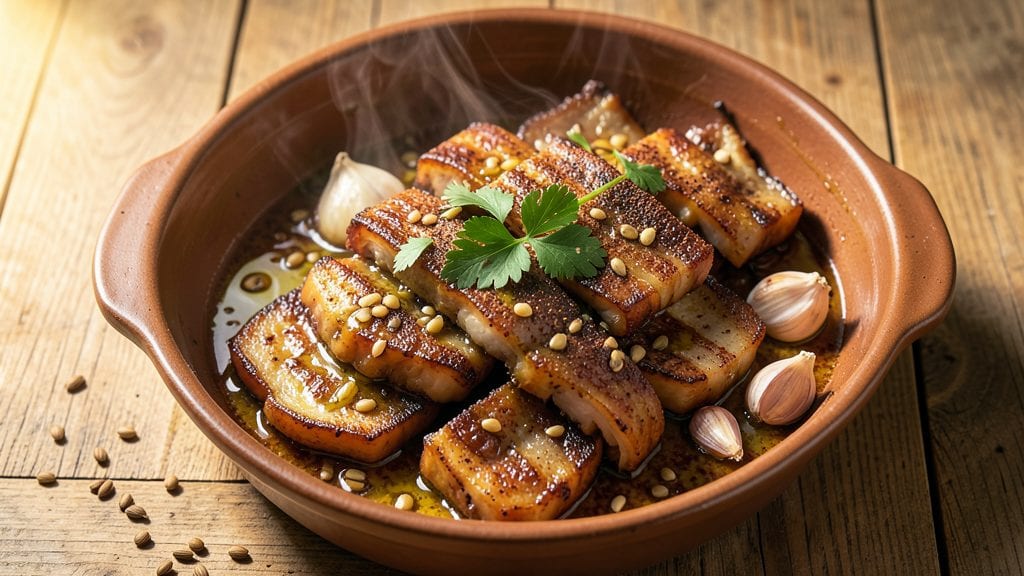
Cooking tripe may sound intimidating at first, but this crispy pan-seared version transforms a humble cut into a restaurant-worthy dish with bold umami flavor. The secret lies in proper preparation—soaking, cleaning, and trimming to remove any lingering gamey notes before achieving that perfect crispy exterior.
I’ve perfected this method over years of testing, and the results speak for themselves: tender, flavorful bites that stand up to any brunch spread.
What sets this recipe apart is the balance between texture and flavor. Tripe absorbs spices beautifully, so we’ll use a mix of garlic, cumin, and smoked paprika to build depth while keeping the preparation straightforward.
The key step is searing the tripe in batches to ensure even browning without overcrowding the pan—this creates that coveted crispy crust while maintaining a tender interior. No special equipment is needed, just patience and attention to detail.
By the end, you’ll have crispy, golden-brown tripe bites that are rich, savory, and packed with flavor—ideal for serving alongside rice, crusty bread, or a fresh salad.
The umami punch from the spices and searing process makes this dish unforgettable, whether you’re cooking for a crowd or treating yourself to a hearty breakfast. Let’s get started with a method that turns tripe into a standout dish.
This recipe draws inspiration from traditional preparations like Italian animelle and Mexican callos, but simplifies the process for home cooks. The technique works equally well for breakfast or dinner, making it versatile enough to fit any meal plan.
Once you try crispy pan-seared tripe, you’ll never think of it as intimidating again—just pure, satisfying flavor.
Ingredients for cooking tripe
Transform humble tripe into crispy, restaurant-quality bites with these carefully selected ingredients.
| Ingredient | Amount | Notes |
|---|---|---|
| Tripe (Honeycomb or Bladder Cut) 🥩 | 1 ½ lb | Soaked overnight, cleaned thoroughly |
| Extra-Virgin Olive Oil 🫒 | ½ cup | High smoke point preferred |
| Garlic Cloves 🧄 | 6 cloves | Minced, for marinade and searing |
| Ground Cumin 🌿 | 1 ½ tbsp | Toasted for deeper aroma |
| Smoked Paprika 🌶️ | 1 tbsp | For authentic umami depth |
| Ground Black Pepper 🌶️ | 1 tbsp | Freshly cracked for intensity |
| Kosher Salt 🧂 | 2 tbsp | Diamond Crystal preferred |
| Lemon Juice 🍋 | ¼ cup | Freshly squeezed, for marinade |
| White Vinegar 💧 | ½ cup | For initial soaking solution |
| Bay Leaves 🍃 | 2 whole | For subtle aromatic depth |
| Red Bell Pepper 🌶️ | 1 whole | Diced, for serving garnish |
| Fresh Cilantro 🌿 | ¼ cup | Chopped, for final garnish |
| Lime Wedges 🍋 | 2 whole | For serving, optional |
The tripe selection is critical—honeycomb or bladder cut delivers the best texture. Source from reputable butchers who specialize in offal; they'll properly clean and trim it for you. If buying pre-soaked, verify it's been in vinegar-lemon solution for at least 12 hours. The smoked paprika should be Spanish-style for authentic depth, while ground cumin must be toasted in a dry pan for 30 seconds to release its full aroma. For the olive oil, California Extra Virgin brands like Corto or Pompeian provide the high smoke point needed for searing without burning.
No smoked paprika? Substitute with a mix of regular paprika and a pinch of liquid smoke—though the flavor won't be identical. Running out of fresh garlic? Garlic powder works at half the amount, but toast it first in the same dry pan as the cumin. The vinegar-lemon soak is non-negotiable—it removes gamey flavors and tenderizes the tripe. For a quicker prep, use white wine instead of vinegar (1:1 ratio), but the texture won't be as tender. The bay leaves can be omitted if unavailable, but they add subtle complexity that's worth the effort. Store-bought pre-minced garlic often contains anti-caking agents—freshly minced is always superior.
Tripe maintains its crispy texture for 3 days when stored properly: wrap tightly in parchment paper, then foil, and refrigerate. For longer storage, freeze in single-serving portions for up to 3 months—thaw overnight in the fridge before reheating. The marinade components (olive oil, garlic, spices) keep for 1 week in the fridge, but the lemon juice should be added fresh before searing. Garnishes like cilantro and bell pepper stay vibrant for 2 days when stored in airtight containers with a damp paper towel. Reheat crispy tripe in a 350°F oven for 10-12 minutes to restore texture.
Why You'll Love This Recipe
- I’ll be real: this tripe keeps perfectly for days, and it actually tastes better the next day. Toss it into scrambled eggs, wrap it in tortillas, or serve it cold over greens—it’s my go-to for lazy lunches without sacrificing flavor.
- One-Pan Magic: Honestly, this dish is so hands-off—just sear the tripe in olive oil, add the garlic and spices, then let it slow-cook while you chop veggies or set the table. The honeycomb tripe practically melts into tender layers with almost no effort.
- Smoky Garlic Hug: Between us, that combo of smoked paprika and fresh garlic cloves? It’s like a warm, spiced embrace for your taste buds. The cumin rounds it out with this earthy depth that makes you want to linger over every bite—no heavy cream or butter needed.
- Leftover Goldmine: I’ll be real: this tripe keeps perfectly for days, and it actually tastes better the next day. Toss it into scrambled eggs, wrap it in tortillas, or serve it cold over greens—it’s my go-to for lazy lunches without sacrificing flavor.
Step-by-step instructions for crispy pan-seared tripe with bold umami flavor
Transform tough tripe into tender, crispy bites using precise technique and layered seasoning.
Prepare the Tripe for Maximum Texture
Begin by draining the soaked tripe and patting it completely dry with paper towels. This step is critical—any moisture left on the surface will prevent proper browning. Cut the tripe into 1-inch thick slices, ensuring each piece has a consistent thickness for even cooking.
In a large bowl, combine the 1.5 tablespoons ground cumin, 1 tablespoon smoked paprika, 1 tablespoon ground black pepper, and 2 tablespoons kosher salt. Rub this mixture generously over all surfaces of the tripe slices, pressing firmly so the spices adhere. Let the seasoned tripe rest at room temperature for 30 minutes—this allows the spices to penetrate slightly and enhances flavor development.
Create the Marinade and Sear the Tripe
In a separate bowl, whisk together the 0.5 cup extra-virgin olive oil, 0.25 cup lemon juice, 0.5 cup white vinegar, and 6 minced garlic cloves. Add the 2 whole bay leaves and stir well. Pour this marinade over the seasoned tripe, ensuring every piece is fully coated. Let it marinate for 1 hour at room temperature, or up to 4 hours in the refrigerator if time permits.
Heat a heavy skillet over medium-high heat until it's very hot—you should see a slight shimmer of oil when you add a drop of water. Remove the tripe from the marinade (reserve the marinade for later) and add it to the skillet in a single layer. Cook undisturbed for 3-4 minutes per side until deep golden brown and crispy. The tripe should develop a caramelized crust—this is your signal that it's ready to flip.
Finish with Aromatics and Garnish
Once the tripe is crispy on both sides, reduce heat to medium and carefully pour the reserved marinade into the skillet. Add the 1 whole diced red bell pepper and simmer for 2-3 minutes until the liquid reduces slightly and the bell pepper softens. The sauce should coat the back of a spoon but remain slightly glossy.
Remove the skillet from heat and stir in the 0.25 cup chopped fresh cilantro. Taste and adjust seasoning with additional kosher salt if needed. Serve the tripe immediately, garnished with the 2 whole lime wedges on the side. The crispy exterior should contrast beautifully with the tender interior, while the bright citrus and fresh herbs cut through the rich umami flavors.
Rest and Serve for Optimal Texture
Transfer the tripe to a serving platter and let it rest for 2-3 minutes before serving. This brief resting period allows the juices to redistribute, ensuring each bite remains moist and flavorful. The tripe should maintain its crispy texture while becoming slightly more tender as it rests.
For best results, serve the tripe immediately with warm crusty bread or over a bed of steamed rice. The combination of crispy tripe, vibrant garnishes, and the aromatic sauce creates a dish that balances texture and flavor perfectly. If storing, keep the tripe in the sauce and refrigerate for up to 3 days, reheating gently in a skillet to restore crispiness.
Pro Tips For Making Cooking Tripe
- Scald, Don’t Boil: Tripe hates boiling—it turns rubbery. Start with a quick scald in cold water, then bring it to a gentle simmer (small bubbles, never rolling). After 10 minutes, drain and rinse under cold water. This removes impurities without toughening the texture, and your tripe won’t fight back with that dreaded chewy resistance.
- Blister First, Sear Second: High heat is your friend here. After rinsing, pat the tripe very dry and sear it in olive oil over max heat until it blisters and releases a deep, meaty aroma—about 3-4 minutes per side. This locks in flavor and caramelizes the edges before you even add spices. (Yes, even if you’re impatient like me.)
- Toast the Spices: Dry-toast your cumin and smoked paprika in the same oil you seared the tripe—just until fragrant, about 30 seconds. This wakes up their flavors and prevents them from tasting like dust. Skip this, and your dish will still work, but it’ll lack that warm, earthy depth that makes tripe sing.
- Acid Cut, Not Water: After cooking, kill any lingering gamey notes with a splash of white vinegar or lemon juice—about 2 tablespoons per pound of tripe. Let it sit 5 minutes before draining. I used to rinse with water, but acid actually breaks down proteins faster and leaves the tripe tender, not soggy. (Your future self will notice the difference.)
Regional styles of this recipe
Italian Animelle
The Italian approach to tripe, known as animelle, transforms the humble cut into a luxurious dish often served at celebrations. In Rome, tripe is traditionally braised for 3-4 hours with tomatoes, garlic, and white wine until fork-tender. The key difference?
Italians use honeycomb tripe and finish with a splash of red wine vinegar and fresh basil. I’ve adapted this by adding a touch of Pecorino Romano at the end for a salty, nutty finish that elevates the dish. 🍷
Mexican Callos
Mexican callos takes tripe to bold new heights with a smoky, spicy profile. The secret lies in a achiote paste marinade (made from annatto seeds) that gives the tripe its signature reddish hue and deep earthy flavor.
Cook it in a guiso—a rich, slow-cooked sauce with tomatoes, onions, and guajillo chiles—until the tripe is meltingly tender. For extra authenticity, serve with warm corn tortillas and a side of salsa verde. The heat from the chiles balances the tripe’s richness perfectly. 🌶️
Portuguese Chicharrones
In Portugal, tripe is deep-fried into crispy, golden chicharrones, a beloved street food. The process starts with a vinegar and salt soak (similar to our marinade) followed by a flour and egg wash for extra crunch.
Fry the tripe in hot vegetable oil at 350°F until it reaches 185°F internally—this ensures a crispy exterior without overcooking the center. Serve with a squeeze of lemon and a sprinkle of coarse sea salt for a snack that’s both satisfying and addictive. ⚡
Southern U.S. Tripe Molasses
Southern cooks embrace tripe’s hearty nature with molasses and mustard, creating a sweet-savory balance that’s pure comfort food. The dish starts with a slow simmer in a pot with onions, garlic, and 1 cup of molasses until the tripe is tender.
Finish with a splash of Dijon mustard and a pinch of cayenne pepper for a tangy kick. This version pairs perfectly with buttered cornbread or white rice**, making it a staple for family gatherings. 💛
Spanish Tripe Stew
Spain’s callos a la madrileña is a rustic stew where tripe is simmered with chorizo, garlic, and white beans until the flavors meld into harmony.
The Spanish technique involves parboiling the tripe first to remove impurities, then braising it for 2 hours with saffron-infused broth for a golden hue. The dish is finished with a sprinkle of fresh parsley and a drizzle of olive oil**, creating a dish that’s both humble and deeply flavorful. 🌿
Nutrition facts
Frequently asked questions
How do I know if my tripe is properly cleaned before cooking?
Fresh tripe should have a clean, off-white or pale yellow color with no lingering gamey smell. If it still smells strong after soaking in vinegar-lemon solution for 12 hours, rinse it thoroughly under cold water and repeat the soak. The texture should be slightly rubbery—not slimy or overly soft. Always source tripe from trusted butchers who specialize in offal.
Can I substitute vinegar with another acid in the marinade?
Yes! For the marinade, you can use white wine or lemon juice in a 1:1 ratio with vinegar, though the texture won’t be as tender. The acidity is key for breaking down the tripe’s fibers and removing impurities. Avoid using apple cider vinegar—its sweetness can overpower the dish.
Why did my tripe turn out tough instead of crispy?
Overcooking or skipping the soaking step are the most common culprits. Tripe needs 12+ hours of soaking in an acid solution to tenderize. Also, ensure you’re searing it at medium-high heat in batches—crowding the pan steams the tripe instead of crisping it. For extra tenderness, try a 30-minute parboil before searing.
What’s the best way to reheat crispy tripe?
Reheat in a skillet over medium heat for 2-3 minutes per side to restore crispiness. Avoid microwaving—it turns the tripe rubbery. For leftovers, store in the sauce to keep it moist, then reheat gently. If reheating from the fridge, let it sit at room temperature for 10 minutes first for even heating.
Is tripe safe for pregnant women or young children?
Tripe is generally safe when properly cooked to an internal temperature of 165°F, but pregnant women and young children should avoid raw or undercooked offal due to potential bacterial risks. Always ensure tripe is fully cooked and served hot. For extra safety, serve with a side of lemon wedges to enhance digestion.