
Soups & Stews
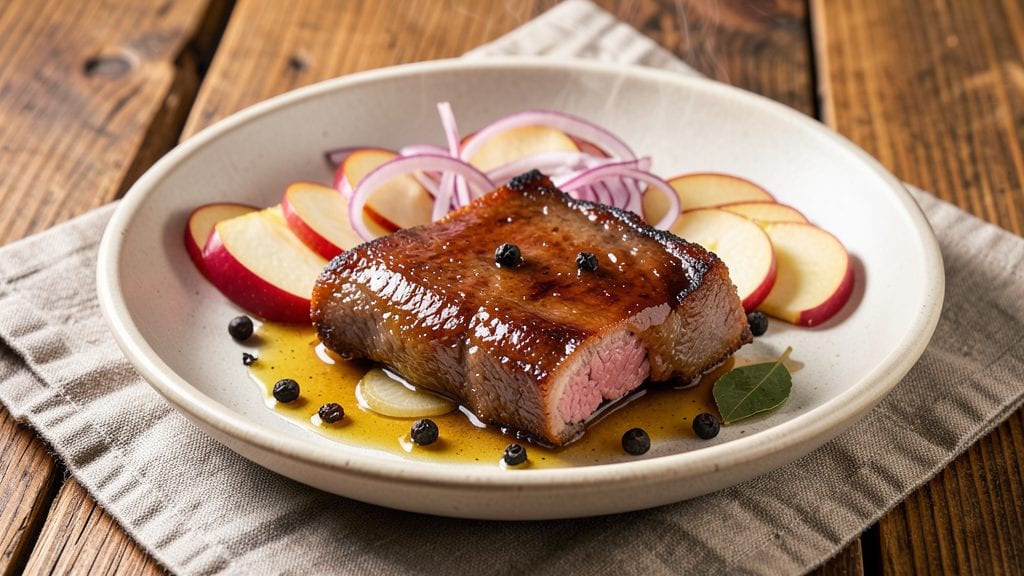
Mastering a boiled beef tongue recipe transforms a humble cut into a luxurious centerpiece with unmatched tenderness and depth of flavor. The process requires patience—soaking, slow simmering, and careful seasoning—but the result is a dish that feels like a restaurant chef’s secret.
I’ve perfected this method after years of testing, ensuring the tongue becomes silky smooth with a rich umami profile that lingers long after the last bite.
The key to success lies in the preparation: a thorough soak to remove impurities, followed by a gentle boil that preserves moisture without toughening the meat. This isn’t just a technique; it’s an art that rewards precision.
The right water-to-meat ratio, proper seasoning, and controlled heat are non-negotiable for achieving that velvety texture and deep, savory flavor that defines a well-executed boiled tongue.
Once cooked to perfection, the possibilities are endless—slice it thin for sandwiches, shred it into tacos, or serve it whole with a tangy accompaniment. The transformation from raw to silky smooth is nothing short of remarkable, and the versatility makes it a standout dish for any occasion.
Whether you’re preparing a special dinner or exploring new flavors, this recipe delivers professional-quality results with minimal fuss.
Ready to elevate your cooking repertoire? The steps are straightforward, but the payoff is extraordinary. Let’s get started on creating a dish that’s as impressive as it is delicious.
Ingredients for boiled beef tongue
Transform humble beef tongue into a luxurious centerpiece with these carefully selected ingredients.
| Ingredient | Amount | Notes |
|---|---|---|
| Beef Tongue 🥩 | 2 lb | Whole, fresh, cleaned thoroughly |
| Bay Leaves 🌿 | 2 whole | Dried, high-quality preferred |
| Black Peppercorns 🌶️ | 1 tbsp | Whole, freshly cracked |
| Garlic Cloves 🧄 | 6 cloves | Peeled, smashed lightly |
| Onion 🧅 | 1 whole | Yellow, peeled, halved |
| Apple Cider Vinegar 🍎 | ½ cup | Unfiltered, for soaking |
| Kosher Salt 🧂 | 1 cup | Diamond Crystal preferred |
| Fresh Thyme 🌿 | ¼ cup | Stems removed, chopped |
| Water 💧 | 8 cups | Filtered, for boiling |
| Baking Soda 🧴 | 1 tbsp | Alkaline for tenderness |
| Olive Oil 🫒 | 2 tbsp | Extra-virgin, for finishing |
| Lemon Juice 🍋 | 1 tbsp | Freshly squeezed, for brightness |
The beef tongue is the star, so source it from a reputable butcher or specialty market. Look for a vibrant, deep red color and firm texture—avoid any with a strong odor or discoloration. A 2-pound whole tongue yields enough for four servings with generous leftovers. The apple cider vinegar and kosher salt are critical for the soak; Diamond Crystal salt dissolves more easily than table salt. For the fresh thyme, Heirloom or organic varieties from a farmers market offer superior flavor. Prep the tongue by rinsing it thoroughly under cold water, then soak it overnight in the vinegar and salt mixture to tenderize.
Substitutions are limited for this recipe due to its delicate balance, but a few swaps work well. White vinegar can replace apple cider vinegar, though it may slightly alter the flavor profile. If fresh thyme is unavailable, dried thyme at one-third the amount suffices, but the aroma won’t be as vibrant. For the water, filtered or spring water is ideal—avoid tap water with strong chlorine or mineral content, which can affect texture. The baking soda is non-negotiable; it raises the pH of the water, breaking down collagen for that signature silky texture. If you’re short on time, a 24-hour soak still yields impressive results, though 48 hours is optimal.
Store any uncooked tongue in the coldest part of your fridge, submerged in its soaking liquid, for up to 5 days. Once cooked, the tongue keeps for 4-5 days refrigerated or 3 months frozen in an airtight container. For serving, slice thinly against the grain for sandwiches or shred finely for tacos. The leftovers reheat beautifully—simmer in a little broth or water until warmed through. Portion into single servings before freezing to simplify reheating later.
Why You'll Love This Recipe
- Umami Bomb: Between the rich, gelatinous texture and that deep, savory flavor from the garlic and peppercorns simmering into the meat, this isn’t just food—it’s a flavor experience. The tongue soaks up the aromatics like a sponge, giving you that perfect balance of herby, garlicky goodness in every bite.
- Leftovers That Shine: Honestly, I always make this on Sunday because the leftovers are that good. Cold slices in sandwiches? Check. Chopped up in salads? Even better. The texture holds up, and the flavor only gets better as it sits. It’s my go-to for quick lunches all week.
- Budget Meal for Crowds: A single beef tongue feeds four people easily, and the ingredients? Super affordable. Onion, garlic, and spices cost pennies, and you’re left with a dish that feels special without breaking the bank. Plus, it’s one of those meals where you’ll have seconds and still feel satisfied.
Step-by-step instructions for boiled beef tongue with rich umami depth
Mastering this technique transforms tough beef tongue into silky, melt-in-your-mouth perfection.
Prepare the Beef Tongue for Maximum Tenderness
Begin by thoroughly cleaning the 2 lb beef tongue under cold running water, removing any remaining connective tissue or membrane from the surface. This step ensures clean flavor and proper texture. Place the tongue in a large stockpot and cover it completely with cold water—at least 8 cups, though you may need slightly more to fully submerge it. Add the 1 cup kosher salt and 1 tbsp baking soda, then let it soak for 30 minutes. This alkaline solution breaks down collagen and tenderizes the meat, creating that signature velvety texture.
The baking soda is crucial—it raises the pH level of the meat, which helps dissolve tough proteins. Don't skip this step, even if the recipe seems simple. After soaking, drain the water and rinse the tongue thoroughly under cold water to remove any residual baking soda, which can leave a bitter aftertaste if not rinsed completely.
Build the Aromatic Base for Deep Flavor
In the same stockpot, add the 1 whole yellow onion (halved), 6 cloves garlic (smashed lightly), 1 tbsp black peppercorns, 2 whole bay leaves, and 0.25 cup fresh thyme. Pour in the 0.5 cup apple cider vinegar, which adds acidity that helps tenderize the meat further and balances the richness. Cover with fresh cold water—again, ensuring the tongue is fully submerged—and bring to a boil over high heat.
The vinegar also helps dissolve any remaining surface proteins, creating a clearer broth. Once boiling, reduce heat to maintain a gentle simmer. This controlled temperature is essential—boiling too vigorously can cause the tongue to toughen at the surface. Skim off any foam or impurities that rise to the surface during the first 10 minutes of simmering to ensure a clean, clear final broth.
Simmer Until Fork-Tender Perfection
Simmer the tongue for 3 to 3.5 hours, maintaining a gentle, rolling boil that doesn't exceed 180°F on the surface. Check the internal temperature periodically with a meat thermometer—it should reach 195-200°F when fully tender. The tongue will shrink significantly as it cooks, so don't be alarmed by its reduced size. This prolonged cooking time is what transforms the tough muscle into melt-in-your-mouth texture.
During the last 30 minutes of cooking, add the 2 tbsp olive oil to the pot. This step creates a silky sheen on the tongue's surface and adds richness to the broth. The oil also helps prevent the meat from drying out during the final stages. When the tongue reaches the proper internal temperature, remove it from the broth and let it rest for 15 minutes before serving.
Finish and Serve with Brightness
While the tongue rests, strain the cooking liquid and return it to the pot. Stir in the 1 tbsp freshly squeezed lemon juice, which brightens the flavors and cuts through the richness. The acidity also helps emulsify the fat in the broth, creating a glossy finish. Taste and adjust seasoning with additional salt if needed—though the tongue should already be perfectly seasoned from the initial soak.
To serve, slice the rested tongue into ½-inch thick medallions. Ladle the strained broth over the top and drizzle with the remaining olive oil for extra richness. The tongue should be so tender it practically melts in your mouth, with a clean, umami-packed flavor profile. Serve immediately with crusty bread to soak up the luxurious broth or alongside roasted vegetables for a complete meal.
Pro Tips For Making Boiled Beef Tongue
- PEEL THAT ONION RIGHT: Don’t just chop the onion—blanch it whole in boiling water for 2 minutes first. The skins slide off like magic, and you avoid the bitter, stringy bits that sneak into your broth. (Yes, even if you’re in a hurry. It takes 30 seconds and saves you from chewing onion skins later.)
- DON’T SKIP THE GARLIC SMASH: Crush your garlic cloves with the flat side of your knife before adding them—no peeling needed. This releases more flavor into the broth, and the cloves won’t turn to mush and disappear. (I used to peel them first, and half the time, they’d vanish into the pot like they owed someone money.)
- TEST DONENESS WITH THE TOOTHPICK: The tongue should slide off the bone with minimal resistance when you poke it with a toothpick—no wrestling required. If it’s still fighting you after 2.5–3 hours, it’s not done. (I once pulled a tongue at 2 hours because it looked tender, only to find it rubbery. Lesson: trust the toothpick, not your eyes.)
Perfect pairings for these flavors
Classic Sandwich Style
Slice the boiled tongue into ¼-inch thick medallions and layer them on crusty sourdough or rye bread with tangy Dijon mustard and sharp cheddar cheese. I love adding a smear of spicy brown mustard and thinly sliced pickles for acidity.
Toast the sandwich in a cast-iron skillet until the cheese melts and the bread crisps. Serve with a side of creamy potato salad to balance the richness. 🥪
Taco or Tostada Topping
Shred the cooked tongue finely and use it as a protein base for Mexican-style tacos. Warm corn tortillas and top with the shredded tongue, diced avocado, pickled red onions, and a drizzle of crema.
For extra flavor, toss the shredded tongue with 1 tsp chili powder and ½ tsp ground cumin before serving. This fusion twist highlights the tongue’s natural umami with bold Latin flavors. 🌶️
Broth-Based Soups
Use the rich cooking broth as a base for a hearty soup. Strain the broth, then simmer it with diced carrots, celery, and onion for 20 minutes to build depth. Add 1 cup cooked lentils or diced potatoes for heartiness.
Top each bowl with a slice of boiled tongue and a sprinkle of fresh parsley. The broth’s umami pairs beautifully with the earthy flavors of root vegetables. 🥘
Pickled or Chilled Appetizer
For a refreshing twist, slice the cooked tongue thinly and marinate it in a pickling brine of ½ cup apple cider vinegar, 1 tbsp sugar, and 1 tsp black peppercorns for 2-3 hours.
Serve chilled on a platter with toasted baguette slices and a side of whipped horseradish cream. This preparation highlights the tongue’s texture while adding a bright, tangy contrast. 🍽️
Grilled or Smoked Finishing Touch
For a smoky depth, slice the boiled tongue into ½-inch medallions and grill or smoke them over indirect heat for 5-7 minutes per side until caramelized. Brush with garlic butter before serving.
Pair with grilled asparagus and a red wine reduction to elevate the dish to restaurant-quality. The smoky char complements the tongue’s natural richness perfectly. 🔥
Beverage Pairings
Balance the tongue’s richness with a dry red wine like Cabernet Sauvignon or Malbec, which stands up to the umami flavors. For a non-alcoholic option, serve with sparkling apple cider or a ginger beer to cut through the richness.
The effervescence cleanses the palate, making each bite more enjoyable. 🍷
Nutrition facts
Frequently asked questions
Why does beef tongue need such a long cooking time?
Beef tongue contains dense connective tissue that requires 3-3.5 hours of slow simmering to break down into silky smoothness. The baking soda and vinegar in the recipe raise the pH and acidity, which helps dissolve collagen faster than traditional cooking methods. Patience pays off with that melt-in-your-mouth texture!
Can I use frozen beef tongue for this recipe?
Yes, but thaw it completely in the refrigerator first—never at room temperature. Place the frozen tongue in a sealed bag and submerge it in cold water for 6-8 hours or overnight. The soaking process will still work, though you may need an extra 30-60 minutes of simmering time to reach full tenderness.
What if my boiled tongue tastes bitter?
Bitter flavor usually means residual baking soda wasn't rinsed properly or the vinegar overpowered the meat. After the initial 30-minute soak, rinse the tongue thoroughly under cold water for 2 minutes to remove all traces. If using vinegar, reduce to ¼ cup and add lemon juice at the end to brighten flavors. Taste the broth before serving—if it's too acidic, dilute with a splash of water.
How do I know when the tongue is fully cooked?
The tongue is done when it reaches an internal temperature of 195-200°F and pierces easily with a fork. It will also shrink significantly—about 50% smaller than the raw size. The broth should be clear with minimal foam, and the meat should pull away cleanly from the bone. If unsure, err on the side of 10 extra minutes of cooking.
Can I make this recipe in a slow cooker?
Follow the same soaking steps, then transfer everything to a 6-quart slow cooker on low for 8-10 hours. Add 1 cup water if needed to keep the tongue submerged. The slow cooker's gentle heat prevents toughening, and you'll end up with even more tender results. Just reduce the olive oil to 1 tbsp and add it during the last 30 minutes of cooking.