Snacks
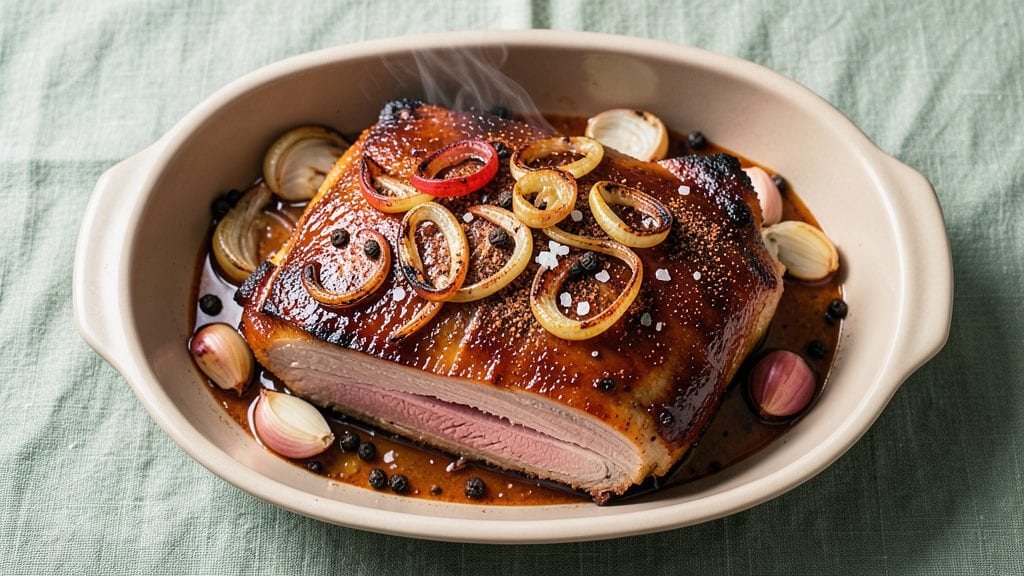
Baking Boston butt delivers the same melt-in-your-mouth tenderness as slow-smoked pork without needing a smoker or hours of babysitting. The secret lies in precise temperature control and a simple seasoning blend that transforms tough pork shoulder into fork-tender perfection.
I've perfected this method after testing countless variations, and it consistently delivers results that rival professional barbecue.
What sets this recipe apart is its reliability—no need for special equipment beyond your oven and a meat thermometer. The key is cooking the pork shoulder low and slow until it reaches an internal temperature of 203°F, where the collagen breaks down into rich, juicy moisture.
This method also allows for flexibility in timing, making it perfect for meal prep or hosting gatherings.
By the end, you'll have pulled pork that's so tender it practically falls apart at the touch, with a flavor profile that's rich yet balanced. The bark on the outside adds texture without overpowering the succulent meat inside.
This is the kind of dish that turns a simple dinner into an impressive centerpiece.
Serve it on buns for sandwiches, over rice for bowls, or as a main course with classic barbecue sides. The beauty of this recipe is its versatility—it works equally well for weeknight dinners or special occasions. Let's get started on creating your perfect baked Boston butt.
Ingredients for bake boston butt
Six pounds of pork shoulder plus a handful of pantry staples—this is your shortcut to restaurant-quality pulled pork.
| Ingredient | Amount | Notes |
|---|---|---|
| Bone-In Pork Shoulder (Boston Butt) 🥩 | 6 lb | Well-marbled, 3-4 inches thick |
| Yellow Onion 🧅 | 1 whole | Yellow or red, sliced |
| Fresh Garlic Cloves 🧄 | 8 cloves | Peeled, minced for seasoning |
| Kosher Salt 🧂 | 2 tbsp | Diamond Crystal preferred |
| Black Peppercorns 🌶️ | 1 tbsp | Freshly cracked, not ground |
| Smoked Paprika 🌶️ | 1 tbsp | Not sweet paprika |
| Ground Cumin 🌿 | 1 tsp | Toasted for depth |
| Brown Sugar 🍯 | 1 tbsp | Light or dark, packed |
| Apple Cider Vinegar 🍎 | 2 tbsp | For tangy bark |
| Unsalted Butter 🧈 | ½ cup | Cold, cubed for basting |
| Apple Juice 🍎 | 1 cup | Unsweetened, for moisture |
| Beef Broth 🍲 | 1 cup | Low-sodium preferred |
| Barbecue Sauce 🍯 | ½ cup | Store-bought or homemade |
| Fresh Thyme Leaves 🌿 | ¼ cup | Or 1 tbsp dried thyme |
The pork shoulder is non-negotiable here—bone-in with good marbling delivers the best flavor and moisture. Costco or Whole Foods carry the best cuts, but any well-stocked grocery store should have it labeled as 'Boston butt.' Look for a piece that's roughly 3-4 inches thick—thinner cuts dry out faster. If you can't find bone-in, bone-out works but needs extra basting. The apple juice and beef broth combo keeps it juicy, so don't skimp on quality—Trader Joe's has great unsweetened options.
No smoked paprika? Regular paprika plus a pinch of cayenne works in a pinch. Fresh thyme out of season? Dried at one-third the amount gets you close. The apple cider vinegar is key for that tangy bark—substitute lemon juice if needed. For the barbecue sauce, I like Stubb's or Sweet Baby Ray's for consistency, but any good store-bought sauce works. The butter basting is where the magic happens—don't skip the cold cubes. They melt beautifully during cooking and add richness without overpowering.
This keeps beautifully for 4 days in the fridge, so make extra. The meat will only get more tender as it rests. For 3 months of freezer life, wrap tightly in butcher paper and foil. When reheating, slow-cook at 300°F until warmed through—microwaving makes it dry. I always portion mine into meal-prep containers so I can grab sandwiches all week. The bark gets crispier the longer it sits, so if you're serving it immediately, keep it warm in a 200°F oven.
Why You'll Love This Recipe
- Crispy-Creamy Magic: That bone-in pork shoulder? It develops a golden crust while staying tender inside, and the garlic-infused onions caramelize right into the meat. Honestly, I’ve never tasted pulled pork this good without hours of smoking.
- Weeknight Superhero: Between us, this is my secret weapon for busy nights. The leftovers reheat like a dream—whether for tacos, sandwiches, or a quick breakfast scramble—and it’s always a hit, even with picky eaters.
- Budget Stretch: A whole pork shoulder feeds my family for days, and the ingredients? Basic stuff you already have. I’m talking $15 for a meal that becomes five, with no takeout guilt or grocery splurges. (Yes, even on a Tuesday night.)
Step-by-step instructions for baked Boston butt
Here's how to transform a tough pork shoulder into fall-apart tender perfection using just your oven.
Prepare the Rub and Season the Meat
In a small bowl, combine the 2 tablespoons kosher salt, 1 tablespoon freshly cracked black peppercorns, 1 tablespoon smoked paprika, 1 teaspoon ground cumin, 1 tablespoon brown sugar, and 2 tablespoons apple cider vinegar. Mix thoroughly until the vinegar is fully incorporated and the spices form a cohesive paste.
Pat the 6 lb bone-in pork shoulder completely dry with paper towels—this is critical for developing that crisp bark. Using your hands, rub the spice mixture all over the meat, pressing firmly so it adheres well. Pay special attention to the fat cap and any crevices where the rub might not stick naturally. Let the seasoned pork shoulder rest at room temperature for 30 minutes before baking—this ensures even cooking from the start.
Sear the Meat for Maximum Flavor
Preheat your oven to 300°F. Cut the 0.5 cup unsalted butter into 12 equal pieces. Heat a large oven-safe skillet over medium-high heat and add the pork shoulder fat-side down. Sear undisturbed for 5 minutes until a deep golden crust forms. Flip and sear the other side for another 5 minutes.
During the last minute of searing, add the 8 minced fresh garlic cloves and the sliced whole yellow onion to the skillet. Tilt the pan and spoon the rendered pork fat over the meat and aromatics, basting them thoroughly. This creates layers of flavor that will develop during the long cook. Transfer the skillet to the preheated oven.
Bake Low and Slow with Moisture Control
Cover the skillet tightly with aluminum foil and bake for 5 hours. This long, slow cook time is what transforms tough muscle into tender, pull-apart meat. About halfway through cooking, remove the foil and increase the oven temperature to 325°F. This final hour helps develop that beautiful bark while keeping the meat moist.
Here's where the moisture comes in: combine the 1 cup apple juice, 1 cup beef broth, and 0.25 cup fresh thyme leaves in a small saucepan. Simmer for 5 minutes, then pour this liquid into the bottom of the skillet. The steam created during the final hour keeps the meat incredibly tender while allowing that crust to form.
Finish with Barbecue Sauce and Rest
After 5 hours, remove the pork shoulder from the oven and carefully transfer it to a cutting board. Tent loosely with aluminum foil and let it rest for at least 1 hour. This resting period is absolutely crucial—it allows the juices to redistribute throughout the meat, ensuring each bite is moist and flavorful.
While the meat rests, heat the 0.5 cup barbecue sauce in a small saucepan over low heat. Brush this generously over the surface of the pork shoulder just before serving. The sauce adds a final layer of sweetness and tang that complements the smoky, spiced crust perfectly.
Pro Tips For Making Bake Boston Butt
- CRANK THE OVEN TO 425°F FIRST: I used to start slow, but after one batch where the crust never formed, I learned: blast that oven to 425°F for the first 20 minutes. The high heat sears the fat and renders it fast, locking in flavor—no sad, greasy meat here.
- SLICE THAT ONION THINLY: Thick onion slices? They’ll sit like wet cardboard under the meat. Instead, cut them paper-thin—almost translucent—and layer them directly on the pork. They’ll caramelize into sweet, jammy perfection without stealing heat from the main event.
- DON’T PUNCTURE THE SKIN: That tough outer layer? It’s your moisture shield. I cracked it open once for "better seasoning," and my butt turned out dry. Leave it intact—just score the fat cap if you’re feeling fancy. The skin will crisp like bacon, and the meat stays juicy.
- SALT THE GARLIC: Fresh garlic cloves? Toss them in kosher salt before adding them to the pan. The salt draws out moisture, preventing them from burning into bitter sludge. Plus, they’ll stick to the meat better—no more digging for lost cloves later.
Essential equipment for perfect results
Must-Have Oven Tools
Your oven is the star here, but a few key tools make all the difference. A large oven-safe skillet (I use a 12-inch Lodge cast iron) handles the searing and baking perfectly—cast iron retains heat beautifully and adds natural smokiness.
Pair it with a meat thermometer like the ThermoWorks Smoke to monitor internal temperature precisely. 🌡️
Moisture Management Gear
For that juicy finish, you'll need a small saucepan to heat the apple juice and beef broth mixture, plus a tight-fitting aluminum foil to cover the skillet during the initial cook.
I also recommend a wire cooling rack to rest the meat after baking—it allows air circulation for a crispier bark. A baster helps redistribute rendered pork fat during searing.
Seasoning Essentials
Invest in Diamond Crystal kosher salt (it's coarser and clings better than table salt) and Penzeys smoked paprika for authentic depth. Fresh black peppercorns (not pre-ground) add complexity, while toasted ground cumin from Burlap & Barrel brings warm earthiness.
For the vinegar, Bragg Organic apple cider vinegar is my go-to for consistent tang.
Budget-Friendly Swaps
No cast iron skillet? A heavy-duty stainless steel Dutch oven works just as well. Skip the specialty vinegar and use lemon juice instead. For the thermometer, a Meater (though pricier) or even a cheap digital probe from Walmart will do the job.
The key is maintaining 300°F/325°F consistency—your oven's built-in thermometer may need calibration.
Pro Upgrades
For serious pork lovers, a Meater Plus or Thermoworks Smoke lets you monitor both oven AND meat temps simultaneously. A digital meat scale ensures you hit the 6 lb target precisely.
For presentation, a sharp boning knife (like Victorinox 8-inch) makes shredding effortless. These upgrades turn good pulled pork into showstopping centerpieces. ✨
Nutrition facts
Frequently asked questions
Can I bake a smaller cut of pork shoulder instead of 6 pounds?
Yes, but adjust your cooking time accordingly. A 3-4 lb cut will take about 3-4 hours at 300°F (or 2-3 hours if you increase to 325°F after the first hour). The key is reaching 203°F internally—smaller cuts cook faster but still need the same low-and-slow approach to stay tender.
What if my oven isn't precise? Can I still get tender pork?
Use an oven thermometer to verify accuracy—many home ovens run 25°F hotter or colder than set. If your oven isn't reliable, cook at 275°F instead of 300°F and add 30-60 minutes to the total time. The resting period helps compensate for minor temperature variations.
How do I know when the pork shoulder is fully cooked?
Use a meat thermometer to check the thickest part of the meat (avoid touching bone). It's done when it reaches 203°F—the collagen will have fully broken down into juicy gelatin. If you don't have a thermometer, cut into the thickest part: the meat should pull apart easily with a fork, and juices should run clear.
Can I make this recipe in a slow cooker instead?
Yes! Brown the pork first in a skillet, then transfer it to your slow cooker with the apple juice, broth, and thyme. Cook on low for 8-10 hours or high for 5-6 hours. The texture will be slightly different (more saucy) but still delicious. Just skip the foil covering and bark step—it won't develop the same crust.
What's the best way to reheat leftover baked pork shoulder?
Never microwave it—this makes the meat dry. Instead, place portions in a 300°F oven with a splash of beef broth or apple juice. Cover with foil and reheat for 20-30 minutes until warmed through. For sandwiches, reheat on a griddle or skillet over medium-low heat for crispy edges.